Hey there, fellow farmers, barn managers, and anyone stuck trying to keep a barn from feeling like a frozen ice box in winter or a sweaty sauna in summer – let’s talk about a question I get all the time as an insulation board supplier: can insulation boards actually work in barns? Spoiler alert: yeah, they can – but only if you’re picking the right ones, and skipping the cheap stuff that’ll fall apart after one bad barn storm or a curious goat chewing on it. Let me break this down like I’m chatting over a coffee at the local feed store, no stuffy jargon, just what I’ve seen work (and fail) over the years. Insulation Board
First off, why do barns even need insulation anyway? I know, I know – barns are supposed to be sturdy, open, built to hold animals, feed, and tools. But let’s be real: a 20-degree winter night in the Midwest with drafty walls isn’t just uncomfortable for your cows or horses – it can make them sick, raise their feed needs (they burn calories just to stay warm), and even freeze water lines or damage stored hay that needs to stay dry. In summer, a stuffy barn can make animals heat stressed, which is a huge deal for milk production or work animals. And let’s not forget your own comfort if you’re spending hours mucking out or fixing fences – no one wants to do that in a barn that’s 90 degrees in July.
Now, the big question: insulation boards vs. the fiberglass batts everyone’s used to seeing. Wait, hold up – I know some of you are thinking “fiberglass is cheap, why mess with boards?” Let me tell you, I’ve seen fiberglass batts get ruined in a barn in 12 months flat. One stray nail puncturing a wall, a leaky roof, or even a mouse nest chewed through them, and they’re soaked, moldy, and useless. Insulation boards? They’re rigid, dense, and most of the good ones are moisture-resistant to boot. That’s a game-changer for barns, which are way more humid and prone to small leaks than your average suburban house.
But here’s the catch – not all insulation boards are created equal for barns. I can’t just show up to a farm with any old board and say “this’ll work.” Let’s walk through the types I actually recommend, because I’ve tested (and sold) every major kind for barn jobs over the last 10 years.
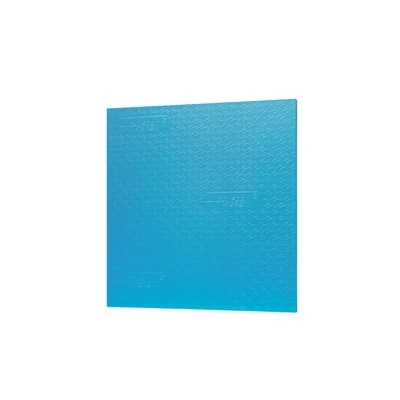
First up: extruded polystyrene (XPS) boards. These are the blue or pink ones you’ve probably seen under house foundations, and they’re perfect for barns for a few reasons. They’re waterproof – I mean, literally, you can spray them with a hose all day and they won’t absorb any moisture. That’s huge if you’re insulating the foundation walls or the lower parts of the barn, where splashing water from mucking or rain runoff is common. They also have a high R-value per inch, so you get good insulation without having to build super thick walls. The downside? Some XPS boards give off a little chemical smell at first, but if you let them air out for a week before installing, that fades, and it’s totally safe for animals – I’ve had customers put them right next to a calf pen with no issues. Just make sure you get the “FOAMULAR” type (wait, no, don’t brand drop – just ask for the closed-cell XPS rated for below-ground use) – the cheap generic stuff is more likely to get brittle over time.
Next, expanded polystyrene (EPS) boards. These are the white, crumbly-looking ones, and they’re a great budget pick for areas that don’t get a lot of direct water, like upper wall sections or the attic of a barn. They’re not as waterproof as XPS, but they’re way cheaper, and still way more durable than fiberglass. The key here is to make sure you get the fire-resistant version. Barns have hay, electrical wires for lights or milking machines, so fire safety is non-negotiable. I can’t tell you how many times a customer skipped the fire-rated EPS and regretted it when a small wiring spark turned into a scare.
Then there’s polyisocyanurate (polyiso) boards. These are the rigid ones with the foil facing on both sides, super high R-value – like, way higher per inch than XPS or EPS. That’s perfect if you have limited wall space; if your barn walls are only a foot thick, polyiso can give you the same insulation as a 2-inch XPS in 1.5 inches, so you don’t lose space for feed bins or animal stalls. The foil facing is also a moisture barrier, which adds an extra layer of protection. The only downside? They’re a bit pricier than EPS, but for small barns or tight spaces, it’s worth every penny.
Wait, but what about the big myth that insulation boards trap moisture in barn walls? I hear that all the time – “barns need to breathe, rigid insulation will make mold grow!” Let’s set that straight. The only time insulation traps moisture is if you install it wrong, or pick the wrong type. If you use a vapor barrier correctly (on the warm side of the wall, which for most barns is the inside, since you want to keep the heat in in winter), and pick a board that has some permeability if you’re using EPS, that moisture will escape. I’ve had customers test their walls 2 years after installing insulation boards – no mold, no condensation, just steady temperatures. The mistake people make is using a vapor barrier on both sides, which locks moisture in. Just follow the basic rules: vapor barrier on the inside (where the warm air is coming from), air seal all gaps around windows, doors, and nail holes, and you’re good.
Now, let’s talk about installing these – because even the best insulation boards are useless if you mess up the install. First, measure twice, cut once. Barn walls aren’t perfectly straight, so don’t just wing it – take time to measure each section, and use a utility knife or a saw to cut the boards to fit. Leave a tiny gap (like a quarter inch) at the bottom if you’re installing on lower walls, to let any accidental moisture drain out. Don’t just nail them up – use construction adhesive too, so they don’t shift around when a horse bumps the wall or a strong wind hits the barn. And seal all the seams between boards with foil tape or spray foam, because air leaks are the biggest enemy of insulation. A gap the size of a quarter is like leaving a window open all winter – no amount of good insulation will fix that.
Another big question: are insulation boards safe for animals? Let’s get this out of the way. I’ve had dairy farmers with 50+ cows ask me this, and I always say – as long as you use the right kind, yes. XPS and EPS are non-toxic, polyiso is too. The only time you have to worry is if the board is chewed on a lot by curious animals. Mice or goats might nibble at it, but if you cover the lower 2 feet of wall with metal sheeting (which you should do anyway to protect insulation from bumps and chewing), they won’t get to it. I always tell customers: always add a little metal trim or sheeting along the bottom 24 inches of any wall with insulation boards – it’s cheap, it protects the insulation, and it lasts forever.
Wait, what about roofs? Can you use insulation boards in barn roofs? Absolutely, especially for pole barns, which are super common these days. The roof is where a lot of heat escapes in winter, so insulating it makes a huge difference. For pole barn roofs, I recommend polyiso boards with the foil facing – you can install them between the rafters, and the foil facing acts as a radiant barrier too, which reflects heat in summer and keeps the barn cooler. Just make sure you leave a gap between the insulation board and the metal roof for airflow, so moisture doesn’t get trapped. I’ve seen pole barns go from 10 degrees inside in winter with no insulation to 45 degrees after installing polyiso boards – that’s a night and day difference for livestock.
Now, let’s talk about cost, because I know that’s a big factor for most small farmers. EPS is about $0.50 to $1 per square foot, XPS is $1 to $2, polyiso is $2 to $3. That’s way more than fiberglass batts, but when you calculate the savings on feed, water lines not freezing, and less time fixing temperature-related issues, it pays for itself in 1 or 2 years. A lot of my customers tell me their heating bills (even for natural gas or propane) dropped by 30-40% after installing insulation boards. For a 1,000 square foot barn, that’s a difference of hundreds of dollars a year – that’s new tools or hay, right there.
I also want to mention some common mistakes I see people make, so you don’t have to learn the hard way. First, don’t buy the cheapest generic insulation boards from a big box store. A lot of the cheap ones are not fire-rated, or they absorb moisture even when they’re supposed to be waterproof. Stick to reputable brands that are made specifically for construction, not the random stuff that’s meant for packing or something. Second, don’t skip air sealing. I can’t stress that enough – even the best insulation will be worthless if air is leaking through gaps. Third, don’t install insulation boards on the outside of the barn walls unless you know what you’re doing. If you’re insulating the exterior, make sure you have proper flashing and a way for moisture to escape, otherwise you’ll end up with rotting wood. If you’re new to this, install on the inside – it’s way simpler for most barns.
At the end of the day, insulation boards aren’t just a fancy upgrade – they’re a practical, long-term solution for making your barn a better, healthier place for your animals and a better place for you to work. I’ve been in this industry for over a decade, and I’ve seen barns that used to be unlivable for half the year turn into comfortable, efficient spaces all because they added the right insulation boards.
If you’re thinking about insulating your barn and want to pick the right boards for your specific needs – whether you have a small horse barn, a big dairy barn, or a pole barn with an attic – I’m here to help. I know every farm is different, so I don’t do one-size-fits-all recommendations. We can walk through your space, talk about your biggest issues (freezing water lines, summer heat, mold), and figure out exactly which insulation boards will work best for you. No sales pressure, just real advice from someone who’s been there and seen what works.
Roof Insulation Board References:
- American Society of Heating, Refrigerating and Air-Conditioning Engineers (ASHRAE). 2021. HVAC Applications Handbook. Chapter 25: Agricultural, Industrial, and Commercial Refrigeration Applications.
- National Farm Buildings Association (NFBA). 2019. Insulation Guidelines for Modern Livestock Barns.
- U.S. Department of Agriculture (USDA). 2020. Energy Efficiency Improvements for Small Farm Buildings.
- Insulation Institute. 2022. Rigid Insulation Performance for High-Moisture Environments.
Wenzhou Lejia Energy-saving Material Co., Ltd.
As one of the leading manufacturers and suppliers of insulation board in China, we’re featured by quality products and good service. Please rest assured to buy advanced insulation board for sale here from our factory. We also accept customized orders.
Address: Block A, No. 128 Changxiu Road, Lingkun Subdistrict, Wenzhou Marine Economy Development Demonstration Zone, Zhejiang Province, China.
E-mail: luckyfoam@vip.163.com
WebSite: https://www.lfxps.com/
