As a custom colored PVC film supplier, I get this question every single week—sometimes multiple times a day. “Can I get custom colored PVC film with a matte black finish?” It’s not a trivial ask, either. Matte black is one of the most versatile finishes we work with: it’s sleek enough for consumer electronics casings, durable enough for outdoor signage, and soft enough to adhere to flexible packaging materials. The good news? Yes, you absolutely can get custom colored PVC film with a matte black finish. But like any custom polymer product, it’s not as simple as mixing a black dye and spraying it onto a matte base. There are technical details, material choices, and customization options that we walk through with every client, and today I want to break that down honestly. Custom Colored PVC Film
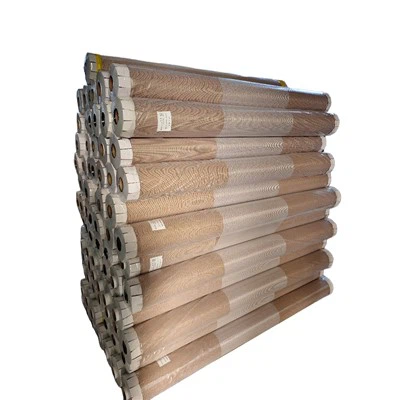
First, let’s get one foundational fact straight: matte finish on PVC isn’t just about color—it’s about surface texture. Glossy PVC has a smooth, reflective surface because of how the polymer chains align and how additives are processed during production. Matte finish, on the other hand, requires intentional surface modification to scatter light instead of reflecting it. That’s where things get interesting for custom work, especially when you pair it with a custom black hue. Most people assume matte black PVC is just black PVC with a matte coating, but that’s a common misunderstanding. In reality, we can build both the color and the matte finish into the base PVC resin itself, or apply a matte top coat post-production—depending on your needs.
Let’s start with the two main methods we use for custom colored matte black PVC film, because that’s where 90% of our clients need to know the difference. The first is bulk resin modification, which is integrated during film extrusion. This is the process where we take virgin or recycled PVC resin, mix in additives that create the matte texture, and incorporate the custom black pigment all at once. Why does this matter? Bulk modification means the matte finish is part of the entire film, not just a thin top layer. That makes it more scratch-resistant, better for applications where the surface might rub against other materials, and it won’t peel or chip over time. For example, a client last year made custom tool wraps for a brand of hand power tools—they needed a matte black finish that would hold up to being dragged across workshop floors and wiped down with chemicals. Bulk modified matte black PVC was the perfect fit, because even if the surface got scuffed, the color and texture stayed consistent.
The second method is a top-coat application, where we start with a base matte clear PVC film and then apply a custom black pigmented matte coat. This is a better option if you already have a base material that meets your strength or flexibility needs, or if you want a very specific, deep black shade that’s hard to achieve in bulk. Wait, you might be wondering—why would anyone not use bulk modification? Because top-coat matte films are often thinner, more flexible for packaging, and sometimes lower in cost for large-volume runs. But they do have tradeoffs: the top coat can be more prone to UV degradation if it’s not formulated correctly, and it’s not as resistant to heavy abrasion. We had a client in the food packaging industry a few months ago who needed matte black PVC film for custom snack bags—they chose top-coat because the film only needed to resist light rubbing from stacking on store shelves, and the custom black shade they wanted was a deep, almost neutral black that’s easier to get with a surface coat.
Now, let’s talk about the custom black part, because that’s where a lot of clients run into snags. Not all black is the same, and when you pair it with a matte finish, the shade can shift a lot based on the additives in the matte system. For example, if a matte film uses too much titanium dioxide (a common additive to create matte texture), it can make the black look grayish instead of deep black. That’s a mistake we avoid by adjusting the pigment ratio and matte additive mix before extrusion. We worked with an automotive interior component supplier last year who needed a matte black that matched the exact shade of their interior door panels—they provided a sample, and we adjusted the carbon black pigment and matte silica levels to get a perfect match. The key here is that as a custom supplier, we can tweak both the color and the matte texture independently, so you don’t have to settle for a matte black that’s too dark, too gray, or too shiny.
What about other properties you might need? A lot of our clients don’t just want a matte black film—they need it to be flame-retardant, flexible, UV-stabilized, or food-safe. That’s another advantage of working with a custom supplier: we can integrate those additives without ruining the matte finish or the custom black color. For example, a sign company we work with regularly needs matte black PVC film for outdoor storefront signs. They need it to withstand 5+ years of sun exposure, so we add UV stabilizers to the matte black formula that prevent the film from fading or turning chalky. We also make a flame-retardant version for clients who use the film in public buildings, which meets NFPA standards without affecting the matte texture or black shade. That’s not something you can get off-the-shelf; it has to be custom-formulated to balance all those properties.
I should also address a common question: can you get thin or thick matte black PVC film? The short answer is yes, within standard PVC thickness ranges, but the matte finish quality can change with thickness. For films thinner than 0.1 mm, the matte surface is slightly less consistent because there’s less polymer to hold the texture—so we adjust the matte additive ratio to compensate. For films thicker than 0.5 mm, the texture is more uniform, which is great for rigid applications like card stock or industrial inserts. We had a client in the promotional products industry who needed 0.2 mm thick matte black PVC for custom keychains—we adjusted the matte additives to keep the texture smooth, no rough patches along the edges after die-cutting.
Now, let’s talk about lead times and minimum order quantities, because that’s a big part of any custom order. A lot of new clients assume custom matte black PVC film would take 6+ weeks to produce, but for most standard formulations, we can turn a first sample around in 7-10 business days. That’s fast because we have a library of base matte PVC formulas and black pigment blends that we can tweak quickly. Minimum order quantities depend on thickness and width, but for most clients, it’s 500 linear meters, which is small enough for a startup or a small business, and large enough to keep per-unit costs low. We also offer small test runs (100 linear meters) for clients who want to test the film before committing to a large order, which is perfect for prototypes or product testing.
Wait, there’s one more factor that sets custom supplier matte black PVC apart from off-the-shelf: color consistency across runs. If you’ve ever bought matte black film from a big box supplier, you know that a new roll can look slightly darker or grayer than the last. That’s because off-the-shelf products use fixed formulations, but custom suppliers like us log every batch’s pigment ratio, additive levels, and extrusion parameters, so we can replicate the exact same matte black finish every time you order. We recently had a client who needed 10,000 linear meters of matte black PVC over 6 months for a line of custom laptop sleeves. They ordered 2,000 meters the first month, then 3,000 the next, and another 5,000 two months later—every roll was identical in color and matte texture, which was crucial for their brand’s uniform product look.
I’ve heard some clients say they tried to make matte black PVC themselves, maybe mixing dye into clear matte PVC. Don’t do that. The problem with that method is that the dye only colors the surface, so if you scratch it, the clear matte base shows through. Plus, home mixing often leads to uneven color, so parts of the film are darker than others. That’s why working with a custom supplier is worth it: we have industrial-grade mixers and extrusion lines that ensure the pigment is evenly dispersed throughout the film, so the color is uniform, and the matte texture is consistent across every inch.
Let’s also cover edge cases. What if you need a matte black PVC film that’s not flexible? Yes, we make rigid matte black PVC sheets (which are a thicker form of film) with the same custom color and matte finish. We also make matte black PVC with a textured surface—like a subtle grain that feels like leather, which is popular for luxury packaging or high-end phone cases. Another edge case: matte black PVC that’s transparent? Wait, no—matte black is opaque, but if you want a matte finish on a black film, that’s different. We can make semi-translucent matte black PVC for things like window decals, where the film blocks most light but lets a little through. That’s a custom formulation, too, with a lower pigment ratio and adjusted matte additives.
Now, let’s get to why this matters for your project. A lot of brands overlook surface finish and color consistency when choosing materials, but it can make or break a product. If your custom product uses a glossy black film and your competitor uses a matte black one, the matte one will feel more premium, more durable, and more versatile. If your matte black film fades after 6 months of outdoor use, that’s a brand issue. If it scratches easily and shows a different color underneath, that’s a customer complaint. As a custom PVC film supplier, we don’t just sell you a material—we help you choose the right type of matte black, the right additives, and the right thickness to fit your specific needs. We’ve worked with startups, Fortune 500 companies, sign makers, packaging brands, and manufacturers, so we know how to balance performance, cost, and timeline.
I want to be transparent about the limitations, too. Matte black film can’t have the same level of reflectivity as a glossy black, so if you need a highly reflective surface, matte isn’t for you. Also, some very specific color matches (like a deep, warm black with brown undertones) might require a custom pigment blend that adds a small premium to the cost. But in most cases, the difference between off-the-shelf matte black and custom matte black is minimal, and the benefits are huge: color consistency, custom properties, and finish that’s tailored to your project.
At the end of the day, the answer to “Can I get custom colored PVC film with a matte black finish?” is a resounding yes. But it’s not a one-size-fits-all product. To get the right matte black PVC for your needs, you’ll want to think about whether you need bulk modified (for durability) or top-coat (for flexibility), any additional properties like UV stability or food safety, and color consistency across production runs. If you’re ready to move forward, we can send a free sample of our standard matte black PVC film for you to test, or help you adjust the formula to match a specific shade you need.

References:
- Modern Plastics Encyclopedia, Vol. 52, 2021, pp. 112-118, Polyvinyl Chloride (PVC) Film Processing and Properties
- Surface Finish Technology for Polymers, Society of Plastics Engineers, 2019, pp. 245-262, Matte Surface Modification for Flexible Polymers
- Industrial PVC Applications Handbook, Global Polymer Association, 2022, pp. 89-97, Custom Coloring and Additive Integration for PVC Films
Antistatic PVC If you have questions about your specific project, need a sample, or want to discuss custom formulations, feel free to reach out to talk through your requirements. We’re here to help you find the perfect matte black PVC film for your needs.
Nantong Dahe Composite New Material Technology Co., Ltd.
We’re well-known as one of the leading custom colored pvc film manufacturers and suppliers in China, specialized in providing high quality customized products to global clients. Please feel free to wholesale cheap custom colored pvc film in stock here from our factory. Contact us for quotation and free sample.
Address: South Side of Pinghai Highway, Pinghe Village, Dongshe Town, Tongzhou District, Nantong City, Jiangsu Province, China
E-mail: nantongdahe@outlook.com
WebSite: https://www.cndahetech.com/
