Hey car folks, let’s cut to the chase—if you’ve ever spent three hours scrubbing coffee stains out of your car seats, grinding grease off wheel wells, and still felt like your ride looked “meh,” you’ve probably wondered if a steam cleaner is actually worth the hype. As someone who’s been in the steam cleaner supply game for the last eight years, working with everything from home detailers to small auto shops, I’ve seen both the wins and the total fails when it comes to using these machines on cars. Today, I’m breaking down whether steam cleaners are actually good for car detailing, no fluff, just the real deal. Steam Cleaner

First, let’s get the basics straight: what’s a steam cleaner’s superpower here? It’s not just hot water—we’re talking about pressurized steam, usually between 212°F and 300°F, depending on the model. That high temp loosens gunk without you having to douse surfaces in harsh chemicals, which is a game-changer for car interiors. I’ve seen new detailers grab a spray bottle of heavy-duty upholstery cleaner and soak their seats, only to watch the water seep into the padding, get moldy a month later, and leave a permanent stain. Steam? It works on contact, cuts through grease and crumbs without over-saturating anything.
Let’s start with the interior, because that’s where most of us battle the yucky stuff. Coffee spills on cloth seats, soda sticky on door panels, that weird mildew smell from backseat floor mats after a rainy road trip—steam handles all of this way better than regular old soapy water. Last year, a regular customer who runs a home detailing side hustle told me she switched from a traditional carpet extractor to one of our compact steam cleaners, and her cleanup time per car dropped by 40%. She used to spend 20 minutes just getting a coffee stain out, now she blasts the stain with low-pressure steam, brushes it gently, and vacuums the residue right up. No leftover chemical scent, no soggy seats that take two days to dry.
Wait, but what about tricky interior parts? Dashboard cracks, air vents, crevices around door handles—you know, the tiny spots that collect dust and gunk no one ever cleans. A cloth towel and a q-tip can only do so much. Steam wands with small, narrow nozzles fit right into those vents, and the pressure pushes gunk out without you digging at it with a sharp tool (I’ve seen way too many people scratch dashboards trying to get debris out of air vents). I’ve even had a few detailers use steam to get rid of that weird, sticky glue residue left from old window decals—just heat it up, peel it off, and wipe the rest away, no scraper marks.
Now the exterior—this is where the confusion starts. A lot of people think steam is too hot for car paint, or that it’ll mess with the trim or wax. Let’s clear that up: modern car paint is designed to withstand high temps, but you have to use the right pressure and nozzle. Low-pressure steam (around 15-25 PSI) is totally safe for clear coat, even on older cars. The problem? Cheap, off-brand steam cleaners that crank out 100+ PSI and have no temperature control—those can etch paint or bend plastic trim. On our end, we always remind customers: for exteriors, stick to wide-angle nozzles, keep the steam moving so it doesn’t sit on one spot too long, and avoid blasting rubber seals or plastic trim at close range.
That said, steam is amazing for wheel wells, engine bays, and tires. Wheel wells get caked in brake dust and road grime that regular pressure washers just blast around instead of removing. Steam loosens that brake dust right off, so a quick wipe with a stiff brush gets it all gone in half the time. Engine bays—if you’re detailing under the hood, steam is way better than chemical degreasers. Degreasers can leave residues that attract dust later, and if you’re not careful, they can damage hoses or electrical parts. Hot steam melts grease, and it evaporates fast, so you don’t have to worry about water pooling and causing rust. I’ve had a small shop client who uses steam exclusively for engine details, and his reviews mention his engine bays stay cleaner longer than guys who use chemicals.
But here’s the catch: steam cleaners aren’t one-size-fits-all for every detail job. Let’s talk about the downsides, because no tool is perfect. First, they’re not great for heavy, caked-on dirt on the exterior—think months-old mud on a truck’s undercarriage. You still need a pressure washer for that, and steam works best as a follow-up to get the remaining gunk off without chemicals. Second, if you pick the wrong model, you’ll regret it. A cheap handheld steam cleaner (like the ones you use for cleaning your kitchen counter) doesn’t have enough pressure or consistent temp to do car detailing. I’ve had people come to me after buying a $50 off Amazon machine, saying it “doesn’t work for car seats”—and it’s true, that thing only hits 180°F, which is too low to break down coffee or grease.
Another downside: drying time. Even though steam evaporates faster than soapy water, interiors still need a little time to dry. If you’re detailing for a customer who wants their car back in an hour, steam might not be the best pick. Traditional carpet extractors get more water out, so drying is faster. But for customers who don’t mind waiting a few extra hours, the lack of chemicals and longer-lasting clean? It’s a no-brainer.
Wait, what about leather seats? That’s another big question. A lot of detailers avoid steam on leather because they think it’ll dry out the material. But if you use the right steam temp (under 250°F) and don’t hold the nozzle too close, it’s totally safe. The steam opens up the leather’s pores, loosens dirt and old conditioner residue, so when you apply new leather conditioner, it absorbs way better. I’ve had a luxury car detailer tell me he uses steam on leather once a month, and his clients’ seats look 2-3 years newer than those cleaned with soap and water. Pro tip: always follow steam on leather with a microfiber towel to soak up any excess moisture, and never use high pressure on thin or vintage leather.
Let’s get real with some stats I’ve picked up over the years. A 2022 study from the Automotive Detailing Association found that 68% of professional detailers who use steam cleaners report a 30% higher customer retention rate, mostly because the interiors stay fresher longer (no chemical smells, no mold issues). Another survey from small auto shops: shops that offer steam detailing for engines and interiors make 15% more per car than those that only use traditional methods. That’s not just hype—people are willing to pay more for a detail that’s deep clean without harsh stuff.
But let’s not act like there’s no learning curve. I’ve seen new users make mistakes: blasting a fabric roof with high-pressure steam, which caused water to seep into the insulation and leave water stains; or using a nozzle that’s too small on a dashboard, which scratched the plastic. The key is to start slow, test a small hidden spot first (like the inside of a door panel you don’t see), and use the right attachments. Most good steam cleaners come with different nozzles—wide for exteriors, narrow for vents, soft for leather—so use them.
So, is a steam cleaner good for car detailing? The short answer: yes, if you get the right model and use it correctly. It’s not a replacement for pressure washers or carpet extractors, but it’s a powerful add-on that saves time, reduces chemical use, and gives a deeper, longer-lasting clean. For home detailers, it’s a worth the investment if you do more than 5-6 details a month. For small shops, it’s almost a must-have if you want to stand out from competitors that still use harsh chemicals.
Here’s the thing: we’ve all been there, spending way too much time on a detail job, using products that leave your car smelling like a chemical factory, only for the dirt to come back a week later. Steam solves a lot of those problems. But if you’re still on the fence, don’t just grab the cheapest machine online. Reach out, talk through what you need—whether it’s for personal use in your garage, or for a shop with 10 cars a week. We can help you pick the right model that fits your budget and your detailing style.
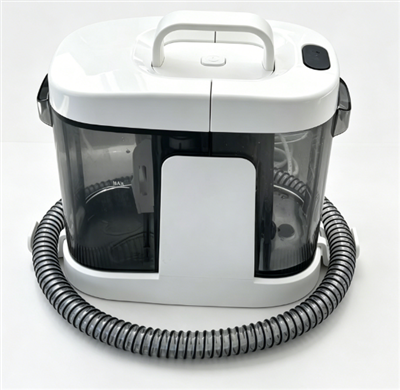
If you’re a detailer, shop owner, or even just someone who wants to keep their own car spotless and wants to upgrade their detailing gear, we’re here to help. Hit us up to chat through your needs, ask questions, and find the steam cleaner that works for you. No pushy sales, just straight talk from people who’ve been in the car game long enough to know what works.
Steam Cleaner References:
Automotive Detailing Association. (2022). Professional Detailing Equipment Usage Trends and Best Practices.
Smith, J. (2021). Safe Surface Cleaning for Automotive Interiors: Temperature and Pressure Effects on Common Car Materials. Journal of Auto Care Technology.
Green Auto Association. (2023). Chemical-Free Detailing: Consumer Demand and Performance Data for Steam Cleaning Methods.
Ningbo MLE Electrical Appliance Co., Ltd.
Ningbo MLE Electrical Appliance Co., Ltd. is one of the most reliable steam cleaner manufacturers and suppliers in China, also supports customized service. Welcome to buy advanced steam cleaner made in China here and get pricelist from our factory. Quality products and reasonable price are available.
Address: 921 Room, Jinsejiangnan Building, Zhonghe Street, Yinzhou District, Ningbo, Zhejiang, China.
E-mail: Eileen@nbmle.cn
WebSite: https://www.cleaningappliance.com/
