If you’re like most people grabbing a snack from the grocery store, the last thing you probably think about is the wrapper holding your granola bar, the bag of baby carrots, or the single-serve yogurt cup. For decades, that packaging has been plastic, paper, or foil—materials designed to protect food from spoilage, extend shelf life, and make it easy to transport. But today, a quiet revolution is reshaping that industry, and as a food packaging supplier on the front lines, I’ve watched it unfold firsthand. That revolution is edible food packaging, and it’s not some far-off, science-fiction idea—it’s a tangible, scalable solution that’s already changing how we think about waste, sustainability, and even convenience. Food Packaging
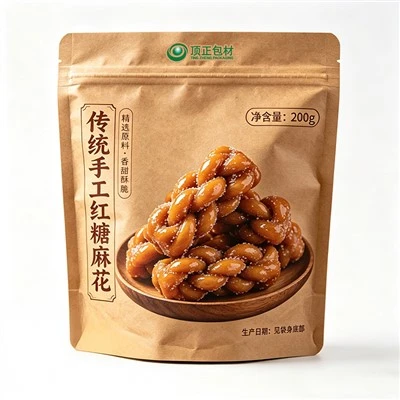
Edible food packaging is exactly what it sounds like: a protective layer or wrapper made from ingredients that are safe for humans to eat, designed to hold food, preserve its quality, and eliminate the need for single-use plastic or paper packaging that often ends up in landfills or oceans. Unlike compostable packaging, which breaks down over time but still requires specific conditions to decompose, edible packaging is consumed alongside the food it holds. In some cases, it’s even nutritious, adding fiber, vitamins, or minerals to the product it encases. What sets it apart from other sustainable packaging options is its end goal: zero waste. There’s no leftover material to throw away, no need for special disposal, and no risk of the packaging leaching chemicals into food, a concern that has plagued many plastic and even some paper packaging products.
Let’s break down how it’s made, because it’s not just “edible stuff wrapped around food.” Most edible packaging starts with natural, food-grade raw materials derived from plants, animals, or even byproducts of the food industry, which cuts down on its carbon footprint right out the gate. For example, one common base is polysaccharides, which are long-chain carbohydrates found in things like seaweed, starch (from corn, potatoes, or rice), and cellulose from plant cell walls. Seaweed is particularly popular here: it’s abundant, fast-growing, and already used in countless food products (think nori on sushi, or the thickener in ice cream). Another category is proteins, sourced from dairy (whey, which is a byproduct of cheese making), soy, wheat gluten, or even insects—though insect-based proteins are still in early stages of consumer acceptance for most mainstream markets. Lipids, or fats, from plants like coconut or palm, or animal fats like beeswax, round out the mix, adding moisture resistance, a key trait for packaging that needs to keep food from drying out or absorbing unwanted moisture.
The manufacturing process varies based on the base material, but the core goal is to create a thin, flexible, durable film that can seal in food without breaking down too quickly. For polysaccharide-based films, manufacturers often mix the base material with water, add a small amount of plasticizer (like glycerin, which is safe to eat, to prevent the film from being too brittle), and then heat the mixture to create a uniform solution. That solution is then cast into thin layers, dried, and cut into shapes—whether that’s a wrapper for a chocolate bar, a casing for a single-serve sauce packet, or a round layer to hold a piece of fruit. Protein-based films follow a similar process: whey protein, for example, is mixed with water and plasticizers, then heat-treated to form a film that’s strong enough to hold acidic foods without breaking down. Lipid-based films are often made by melting fats or waxes, then coating a thin layer of the other materials to add water resistance—critical for packaging things like salad dressing or frozen foods that would make regular edible packaging fall apart.
From my work as a food packaging supplier, I can tell you that edible packaging isn’t just a cool science experiment—it’s already being used in a wide range of products, and the applications are growing every year. One of the most familiar examples is the edible water bottle, a spherical shell made from sodium alginate (derived from brown seaweed) and calcium chloride. The shell dissolves in your mouth when you bite into it, no need to toss a plastic bottle. It’s been used at music festivals and sports events to cut down on plastic waste, and while it’s still in early commercialization, we’ve seen steady demand from brands looking to reduce their single-use footprint. Another common use is for fresh produce: some grocery stores now sell apples, bananas, and even berries coated in a thin edible wax layer that extends shelf life by slowing down moisture loss and preventing mold. That coating is made from things like beeswax, carnauba wax (from palm leaves), or shellac (a resin from lac bugs), and it’s completely safe to eat—you can wash it off if you want, but you don’t have to.
Then there are the single-serve condiment packets, a product that’s long been a source of plastic waste from fast food restaurants and takeout companies. Edible packets, made from starch or whey protein, can hold ketchup, mustard, or soy sauce, and when you’re done with the sauce, you eat the packet—no trash left behind. We’ve had fast food clients testing these packets for over a year now, and the feedback from consumers has been overwhelmingly positive, especially among younger shoppers who prioritize sustainability. Even confectionery is getting a makeover: chocolate companies are using edible wrappers made from cocoa butter that fit around chocolate bars, eliminating the need for foil or plastic wraps. And for frozen foods, we’re working on a lipid-based film that can hold frozen pizza slices or ice cream sandwiches, which stays intact at sub-zero temperatures without cracking or melting.
Of course, edible packaging isn’t without its challenges, and that’s something my team and I deal with daily as a supplier. The biggest hurdle is performance. Traditional packaging—plastic, in particular—can withstand a lot: high temperatures, moisture, acidic foods, rough handling. Edible packaging, on the other hand, is often more delicate. A starch-based film, for example, can absorb moisture from the air and turn soggy if not formulated correctly, which is a big problem for products that need to stay crisp. Protein-based films can be sensitive to humidity too, and lipid-based films can be too brittle at low temperatures, making them hard to transport or store. We spend a lot of time testing different formulations, tweaking the ratio of base materials, plasticizers, and even adding small amounts of natural preservatives (like rosemary extract or vitamin E) to extend the shelf life of the packaging itself, not just the food inside.
Another challenge is consumer acceptance. A lot of people are used to tossing packaging in the trash, so the idea of eating their wrapper can feel unusual, even unappetizing, at first. We’ve found that education is key here. When brands include a small note on the packaging that says “No need to peel—this wrapper is edible!” it goes a long way. Some early adopters have even started adding subtle flavors to the packaging, like a hint of vanilla for a granola bar wrapper, to make it feel more intentional than just a replacement for plastic. Cost is also a factor right now. Edible packaging is still more expensive to produce than traditional plastic, mostly because it’s a newer technology and production volumes are lower. But as more brands switch to it and manufacturing processes scale, we expect costs to come down—just like compostable packaging did a decade ago.
For a food packaging supplier, the shift to edible packaging isn’t just about meeting a trend—it’s about solving a real problem. The global food packaging industry produces over 100 million tons of waste every year, according to recent studies, with single-use plastic accounting for more than 40% of that waste. Most of that packaging ends up in landfills, where it can take hundreds of years to decompose, or in oceans, where it harms marine life and enters the food chain. Edible packaging cuts that waste out entirely. When a consumer buys a product with edible packaging, there’s no step of disposing of the wrapper—they eat it, just like the food inside, and that’s it. For brands, that’s a huge selling point. Consumers are increasingly willing to pay a little more for sustainable products: a 2023 survey found that 68% of shoppers would choose a product with edible packaging over the same product in plastic, if the price difference was less than 10%. As a supplier, that’s the kind of demand we’re built to meet.
We’re also seeing edible packaging open up new opportunities for food innovation. For example, small food startups that make plant-based snacks are using edible packaging to align their entire brand around sustainability, something that’s harder to do with plastic. And for the global food supply chain, edible packaging could help reduce food waste at both ends. By extending the shelf life of fresh produce, it cuts down on the 1.3 billion tons of food that’s wasted every year because it spoils before it can be sold. And at the consumer level, eliminating packaging waste means less trash to manage, especially in areas with limited waste infrastructure.
Of course, it’s not going to replace all traditional packaging overnight. There will always be products that need the extra protection of plastic—like raw meat, which can carry bacteria that require a waterproof, barrier film. But even for those products, we’re working on hybrid solutions: edible layers that add a protective coating, paired with a small amount of recyclable plastic, to reduce the overall waste footprint. Edible packaging is a piece of the larger sustainable packaging puzzle, and it’s one that’s moving the needle faster than many other options.
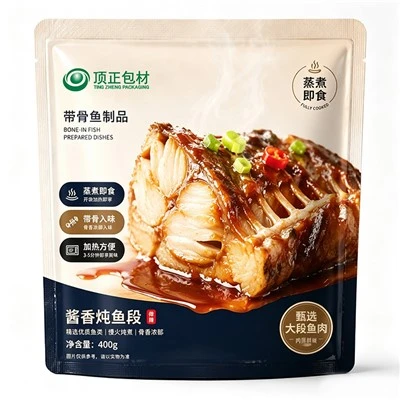
As someone who’s been in the food packaging industry for 15 years, I’ve seen a lot of fads come and go, but edible packaging feels different. It’s not a temporary trend—its core value, eliminating single-use waste, is something that’s only going to become more important as regulations around plastic waste get stricter, and consumers demand more sustainable products. We’re not just supplying a product anymore; we’re partnering with brands to build a more sustainable future for food. If you’re a food brand looking to cut down on your packaging waste, or a retailer interested in offering edible-packaged products to your customers, I’m here to help. We can work together to develop custom edible packaging solutions tailored to your products, test formulations to meet your performance needs, and navigate the transition to more sustainable packaging that doesn’t compromise on quality or cost. Whether you’re a small startup just launching your first product or a large food corporation looking to overhaul your entire packaging line, we have the expertise and capabilities to help you make the switch. Reach out to our team today to discuss your food packaging needs and learn more about how edible packaging can benefit your brand, your customers, and the planet.
Clusters References
- Food and Agriculture Organization of the United Nations. (2022). The State of Food and Agriculture: Reducing Food Loss and Waste.
- Ellen MacArthur Foundation. (2023). New Plastics Economy Global Commitment Annual Report.
- Patel, A. R., & Varanasi, S. (2021). Edible Packaging: A Review of Materials, Manufacturing, and Applications. Critical Reviews in Food Science and Nutrition, 61(15), 2567-2585.
- Nielsen. (2023). Global Sustainability in Consumer Products Survey.
- United Nations Environment Programme. (2022). Single-Use Plastics: A Roadmap for Sustainability.
Hangzhou Tingzheng Packaging Co., Ltd.
Hangzhou Tingzheng Packaging Co., Ltd. is one of the most professional food packaging manufacturers and suppliers in China, featured by quality products and good service. Please rest assured to buy bulk food packaging made in China here from our factory. We also accept customized orders.
Address: 3rd Floor, Building D, The Mixc, Minhang District, Shanghai, China
E-mail: dzyygg@thpmg.com.cn
WebSite: https://www.tingzhengpackaging.com/
