Let’s cut to the chase — if you’re in the industrial space, maintenance crew for a manufacturing plant, or even a safety lead at a busy warehouse, toxic gas detection isn’t some “nice-to-have” afterthought. It’s the thing that keeps your team from going home sick, protects your equipment from costly corrosion, and keeps you compliant with OSHA, EPA, and whatever other regulations you’re stuck with. And if you’re here asking, “Can detector modules be used for toxic gas detection?” — you’re probably tired of dealing with clunky, one-size-fits-all gas detectors that require constant calibration, take up half your toolbox, or die mid-shift for no reason. Let me break this down, since I’ve been supplying detector modules (that’s what we do) for over a decade, and I’ve seen exactly what works and what doesn’t. Detector Module
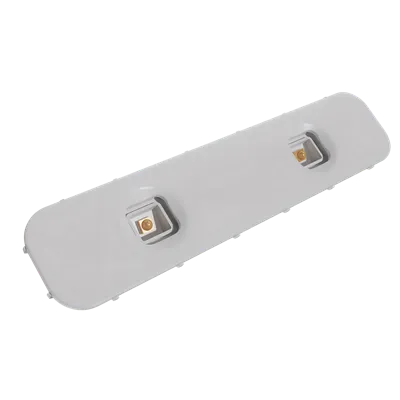
First, let’s get one thing straight: a detector module isn’t a full standalone gas detector. It’s the brain, the sensor, the core part that makes any gas monitor tick. Think of it like the engine in your truck — you don’t drive the engine around alone, but if your engine sucks, your whole truck is garbage. So when people ask if these modules work for toxic gas detection, the short answer is a resounding YES — but only if you pick the right type for your application. Let’s dive into the most common toxic gases we get asked about, and which modules handle them best, because not all modules are created equal.
Take hydrogen sulfide (H2S) first. That’s the rotten egg gas you smell at sewage plants, oil refineries, or even paper mills — and at high levels, it’ll knock you out in 2 minutes flat. The modules we supply for H2S use electrochemical sensors, not the old catalytic ones that mess up if there’s dust or moisture. Why does that matter? Electrochemical modules are tiny, super sensitive, and can pick up H2S at parts-per-million (ppm) levels — which is exactly what you need, because OSHA’s 8-hour time-weighted average limit is only 10 ppm. We had a client last year who was using a $500 standalone H2S detector that would drift after 3 months and give a false “all clear” — they switched to our H2S module, built into their existing ruggedized monitors, and now calibration only needs to happen once every 6 months. They cut their gas monitoring costs by 40% in a year because they weren’t replacing dead standalone units every quarter.
Then there’s carbon monoxide (CO) — the silent killer from boilers, generators, or confined spaces like storage tanks. CO binds to red blood cells and cuts off oxygen to your brain, so you can’t smell it, can’t see it, and you’ll pass out before you even realize you’re in danger. Our CO modules use a metal oxide semiconductor (MOS) sensor? Wait, no — actually, for low-level CO detection, electrochemical is still king, but we have a newer line of mini electrochemical CO modules that fit into even the smallest wearable monitors. The big win here is that you don’t have to carry a separate CO detector anymore — if you build a custom monitor using our modules, you can combine H2S, CO, oxygen (O2, too — that’s another toxic/oxygen-depletion gas), and even volatile organic compounds (VOCs) all in one unit. That’s the beauty of modules, right? They’re modular, so you mix and match exactly what you need, no wasted parts.
Wait, what about more niche toxic gases? Like ammonia (NH3) for refrigeration plants, or chlorine (Cl2) for water treatment? Our modules cover those too — ammonia uses a specific electrochemical sensor that’s calibrated for high humidity (refrigeration plants are cold and damp, so cheap sensors die there), and chlorine modules are sealed to avoid cross-contamination from other gases. We had a water treatment plant in Ohio that was having issues with chlorine leaks — their old standalone detector would set off false alarms every time they added chlorine to the system, because the sensor couldn’t tell the difference between trace chlorine and the high levels they were dosing. Our chlorine module has a built-in filter that eliminates that cross-interference, so now they only get alarms when there’s an actual dangerous leak, not when they’re doing their job. That’s the kind of real problem solving modules bring to the table, not just lab talk.
Now, let’s address the elephant in the room: why would anyone use a detector module instead of a pre-made gas detector? Let’s be honest — pre-made units are easy, but they’re one-trick ponies and they’re expensive if you need a custom setup. Say you’re a construction company that does confined space entry — you need a monitor that fits on your hard hat, is lightweight, and tracks 4 gases: H2S, CO, O2, and maybe VOCs. A pre-made 4-gas monitor will cost you $600-$800, and it’s only for that exact set of gases. But if you build your own using our modules, you can get a custom enclosure, program the alarm thresholds exactly to your site’s needs (not the generic factory settings), and pay half the price. Plus, if a sensor goes bad on your custom monitor, you just replace the module, not the whole device. That’s a huge cost saver over time. We have a lot of small to mid-sized industrial clients who’ve switched from off-the-shelf monitors to our modules, and their maintenance budgets dropped by 30-50% within the first year.
But wait, I can’t sugarcoat this — not all modules are suitable for toxic gas detection. You have to do your homework on the sensor type, the detection range, and the interference factors. For example, if you’re trying to detect H2S in an area with a lot of methane, a catalytic bead module will give you a false reading because methane is flammable and it reacts with the sensor. But our electrochemical H2S modules are calibrated to ignore methane, so that’s a no-brainer. Another common mistake is picking a module with a detection range that’s too low or too high. If you’re working in an oil field where H2S levels can spike up to 100 ppm, you don’t want a module that only detects up to 20 ppm — it’ll max out and give you a useless reading. We build our modules with adjustable ranges, but we always ask clients to send over details about their site’s gas levels before we sell them, so they don’t waste money on the wrong one.
Let’s talk about real-world results, because numbers don’t lie. Last year, we worked with a food processing plant that had a problem with ammonia leaks from their refrigeration system. They were using 20 standalone ammonia detectors, and they were replacing 5 a quarter because they’d get contaminated with cleaning chemicals in the area. They switched to our ammonia modules, built into a rugged, IP67-rated enclosure that could handle the food-grade cleaning processes, and now those 20 units have only needed 1 replacement in 12 months. Their OSHA compliance audits went way smoother, because their alarms are accurate and they’ve had zero incidents of undetected ammonia exposure. That’s the kind of impact detector modules can have, beyond just “working” — they actually improve safety and compliance.
Another thing people don’t talk about enough is scalability. If you’re a startup or a small business, you might only need 5 modules right now, but in 2 years you might need 50. You don’t want to be stuck with a bunch of outdated standalone detectors when you scale. With modules, you can buy as many as you need, whenever you need them, and integrate them into new monitors or existing systems. We have clients that started with 10 modules for a small warehouse, then expanded to 100 modules for a new manufacturing plant, and they never had to rework their entire system because our modules are compatible with most common gas monitor platforms. That flexibility is game-changing.
Now, let’s address the counterargument I hear all the time: “I don’t want to deal with building my own devices — I just want something that works out of the box.” Fair enough! But even if you don’t want to assemble your own monitor, detector modules still have a place. A lot of the big-name gas detector brands actually buy their sensors from suppliers like us, then put their own name on them and mark them up 2-3x. So by buying the module directly, you’re cutting out the middleman and saving money, while getting the same high-quality sensor. We have a lot of clients who source our modules to build their own custom solutions, and even some big industrial companies that use our modules as their supply for bulk sensor replacements, because it’s cheaper than buying the whole detector from the original brand.
Wait, what about reliability? I know safety equipment has to be 100% trustworthy. Our modules go through rigorous testing — temperature cycling from -40°F to 140°F, dust and moisture resistance, vibration tests for industrial sites, and we calibrate every single module before it leaves our warehouse. We also offer a 2-year warranty on all our toxic gas detection modules, which is way longer than most standalone detectors come with. We had a client in Alaska that used our H2S modules on drill sites, where temperatures drop to -50°F in the winter. Their old standalone detectors would freeze up and stop working, but our modules? No issues, even after 18 months in that cold. That’s the level of reliability you need for toxic gas detection — there’s no room for error when a gas leak could hurt or kill someone.
So, to circle back to the original question: Can detector modules be used for toxic gas detection? Absolutely. But the key is picking the right module for your specific application, working with a supplier that knows their stuff, and understanding the difference between a core module and a full standalone detector. You don’t have to be a tech expert to pull this off, either — we provide free technical support, custom calibration advice, and even sample modules for clients to test on their site before they commit to a bulk order.
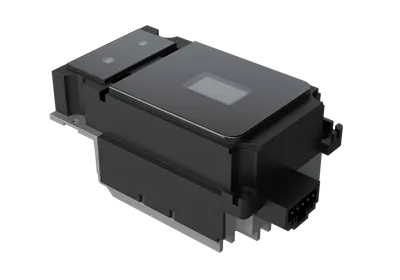
If you’re tired of overpaying for underperforming gas detectors, tired of false alarms, tired of replacing your entire monitor just because one sensor dies, or tired of generic setups that don’t fit your site’s needs, let’s chat. Whether you need 5 modules for a small warehouse or 500 for a large industrial complex, we can help you build a solution that’s safe, cost-effective, and tailored exactly to what you need. No sales pitches, no confusing jargon — just real advice and high-quality modules that actually work for toxic gas detection.
Chip & LED References
- OSHA. (2023). Toxic Gas Exposure Limits in the Workplace. U.S. Department of Labor.
- National Institute for Occupational Safety and Health (NIOSH). (2022). Confined Space Gas Detection Best Practices. Centers for Disease Control and Prevention.
- Sensor Technology. (2021). Electrochemical vs Metal Oxide Semiconductor Sensors for Toxic Gas Detection. Journal of Industrial Safety Technology.
- International Electrotechnical Commission (IEC). (2020). IEC 61508 Functional Safety for Gas Detection Systems.
UVLEDTEK Group
As one of the most professional detector module manufacturers and suppliers in China, our products have good reputation in the market. Please rest assured to buy high quality detector module at competitive price from our factory. For more information, contact us now.
Address: Building C6-1, Optics Valley United Technology City, Gaoxin 3rd Road, Gedian Development Zone,Ezhou City, Hubei, China
E-mail: info@uvledtek.com
WebSite: https://www.uvledtek.com/
