If you’ve ever browsed high-voltage power line hardware, odds are you’ve seen both porcelain suspension insulators and station post insulators side by side—probably never stopping to question why there are two totally different types. As a porcelain suspension insulator supplier who’s dealt with utilities, contractors, and even new engineering interns for years, let me break this down like I would over a coffee (no stuffy textbook jargon, promise). I get it, both look like smooth, white ceramic bits that hold power lines up, so it’s easy to mix ’em up. But skimping on knowing the difference can lead to headaches, unexpected costs, or even safety issues on the job. Porcelain Suspension Insulator
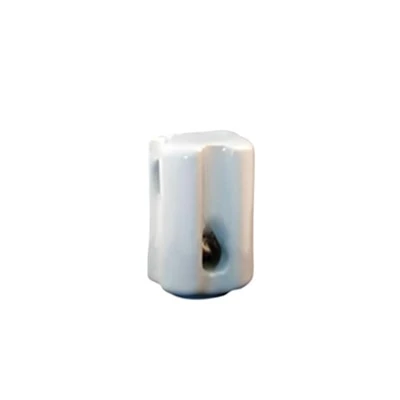
First, let’s start with the basics of what each is designed to do. Porcelain suspension insulators (often just called “string insulators” on job sites) are made for overhead transmission lines—those big, stretchy lines that hang between utility poles or transmission towers. Their whole job is to isolate the power line from the metal hardware (called the crossarm or tower) below it, right? But more than that: they’re built to handle tension. Power lines are never totally slack; they pull tight under their own weight, plus wind, ice, even extreme heat that makes metal expand. A single porcelain suspension insulator doesn’t do the job alone—they’re strung together, usually in a vertical line, to make a “string” that can stretch to absorb that pull. Each insulator in the string is a disc-shaped piece of porcelain with a metal cap on top and a metal pin (or socket) on the bottom, so they clip into each other to form a flexible string.
Station post insulators? Those live inside utility substations, right on the ground or on low concrete pads, supporting the heavier bus bars (the thick, rigid metal lines that carry power around the substation) or equipment like transformers and circuit breakers. Their whole deal is to provide rigid, vertical support, not tension. Unlike suspension insulators that hang, these stand straight up, bolted directly to the substation foundation. No stringing—they’re one solid piece, made of solid porcelain (or sometimes a porcelain core with a polymer outer sheath, but stick with the classic porcelain for our comparison here) and a metal base, not stacked discs.
Now, let’s get into the nitty-gritty technical stuff that actually matters for anyone ordering these, not just engineers. First, load type. This is the biggest differentiator. Suspension insulators are tension-rated. Every disc in a suspension string is rated to handle a certain amount of pull (usually in kN, or kilonewtons—think 70 kN, 120 kN, even 300 kN for extra-heavy lines). The string can flex a little, which is perfect for the way overhead lines move with wind or ice. If you tried to use a suspension insulator as a post, it would flop around under the bus bar’s weight, cause arcing, or even snap. On the flip side, station post insulators are compression and bending rated. They don’t handle sideways pull well at all—they’re built to hold weight pressing down or pushing against them from the sides. Try to hang a line from a post insulator, and you’ll warp the porcelain or bend the metal hardware fast.
Porcelain construction is another key gap. Suspension insulators are multi-part disc assemblies for a reason. That stacked design isn’t just for strength—it’s for leakage distance. Overhead lines get exposed to rain, snow, salt, dirt, whatever’s in the air. If there was only one smooth disc, water would create a conductive path between the line and the tower, causing a power leak (called a “flashover”). The ridges on each disc add extra length that water has to cross before it can connect the two sides. Station post insulators? They have a smooth or slightly ribbed outer surface to shed debris from the substation (which is usually cleaner than a rural overhead line) and handle static pressure, not tension. Their internal structure is solid porcelain, no disc gaps, because they don’t need to flex—they just need to be rigid.
Wait, let’s talk installation, because that’s where a lot of mistakes happen. I’ve had a contractor call me panicking because they ordered suspension insulators to rig up a substation bus bar, only to realize they can’t bolt ’em down tight. Installation for suspension insulators is all about stringing. You use a hoist to hang the string between the tower’s crossarm and the power line, clip each disc together with metal fittings, and adjust the tension so the line doesn’t sag too much or pull too hard. Station post insulators are totally different: you bolt the metal base to the substation’s concrete pad, then bolt the bus bar or equipment top plate to the top of the post. No hanging, no stringing—just secure, vertical mounting. That’s why their height is way shorter, too. A suspension string might be 3-10 feet long, depending on voltage, while a station post is usually 1-4 feet tall, depending on the substation’s voltage level.
Voltage rating is another easy mix-up point, but it works differently for each. For suspension insulators, voltage rating is tied to the number of discs. A 138 kV transmission line might need 7-9 discs, a 230 kV line needs 12-15, because each disc handles a specific amount of electrical stress. You add more discs for higher voltage, creating a longer leakage path. For station post insulators, voltage rating is based on the total height and surface area of the solid porcelain body. A 138 kV post insulator is taller than a 69 kV post, but not because it’s stacked—its solid porcelain is shaped to handle the higher electrical stress, and the base is thicker to hold the weight of the bus bars.
Let’s throw in some real-world examples to make this concrete. Last year, a small utility in Ohio hit me up because they ordered 20 station post insulators instead of suspension ones for a new 115 kV line out in the country. Turned out their new intern didn’t know the difference, so the whole string setup wouldn’t work—post insulators can’t handle the tension of a hanging line, so they’d have bowed under the pull within a month. We swapped ’em out for our standard 100 kN porcelain suspension strings, and they’ve run smooth ever since. On the substation side, a friend at a substation builder in Texas told me they use station posts for their 345 kV bus bars because the rigid support keeps the thick metal lines from vibrating loose during hot summer afternoons. Suspension insulators would let the bus bar wiggle too much, causing wear on the connections.
Now, let’s clear up a common myth: are porcelain suspension insulators only for low voltage? Nope. I supply porcelain suspension insulators for lines from 12 kV (local distribution) all the way up to 765 kV (extra high voltage transmission). The disc size increases too—smaller discs for lower voltage, bigger, thicker discs for higher tension and voltage. Station post insulators go from low voltage distribution (24 kV) up to substation high voltage too, but their core use case is static support, not tension.
Another practical difference: maintenance. Suspension insulators are easier to inspect because they’re out in the open on overhead lines. Linemen can climb the tower, tap each disc with a tool, and spot a cracked one fast. Station post insulators are inside substations, often surrounded by equipment, so you need to shut down part of the substation to inspect them, which is way more expensive. That’s why we make our porcelain suspension insulators with a dense, glazed surface that’s scratch-resistant—less need for frequent maintenance, which is a big sell for utilities that are always on tight budgets.
Wait, let’s talk about failure modes, because that’s where the risk of mixing ’em up is real. If you use a station post insulator on a tension line, it will almost always fail catastrophically under the pull. The solid porcelain isn’t designed to flex, so it will crack or shatter, causing a power outage. If you use a suspension string in a substation, two things can go wrong: first, it can’t support the weight of the bus bar, so it might sag and touch other parts of the substation, causing a short circuit. Second, the substation environment has more mechanical vibration from transformers and fans, and the flexible string can wear on the connections over time, leading to arcing.
Now, why does this matter to you, especially if you’re ordering either? Let’s say you’re a contractor building a new transmission line—you need suspension insulators. If you’re a substation tech expanding a local substation, you need station posts. Skipping this step leads to reordering costs, project delays, and even safety hazards on the job. As a porcelain suspension insulator supplier, I don’t just sell product—I help clients pick the right one for their exact use case. I’ve seen clients save thousands just by double-checking the load and mounting type before ordering.
I get it, the terms can feel overwhelming, especially if you’re not an engineer. The key rule of thumb I tell everyone: If it’s hanging between two points (poles, towers), it’s a suspension insulator. If it’s standing upright, bolted to the ground or a pad, it’s a station post insulator. That’s the quick test you can do on a job site when you’re staring at two boxes of hardware trying to figure out which is which.
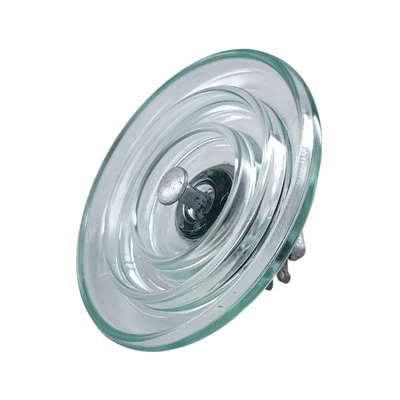
If you’re in the market for porcelain insulators—whether you’re upgrading a transmission line, expanding a substation, or replacing old hardware—don’t waste time guessing. We supply high-grade porcelain suspension insulators for every voltage and load rating, and I can help you pick exactly what you need without the jargon. Just reach out to our team to chat through your project details, and we’ll make sure you get the right product on time and on budget.
Line Post Insulators References
- Transmatal Insulator Technical Handbook, 2022
- IEEE Standard for Porcelain Insulators for Power Systems, IEEE Std 450-2020
- Electric Power Research Institute (EPRI) Overhead Line Insulator Performance Report, 2021
- Substation Design and Equipment: A Practical Guide, Palgrave Macmillan, 2019
Chongqing Pigeon Porcelain Insulator Co., Ltd.
As one of the most professional porcelain suspension insulator manufacturers and suppliers in China, our products have good reputation in the market. Please feel free to buy durable porcelain suspension insulator at competitive price from our factory. Good service and quality products are available.
Address: No.10, Hequan North 1st Road, Yanjia Industrial Park, Changshou District, Chongqing, China
E-mail: cqdc2006@163.com
WebSite: https://www.gpdcinsulators.com/
