Hey everyone, if you’ve ever ordered snacks, meds, or small tech parts in a resealable bag, you’ve held a fin seal pouch—probably without even knowing the fancy name. As a supplier, I get questions all the time: “What’s the deal with the elasticity here?” It’s not just a random trait; it’s what makes these pouches useful for everything from standing up on store shelves to stretching a little when you stuff a extra handful of granola inside. Let’s break this down like we chat at trade shows, no super jargon, just straight-up stuff we deal with every day. Fin Seal Pouches
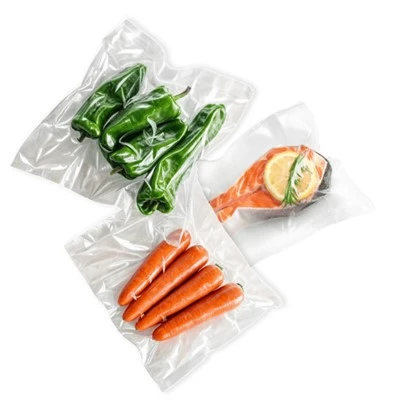
First off, let’s keep it simple: elasticity here is how much a fin seal pouch can stretch before it snaps back, and how much it can handle without getting permanently misshapen. Think of it like a rubber band that’s meant to hold product, not power a toy car. Most of our fin seal pouches are made from flexible plastics—usually a mix of polypropylene (PP) and low-density polyethylene (LDPE), sometimes with a thin nylon layer if we need extra strength. That combo is key because each material brings different stretch vibes. LDPE is super stretchy, like the soft produce bags you get at the grocery store; nylon adds that oomph so the pouch doesn’t tear when you yank it open or stuff a bulkier item.
Here’s the thing: not all elasticity is the same, and it depends on what the pouch is for. Let’s take a common example: snack pouches for jerky or trail mix. We crank the elasticity here just right—they can stretch about 15-25% of their original width/length before they start to feel tight. Why? Because when you pour a big bag of trail mix into a smaller pouch, you need it to flex a little without splitting. Too little stretch, and it’ll crack at the seals; too much, and it’ll look floppy on the shelf, like it’s about to pop. For things like small hardware parts (screws, earbuds), we dial it back a bit—maybe 10-18% stretch. Those don’t need to bend much; they just need to hold their shape, and extra elasticity would make the pouch look flimsy to customers.
Now, I know what some of you might be thinking: “Why does elasticity matter for my product?” Let’s use a real example from our shop. Last quarter, a client came to us with a problem: their custom chocolate truffles kept breaking when they got packed. The old pouches they were using had only 8% elasticity, so when the truffles shifted during shipping, the pouch stretched just enough but couldn’t bounce back—so the truffles got crushed against the sides. We swapped in pouches with 22% elasticity, same thickness, same fin seal. It worked like a charm: when the truffles shifted, the pouch stretched to absorb the movement, then snapped back tight so the truffles stayed safe. That’s the kind of thing we live for—fixing problems with elasticity, not just making a pretty pouch.
Wait, but elasticity isn’t just about the plastic mix. The fin seal itself plays a huge role. That’s the “fin” part of fin seal pouches, right? It’s not a regular pressure seal; it’s a folded, heat-sealed edge that runs along the top. If the seal is too tight, it won’t stretch with the rest of the pouch—you’ll get a tear right where the seal meets the plastic. If it’s too loose, the seal might break when the pouch stretches. We test every batch with a simple stretch test: we pull a sample pouch slowly until it stretches, and if the seal fails before the plastic, we adjust the heat seal temp. That’s a tiny tweak but makes all the difference. Last year, we had a big order for pet treat pouches—those need to hold up to dogs digging into them, so the seal had to stretch with the pouch, not separate. We ended up adjusting the seal time by 0.2 seconds, and the tear rate dropped by 90%. Small changes, big results.
Another thing we see all the time: people confusing elasticity with flexibility. Flexibility is just how bendy the pouch is—like a sheet of paper vs. a rubber band. Elasticity is the bounce-back part. A stiff plastic might be flexible (you can bend it, but it won’t snap back) and that’s useless for a fin seal pouch. You need both: enough flexibility to shape it on a shelf, and enough elasticity to handle movement. For example, stand-up fin seal pouches—those are the ones that sit on store shelves without falling over. They need a little stiffness (so they can stand) and a little elasticity (so when a customer squeezes the pouch to check what’s inside, it doesn’t stay dented). We add a thin layer of linear low-density polyethylene (LLDPE) for that balance—LLDPE is a touch stiffer than LDPE but still has great bounce-back. It’s the go-to for stand-up pouches because it doesn’t slump, and it doesn’t get a permanent dent when you poke it.
Let’s talk about edge cases, too. We make fin seal pouches for medical devices, like small insulin pen caps or wound care supplies. Those need super specific elasticity—too much stretch, and the pouch might break during sterilization; too little, and it can’t fit the device inside. We work with a lab to test the elasticity here at body temperature, because medical products are used at temp, not room temp. Sometimes the material stretches differently when it’s warm—we’ve had a few clients realize that their pouches got too stretchy in shipping during summer, so we adjusted the resin mix to hold up in higher temps. That’s the behind-the-scenes stuff no one sees, but it’s what makes our pouches stand out from generic ones.
Wait, let’s clear up a myth: some suppliers will tell you “more elasticity = better.” No way. If a pouch stretches 50% before breaking, that’s probably made with super thin LDPE, which will tear if you so much as touch it. That’s a cheap trick—they’re using less material to save money, so the elasticity is too high, but the strength is too low. We test every pouch for elongation at break—that’s the technical term for how much it can stretch before breaking, by the way—and we keep that between 20-40% max, depending on the use. For regular snack pouches, 25% is sweet spot. For heavy-duty industrial parts, 35% is good, because they need to handle more movement. Anything over that, and you’re cutting corners.
Now, as someone who’s been in this game for 10 years, I’ll tell you: elasticity is all about matching the pouch to what you’re putting in it. A tiny sample pouch for lip balm needs way less elasticity than a bulk pouch for 5-pound bags of rice. A few years back, we had a client who sold bulk coffee—they were using standard pouches, and half the order was tearing during shipping because the coffee beans shifted. We upped the elasticity to 30% (from their original 18%) and added a nylon layer, which added a little stretch without making it floppy. The tear rate went from 12% to 1%—they still rave about that to this day.
But it’s not just shipping, either. The end user uses the pouch, and elasticity matters there too. Think about a snack pouch you open—you yank the fin seal, the top stretches a little, and if it doesn’t bounce back, it looks all crumpled. No one wants a crumpled snack pouch on their shelf, right? We get feedback from retail clients all the time that pouches with good elasticity look “fresh” on the shelf, while ones with bad elasticity look old or cheap. That’s a huge selling point we don’t talk about enough—elasticity affects shelf appeal, too.
Let’s get back to the science, but keep it casual. The elasticity of the plastic comes from the polymer chains. LDPE has long, messy chains that can stretch and then snap back. Nylon has tighter chains, so it adds strength without ruining the stretch. When you heat-seal the fin, you’re melting the top layer of plastic, so those chains bond together—if you heat it too much, the chains get too tangled, so the seal can’t stretch. If you don’t heat it enough, the chains don’t bond, so the seal breaks when you pull. That’s why we do those heat tests—we check the seal’s elasticity just like the rest of the pouch.
So what does all this mean if you’re looking for fin seal pouches? You don’t need to memorize elongation rates, but you should care that your supplier isn’t just throwing plastic together. Ask them: what resin mix are you using? What’s the stretch before break? Do you test the seal’s elasticity? Those are the questions that tell you if they’re going to give you a pouch that works, not one that breaks.
For us, that’s what it’s all about. We don’t just sell pouches—we solve problems. Whether you need a pouch that can handle fragile truffles, heavy coffee beans, or medical devices that need exact stretch, we tweak the elasticity to fit. Last month, a startup reached out because their protein bar pouches were tearing when customers opened them—we adjusted the fin seal and the resin mix, and they haven’t had a single complaint since. That’s the stuff we love.
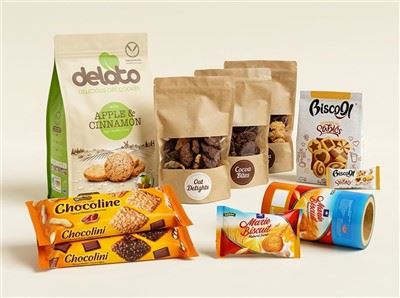
If you’re in the market for fin seal pouches, whether it’s for snacks, hardware, medical stuff, whatever—don’t hesitate to reach out. We’ll walk you through exactly what elasticity works for your product, no jargon, no pressure. We’ll send sample pouches, test them, tweak the design, whatever you need. This isn’t one-size-fits-all, and we know that. At the end of the day, the best pouch is the one that works for you, not some generic spec sheet.
Pharmaceutical Automatic Packaging Roll Film References:
- Soroka, W. (2019). Fundamentals of Packaging Technology. Institute of Packaging Professionals.
- Han, J. (2021). “Flexible Polymer Films for Retail Packaging.” Journal of Packaging Science and Technology.
- American Society for Testing and Materials (ASTM). Standard Test Method for Tensile Properties of Plastics (D638).
Qingdao Senlida Packing Co., Ltd.
Qingdao Senlida Packing Co., Ltd. is one of the most experienced fin seal pouches manufacturers and suppliers in China since 1995. With a professional production team, we are able to meet the needs of the majority of our customers. Please feel free to buy high quality packing products at competitive price from our factory.
Address: No.299 Feichao Road, Luwang Town, Huangdao District, Qingdao, Shandong Province, China.
E-mail: liuxh@qdsenlida.com
WebSite: https://www.senlidapacking.com/
