If you’ve ever priced insulation for a commercial building, a new home addition, or an industrial facility, you’ve probably noticed that rock wool insulation comes with a wider range of price points than fiberglass or spray foam. As a rock wool insulation supplier who’s worked directly with contractors, architects, and building owners for over a decade, I can tell you there’s no one “set price” for this material—and that’s a good thing. The cost of rock wool insulation isn’t random; it’s tied to what makes the material so valuable in the first place: its raw materials, manufacturing process, performance benefits, and even the scale of your project. Understanding these factors isn’t just about budgeting—it’s about making sure you’re paying for a product that will actually solve your building’s needs, rather than overspending on features you don’t need. Rock Wool Insulation
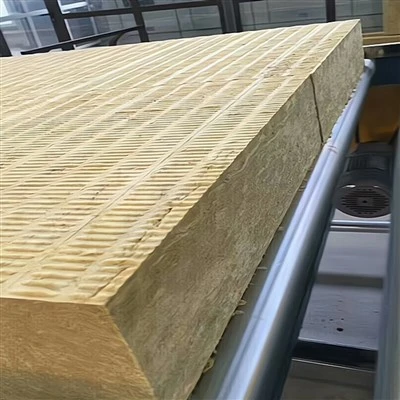
Let’s start with the basics: what rock wool insulation is, for anyone new to the conversation. Unlike fiberglass, which is made from recycled glass and sand, rock wool (also called mineral wool or slag wool, depending on the raw materials used) is manufactured by melting basalt rock (or blast furnace slag, a byproduct of steel production) at temperatures over 2,700°F, then spinning the molten material into fine, wool-like fibers. That high-heat process is why rock wool has its signature properties: fire resistance (it’s non-combustible, rated to withstand 2,000°F for hours), moisture resistance (the fibers repel water, so it doesn’t hold mold or mildew), and sound absorption (it blocks both airborne and impact noise better than most common insulation types). These benefits don’t come without cost, but the price varies widely based on which of these features a supplier prioritizes, and who the end product is intended for.
The most immediate factor shaping rock wool insulation price is the type of raw material used. There are two primary grades of rock wool on the market today: slag wool and basalt-based rock wool. Slag wool uses blast furnace slag, a byproduct from steel mills that’s collected and processed into fibers. This is a more sustainable, lower-cost raw material, so slag wool insulation typically has a lower price point—usually between $1.20 and $1.80 per square foot for a 3.5-inch-thick batt, the standard thickness for exterior wall insulation in most U.S. climates. It still has solid performance: it’s fire-resistant, moisture-resistant, and works well for acoustic insulation. Where it differs is in its thermal performance: basalt-based rock wool has a slightly higher R-value per inch (R-3.3 to R-3.5 per inch, compared to R-3.0 to R-3.2 per inch for slag wool), which means you can use a thinner layer to get the same insulation. That makes basalt-based rock wool popular for space-constrained projects, like retrofitting existing walls where you can’t add extra inches of material. The tradeoff? Basalt is a more expensive raw material, so basalt rock wool insulation costs between $1.80 and $2.50 per square foot for that same 3.5-inch batt. For context, that’s about 20 to 40% more expensive than the average fiberglass batt, which usually runs between $0.70 and $1.50 per square foot, but that price gap shrinks when you account for rock wool’s longer lifespan and lower maintenance.
Next, the form of the insulation itself plays a big role in price. Rock wool comes in three main forms: batts, loose-fill, and rigid boards. Batts are the most common for residential wall, attic, and floor applications—they’re pre-cut to standard sizes, easy for contractors to install, and have minimal waste. That ease of installation keeps batt pricing relatively accessible, as I noted earlier. Loose-fill rock wool, which is blown into attics or wall cavities where space is irregular, tends to be pricier per square foot (between $1.90 and $2.70 per square foot for a 12-inch layer) because the manufacturing process to make fibers loose and easy to blow is more specialized. The biggest price jump comes with rigid rock wool boards, which are used for exterior wall sheathing, roof insulation, and foundation waterproofing. Rigid boards are denser, more durable, and can withstand heavy loads and harsh weather, making them popular for commercial buildings and high-performance residential builds. A 1-inch rigid rock wool board costs between $2.20 and $3.00 per square foot, and thicker boards (used for cold storage warehouses or industrial pipes) can run up to $4 per square foot. It’s important to note that these prices are for the material alone—installation costs add another $0.50 to $1.50 per square foot for batts, $1 to $2 per square foot for loose-fill, and $1.20 to $2 per square foot for rigid boards, depending on project complexity.
Another often-overlooked factor is the certification and performance ratings of the rock wool. Not all rock wool insulation is the same when it comes to meeting building codes or industry standards. For example, in the U.S., insulation used in commercial buildings must meet International Building Code (IBC) requirements for fire resistance and R-value, and in some states, Energy Star certification for residential insulation is required to qualify for tax credits. Rock wool that carries these certifications costs 5 to 15% more than uncertified or generic rock wool, and for good reason: third-party testing ensures the product performs as advertised. We’ve seen customers skip the cheaper uncertified rock wool for residential retrofits, only to have it fail fire safety tests during an inspection, leading to costly rework. At our company, all our rock wool products are tested to meet ASTM standards, IBC fire codes, and carry Energy Star ratings where applicable—this is a feature we don’t mark up heavily for, because we know the peace of mind is worth it for our clients.
Project size and location also impact price, and this is where working directly with a supplier rather than a big-box store makes a big difference. For small residential jobs, like insulating a single attic or 1,000 square feet of wall, rock wool can feel expensive at first glance—you might see a batt for $0.15 per square foot, but that’s often a low-quality slag wool product with a lower R-value. For larger projects, like a 10,000-square-foot office building or a 50,000-square-foot industrial warehouse, bulk pricing cuts that per-square-foot cost by 10 to 25%. Last year, we worked with a general contractor building a 12-story apartment complex in Chicago; they initially priced fiberglass batts, but switched to our basalt rock wool when they calculated the long-term savings. The bulk price we offered them for rigid board exterior insulation came out to $1.90 per square foot, which was only slightly more than fiberglass, but the 12-hour fire rating and moisture resistance meant they didn’t have to install separate fireproofing layers, saving them $30,000 in total project costs. Location also adds to price: rock wool is heavy (one square foot of 3.5-inch batt weighs about 2.5 pounds, compared to 1.5 pounds for fiberglass), so shipping costs are higher for projects in remote areas. We adjust our pricing to account for distance, and we work with local delivery partners to keep those costs as low as possible for our clients.
It’s also critical to talk about hidden costs that many people don’t consider when pricing insulation, because that’s where the real value of rock wool shows up, even if the upfront price is higher. Let’s compare rock wool to fiberglass insulation, for example. A 2,000-square-foot home might cost $1,400 to insulate with fiberglass batts, versus $3,000 with rock wool batts— that’s a $1,600 difference upfront. But fiberglass insulation can lose up to 15% of its R-value over 10 years as it compresses in wall cavities, and it’s prone to mold growth if a wall has a small water leak, which can lead to thousands of dollars in repairs. Rock wool, by contrast, retains 95% of its R-value for its entire 50+ year lifespan, and its moisture resistance means it won’t support mold even if exposed to small amounts of water. For commercial buildings, the cost of downtime from a fire or a mold-related health claim can be catastrophic—rock wool’s fire and mold resistance cuts that risk significantly. We’ve also had clients in cold climates tell us that rock wool’s thermal performance reduced their annual heating and cooling bills by 10 to 15% compared to their previous fiberglass-insulated buildings, adding up to long-term savings that far outweigh the upfront price difference.
When it comes to industrial or specialty applications, rock wool price can go even higher, but that’s for a good reason. For example, rock wool used to insulate steam pipes or process equipment in factories has to withstand extreme temperatures up to 1,200°F, and it’s often custom-sized to fit unique pipe diameters or equipment shapes. These specialty products are manufactured to precise specifications, so they can cost $4 to $6 per square foot, but they’re essential for meeting OSHA safety standards and preventing energy loss from hot pipes. Last year, we worked with a food processing plant that was losing $12,000 a year in energy from uninsulated steam lines; their initial quote for generic pipe insulation was $1.50 per linear foot, but it failed temperature testing after 6 months. We provided custom high-temperature rock wool pipe insulation for $4 per linear foot, and the plant recovered their upfront cost in 8 months from reduced energy bills, plus avoided potential safety fines from OSHA.
I know price is always a top concern, especially for building projects that have tight budgets and strict deadlines. That’s why we don’t just offer a one-size-fits-all price sheet—we work with every client to match the right rock wool product to their specific needs, rather than selling them a more expensive product than they need. For a small residential homeowner insulating a crawl space, we can offer affordable slag wool batts that meet local building codes and keep energy costs low. For a commercial architect designing a high-rise office building, we can recommend basalt-based rigid boards that meet fire safety standards and add long-term durability to the structure. For an industrial facility, we can source and manufacture custom specialty rock wool insulation for pipes, tanks, or equipment at a fair price, with fast delivery to keep projects on track.
One common question we get is whether rock wool is worth the higher price compared to other insulation types, like spray foam or cellulose. Spray foam can cost up to $2 per square foot, similar to basalt rock wool, but it’s more expensive to install and can release harmful chemicals during installation. Cellulose is cheaper, at around $0.50 to $1 per square foot, but it’s less fire-resistant and prone to settling over time. Rock wool hits a middle ground in many cases: it’s more affordable than high-density spray foam, easier to install than loose-fill cellulose, and has better all-around performance than fiberglass. The key is to calculate total cost of ownership, not just upfront material price. A $0.50 per square foot difference in insulation might seem like a lot at first, but if it means lower utility bills, less maintenance, and fewer safety risks over the life of the building, that gap disappears quickly.

At our company, we pride ourselves on being transparent about rock wool insulation pricing, no hidden fees or markup on unnecessary features. We know that every project is different, so we don’t post universal prices online because we don’t want to give inaccurate quotes for remote locations, small projects, or specialty applications. Instead, we work directly with each client to understand their project scope, location, performance needs, and budget, then provide a detailed, itemized quote that breaks down material, delivery, and installation costs. We also offer bulk discounts for large projects, and we work with contractors and building owners to find financing options when needed.
Rubber Insulation If you’re currently researching insulation for a residential, commercial, or industrial project, and you want to get an accurate, no-obligation quote for rock wool insulation, we’re here to help. We have over 15 years of experience working on projects of all sizes, from small home retrofits to large-scale industrial facilities, and we can answer any questions you have about price, performance, and installation. We don’t pressure clients to choose a product that doesn’t fit their needs—we just want to provide reliable, high-quality rock wool insulation at a fair price, so your building is safe, energy-efficient, and built to last.
References
- International Code Council. (2021). International Building Code: Fire Resistance Requirements for Building Insulation.
- U.S. Department of Energy. (2023). Insulation Technical Standards and Performance Ratings.
- Mineral Wool Industry Association. (2022). Rock Wool Manufacturing Processes and Raw Material Specifications.
- OSHA. (2021). Industrial Insulation Safety and Material Standards.
- Energy Star. (2023. Residential Insulation Certification Criteria.
Langfang Yafeng Energy-Saving Technology Co., Ltd.
As one of the most professional rock wool insulation manufacturers and suppliers in China, we have world-leading production equipment and strong manufacturing capabilities. Please feel free to buy high quality rock wool insulation for sale here from our factory. For price consultation, contact us.
Address: Langfang Xinyafeng, Liugezhuang Town, Dacheng County, Langfang City, Hebei Province
E-mail: yafengbaowen@gmail.com
WebSite: https://www.xyfinsulations.com/
