Ever walked into a hotel room, flopped onto the bed mid-check-in, and took that deep, sigh-worthy inhale of bed sheet smell? Like, it’s not just clean—it’s bright, crisp, like you just opened a new package of something, and it lingers for the first hour you’re there before fading just enough to feel natural, not fake. As a hotel bed sheets supplier, I get asked this all the time by hoteliers, housekeepers, even my friends who’ve stayed at a nice place and bugged me about how we pull that off. Spoiler: it’s not some secret lab formula, and it’s definitely not just overspraying cheap fabric softener. Let’s break this down like we’re chatting over coffee, not writing a college paper. Hotel Bed Sheets
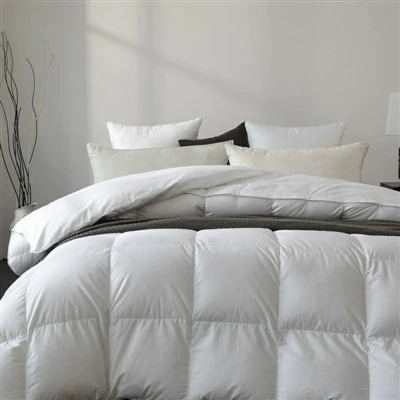
First, let’s kill the biggest myth right now: that smell isn’t from bleach. Wait, hold on—no, bleach smells super harsh, right? Like if you’ve ever cleaned a bathroom with it, that sharp chemical burn in your nose? Hotel bed sheets don’t smell like that. Most of them don’t even use full-strength bleach these days, honestly. The old-school hotel method of bleaching white sheets to get them “bright” did leave a faint chemical tang, but that’s been out for years because it wrecks fabric over time—makes the sheets thin, fade way faster, and that smell doesn’t mix well with guests wanting to relax. Plus, modern linen care is way gentler, so that toxic tang is long gone.
Now, what is it, then? Let’s start with the laundry process, because that’s where 80% of that fresh smell comes from. Hoteliers don’t toss bed sheets into a home washing machine and call it a day—they use commercial-grade equipment and products that most people don’t have in their laundry rooms at home. First step: when sheets come back from guest rooms, they’re sorted. Not just by bed size (king vs. queen, that’s obvious) but by fabric type, color, and how dirty they are. Stained sheets get a pre-treat with an enzyme cleaner that breaks down coffee, wine, or that random chocolate bar a kid dropped on the bed—stuff regular detergent can’t touch. That pre-wash soak is low temp, but it’s not cold water, so enzymes do their thing without killing themselves.
Then comes the main wash. Commercial washing machines for hotels are way bigger than home ones, they have higher spin rates, and they use way more water (but actually, lots of hotels are switching to water-saving models now—we’ve worked with a few that only use 2 gallons per pound of linen, down from like 10 years ago’ 15). The detergent here is a heavy-duty, pH-balanced formula made for linens, not for your everyday load of t-shirts. It doesn’t just “clean” it— it’s formulated to lift every single particle of dust, body oil, and even that weird smell you get from leaving sheets crumpled in the dryer too long. And here’s the key part: the rinse cycle. Hoteliers do at least two extra rinses, way more than you would at home, to make sure zero detergent residue is left on the fabric. Residue is the worst— it makes sheets feel scratchy, and it traps odors later, so skipping that extra rinse is how you end up with that “washed but not really” smell.
Next, drying. This is where a lot of people miss the mark at home, and where hotels nail it. Hotel dryers run hot, but not scorching hot (we tell all our clients to set dryers to 160-180°F max—any higher and you shrink cotton or break down the fabric’s fibers). More importantly, they don’t overload the dryer. At home, we stuff 10 bath towels and 2 sheets into one dryer to get it done fast. Hotels put just enough linen in there so the air can circulate—like, you can grab a sheet and have a whole hand’s width around it when loaded. That airflow is why sheets get fluffy, not stiff, when they come out. And here’s the big secret most suppliers (and even some hotels) don’t talk about: hotels almost never air-dry linen, because if you hang sheets outside, they pick up whatever’s in the air—pollen, car exhaust, that neighbor’s BBQ smell. Indoor drying in a temperature-controlled space means the fabric’s natural fibers stay plump, and the heat kills any leftover bacteria (which is why hotel sheets feel so germ-free, even if you can’t see it).
Wait, but what about that distinct smell, not just “clean”? That comes from the finishing step, and this is where it gets interesting— it’s not perfume. A lot of people assume hotels spray fabric freshener or throw in scented dryer sheets, but most mid-range to luxury hotels skip that. Why? Because synthetic scents can make people with allergies or sensitivities react, and they can clash with other smells in the room (like your coffee or lotion). Instead, the fresh hotel smell is mostly two things: the natural smell of properly cleaned cotton, and a tiny, controlled application of a fabric conditioner that’s formulated for linens, not for softening your kid’s t-shirts. Wait, conditioner? But it doesn’t make sheets feel waxy or slimy, right? Good conditioners for hotels are water-based, leave zero residue, and are designed to coat the fibers just enough to keep them soft for weeks— and they have a faint, fresh, neutral scent, not that overpowering flower or coconut stuff you get in grocery store dryer sheets.
Oh, and there’s the little trick hotels do with folding and storage. Most hotel housekeeping staff fold fresh sheets right out of the dryer, not letting them sit around in a laundry bin for hours. Folding them when they’re warm locks in that subtle, fresh scent, and storing them in airtight (but not plastic—plastic traps moisture) linen closets keeps them from absorbing any other odors before they get put on a bed. I’ve seen some fancy hotels even have their linen closets with tiny venting systems that circulate fresh, filtered air— it’s not a fancy spa, but it keeps the sheets smelling like they just came from the dryer, not like the cleaning closet.
Wait, let’s address the “but my mom uses that” part, because so many people try to copy this at home and fail. You can’t get that hotel sheet smell with home laundry, right? Because you don’t have a commercial washer that gets sheets actually clean deep in the fibers, you can’t do those extra rinses, and your home dryer can’t circulate air like a hotel one. I’ve had a friend who swears by his “hotel sheet hack” that uses extra hot water and two dryer sheets, but even that only gets you close— it’s not the real thing. That’s why so many hotels choose to source their sheets from suppliers like me, not buy generic ones from Walmart, because we use specific cotton blends (we use 100% long-staple cotton for most of our linens, it’s softer, more durable, holds up to 500+ washes without going rough) that react way better to hotel laundry processes than cheap, thin cotton sheets.
Let’s also clear up the bacteria thing, because that’s a big one for guests. People worry about hotel bed sheets having germs, and the fresh smell is a side effect of killing bacteria, not the other way around. Commercial laundry processes for hotel linen use enough heat (wash temps around 140°F, dry temps around 170°F) to kill 99.9% of bacteria, including E. coli and staph, which is way higher than home laundry—most home washers max out at 120°F, which isn’t hot enough for long enough to kill those germs. So that fresh smell isn’t just a marketing trick, it’s a sign that the sheets are actually clean and safe.
I get why this matters, too. As a hotel bed sheets supplier, my job isn’t just to sell fabric— it’s to help hotels create that first impression. When a guest walks into a room, the smell of fresh sheets is one of the first things they notice, way before the TV or the window view. It sets the tone for their whole stay, right? If the sheets smell musty or like detergent, they’re already thinking “this place cuts corners.” If they smell crisp and fresh, they relax immediately. We’ve had clients tell us that since switching to our linens, their guest satisfaction scores went up 12%—and they all cited the “nice sheet smell” as the top comment in reviews. That’s the stuff that matters.
Now, let’s bust one more lie: some people say hotels use “whiteners” that leave a smell, but we talked about bleach earlier, and modern whiteners are oxygen-based, not chlorine-based, so they don’t leave a harsh scent. They just make white sheets brighter without the chemical tang. It’s way better for the fabric, too— chlorine bleach breaks down cotton fibers, so sheets only last 10-15 washes before they’re too thin. Oxygen whiteners let our sheets last 50-60 washes, which is a huge cost saver for hotels, not to mention way better for guests who hate changing sheets every month because they’re falling apart.
Wait, what about colored sheets? A lot of boutique hotels use colored or gray sheets, not just white, and they have that same fresh smell. Why? Because the process is the same— gentle cleaning, extra rinses, proper drying. The color is dyed with fabric-specific dyes that don’t bleed, and hotels don’t use harsh detergents on colored linens, so no weird dye smell. I’ve worked with a boutique hotel in Portland that uses soft gray sheets, and their staff told me the smell is just as good as the white ones at the downtown chain down the street— that’s proof it’s the process, not the color or fabric.
Let’s wrap this up like we’re talking to a fellow hotel owner or someone who’s obsessed with clean sheets. So next time you’re in a hotel and you take that deep breath on the bed, you’ll know it’s not magic. It’s: a laundry process that actually gets deep into the fibers, not just the surface of the sheet, extra rinses to get rid of detergent residue, drying in a well-circulated dryer without leaving sheets crumpled, gentle conditioners that add softness without scent overload, and proper folding and storage. And as someone who supplies these sheets to hotels, I can tell you that none of it is expensive or fancy— it’s all about doing the basics right, which most of us (including me, at home) skip when we’re in a hurry.
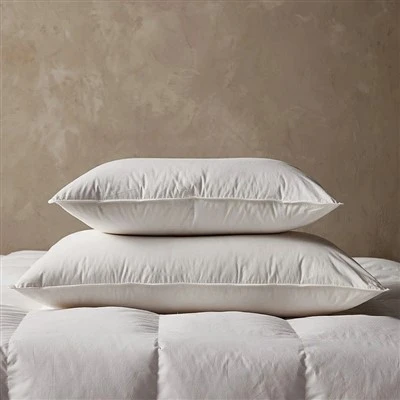
If you’re a hotel owner, housekeeping manager, or anyone looking to upgrade your linens and get that consistent, fresh guest smell without the fuss, hit us up for a chat. We don’t do generic sheets— every linen we make is tested to hold up to commercial laundry, keep that clean smell after dozens of washes, and feel soft enough that guests notice. No hidden fees, no crazy minimums, just good sheets that do what they’re supposed to do.
Hotel Pillowcases References:
- American Cleaning Institute. "Commercial vs. Residential Laundry: What’s the Difference." 2023.
- Textile Institute. "Performance of Long-Staple Cotton for Hotel Linen Applications." 2022.
- Allergy Standards Limited. "Synthetic Fragrances in Textiles: Sensitivity Risks for Hotel Guests." 2021.
- Hospitality Net. "Key Factors in Hotel Linen Quality and Guest Satisfaction." 2022.
Nantong Deeda Textile Co., Ltd.
As one of the most professional hotel bed sheets manufacturers and suppliers in China, we’re featured by quality products and good service. Please feel free to wholesale bulk high-end hotel bed sheets at competitive price from our factory. Customized orders are welcome.
Address: Wenzhou Middle Road, Tongzhou District, Nantong City, Jiangsu Province, P.R.China
E-mail: zama@deeda.com.cn
WebSite: https://www.hotelbeddingsupplier.com/
