Hey pool people, if you’re like me, you probably stared at your stainless steel pool pump a few times and thought, “Wait, am I running this thing at the right speed?” I get it—when I started selling these pumps, I thought flow rate was just a number on a spec sheet. Turned out? It’s make-or-break for how your pool looks, how much you spend on utilities, and even how long that stainless steel pump lasts. As a guy who’s been supplying stainless steel pool pumps for years, I’ve talked to hundreds of pool owners who either run their pump way too hard (wasting cash) or way too slow (turning their pool into a algae soup). Today I’m breaking down what the best flow rate actually is—and why it’s not one-size-fits-all. Stainless Steel Swimming Pool Pump
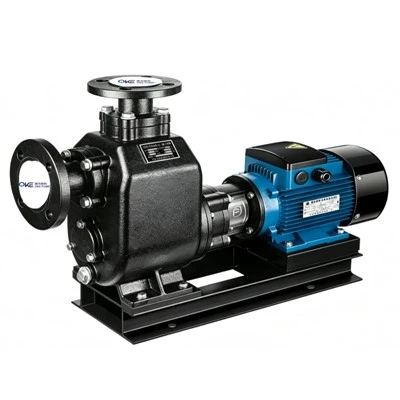
First, let’s cut through the jargon: flow rate is just how many gallons of water your pump moves per minute (that’s GPM, if you want the abbreviation I use with my customers). A lot of people think “more GPM = better,” but nah—your pool’s system (pipes, filter, heater, even the size of your pool) has a sweet spot, and miss it, and you’re throwing money away. Let’s start with the basics: what even is a good baseline for most pools? From what I’ve seen, the rule of thumb I share with everyone is 2-3 full turnovers a day. Wait, turnover means pushing all the water in your pool through the system once. So if you have a 10,000-gallon pool, that means your pump needs to move 20,000-30,000 gallons a day. Let’s do the math: divide that by 1,440 minutes in a day, and that’s about 14-21 GPM. For a 20,000-gallon pool? That’s 28-42 GPM. But here’s the thing—this is just a starting point, not the end-all-be-all.
Why does stainless steel matter here? Unlike the old bronze or plastic pumps that can handle rough speed fluctuations, stainless steel pumps are built to last longer, but they still don’t like running at the wrong flow rate. Run a stainless steel pump way above its rated GPM, and you’re making the motor work overtime. The motor will overheat, the impeller can get damaged from too much pressure, and even the stainless steel casing can develop small leaks from constant strain that you might not notice until it’s a big problem. Run it too slow, though, and your filter isn’t catching dirt, your heater isn’t working right, and you’re gonna have to shock the pool every other week just to keep it clear. I had a customer last summer who ran his stainless steel pump at half the right speed because he wanted to save electricity. His pool turned green in 3 days—had to drain half the water, clean the filter, and even replace a few pool skimmers that got clogged with gunk. Total cost? Way more than the extra $20 a month he “saved” on power. So flow rate isn’t just about efficiency—it’s about keeping your pool functional.
Now, let’s get specific on how to find your pump’s sweet spot. First, check your pool’s total gallons. Don’t guess—measure it! Most pool owners do length x width x average depth x 7.5, but if you have an irregular shape, just count how many bags of salt you use, or call your local pool supply shop if you’re bad at math (no shame, I still use a calculator for that stuff). Once you have that number, stick to the 2-3 turnover rule for regular use. But wait—what if you have a saltwater pool, or a heated pool? Saltwater pools usually need a bit higher flow rate, around 3-4 turnovers, because the salt cell needs the water moving to work properly. Heated pools? You don’t want the water moving too fast because the heater can’t heat it evenly, so stick to 2 turnovers max. I had a saltwater customer who switched to a stainless steel pump and cranked the flow to 50 GPM because he thought it was cleaning better. His salt cell died in 6 months—turned out the high flow was stripping the cell of the necessary sediment it needs to function. That’s the kind of mistake we stop customers from making when we walk them through their setup.
Another big factor: your plumbing. If you have old, small pipes (like 1.5-inch pipes instead of 2-inch), you can’t push as much GPM without losing pressure. A lot of guys buy a big stainless steel pump thinking it’ll move way more water, but if their pipes are too small, they’re just creating friction that wastes power. My advice? Check your pipe size, then look at your pump’s performance curve. Most reputable stainless steel pumps have a curve that shows how GPM connects to head pressure (that’s the force needed to push water through your pipes). If your pump is running at a GPM that’s above the curve’s recommended range, you’re wasting electricity and damaging the pump. I once sold a customer a stainless steel pump that was rated for 40 GPM, but his 1.5-inch pipes could only handle 25 GPM. We swapped the impeller to a smaller one, dropped his flow to 25 GPM, and his power bill went down by $35 a month—he was stoked, said he thought the pump was a dud until we adjusted the impeller.
What about variable speed vs. single speed pumps? Wait, I mostly sell variable speed stainless steel pumps now, and that’s because they make flow rate so much easier. With a single speed, you’re stuck at one GPM, which is either too high or too low for most of the day. Variable speed lets you adjust the flow to exactly what you need. For example, during the day when no one’s in the pool, you can run it at 15 GPM (that’s 2 turnovers for a 10k-gallon pool) to keep the filter clean. At night, when you have pool parties, bump it up to 20 GPM to get the debris out faster. The best part? Variable speed pumps use way less power because you’re not running at full speed all the time. I’ve had customers go from $80 a month power bills to $25 a month just by switching to a variable speed stainless steel pump and setting the right flow rate. That’s not a number—that’s real savings.
Wait, what about common myths? Let’s debunk one right now: “Higher flow rate means better pool cleaning.” No, that’s not true. If your flow is too high, you’re just moving water too fast for the filter to catch small debris—like leaves stuck in the filter pores, or fine dirt. The filter needs a certain amount of time to trap stuff, and too much GPM skips that step. I’ve tested this with my own pool: when I run my variable speed stainless steel pump at 20 GPM, my cartridge filter catches 90% of the debris. When I crank it to 30 GPM, it drops to 70%—all that fine dirt goes back into the pool, and I have to clean the filter twice as often. Another myth: stainless steel pumps need a specific flow rate to prevent corrosion. Actually, stainless steel is corrosion-resistant, but running it at too high a speed can cause the casing to vibrate more, which over time can weaken the welds (if you have a welded stainless steel pump) or cause leaks. We recommend sticking within 10% of the pump’s rated GPM to keep it running smooth.
Let’s talk about what happens if you ignore flow rate. Too high: higher electricity bills, shorter pump life, damaged filter, possible leaks in the pool’s plumbing. Too low: green pool, clogged filters, algae growth, possibly expensive repairs to pool equipment like heaters or salt cells. I had a customer last year who ran his pump at 10 GPM (way too low for his 15k-gallon pool) and got a full algae bloom. He had to pay a pool service $500 to drain and clean the pool, plus replace his pool cleaner that got covered in algae. Total cost? Way more than the $150 he would have spent extra on electricity to run the pump at the right rate. So flow rate is an investment, not a cost.
Now, how do I help customers find their best flow rate? When someone buys a stainless steel pump from me, I don’t just hand them a box and send them on their way. I walk them through three simple steps: 1) Calculate their pool’s total gallons, 2) Check their pipe size and existing plumbing, 3) Ask how they use their pool (saltwater, heated, parties, etc.). For example, a family with a 12k-gallon regular pool, 2-inch pipes, no heater—their best flow rate is 17-24 GPM, which is 2-3 turnovers. A saltwater pool of the same size? 21-28 GPM. A heated pool? 17-20 GPM. It’s that simple. I also give them a quick tip: test the flow rate with a bucket and a stopwatch. Take a hose that’s connected to your return line, fill a 5-gallon bucket, time how long it takes. If it takes 15 seconds, that’s 20 GPM (60 seconds /15 =4, 4×5=20). That’s a way to check without any fancy tools.
Wait, what about winter? A lot of people turn their pump down in the winter, and that’s fine—but don’t turn it off completely. For most stainless steel pumps, running at 5-10 GPM during winter to keep the water moving prevents freezing pipes. Freezing is a big one—if your water stops moving, it can expand in the pipes, crack them, and even freeze the pump’s impeller. I had a customer a few years ago who turned his pump off for the winter, his pipes froze, and he had to replace every pipe in his pool plus the pump. Total cost was over $2,000. Just a low flow rate in winter saves that kind of headache.
Now, why choose a stainless steel pump for this? A lot of guys go with plastic pumps because they’re cheaper, but they can’t handle the same flow rate adjustments. Stainless steel pumps are built to handle variable speed changes, pressure fluctuations, and last 2-3 times longer than plastic or bronze pumps. So when you’re setting your flow rate, a stainless steel pump gives you more flexibility. You can adjust it without worrying about damaging the pump, which is huge for saving money in the long run.
Let me wrap this up with a quick recap: the “best” flow rate isn’t a random number—it’s based on your pool size, plumbing, and how you use your pool. For most regular pools, that’s 2-3 full turnovers a day (14-21 GPM for 10k gallons, 28-42 GPM for 20k gallons). Adjust up if it’s a saltwater pool, adjust down if it’s heated or small pipes. Avoid the myths: more GPM isn’t better, and stainless steel pumps work best when you stay close to their rated range. Running the right flow rate saves you money on electricity, extends your pump’s life, and keeps your pool clear all summer.
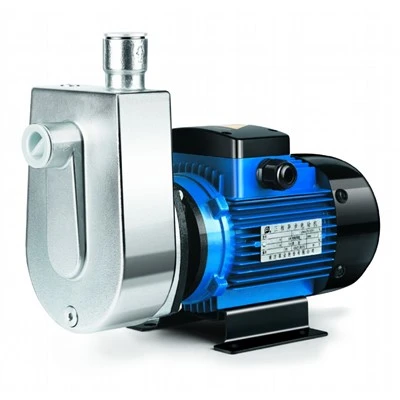
If you’re not sure what flow rate is right for your pool, or you’re thinking about upgrading to a stainless steel pump, don’t hesitate to reach out. I can help you figure out exactly what you need, no jargon, no hard sell. Whether you need a single speed or variable speed, I’ve got the stainless steel pumps built to handle your pool’s needs, so you can stop wasting cash and start enjoying your pool.
Self-priming Pump References
- Pool Corporation. (2022). Residential Pool Pump Efficiency Guidelines.
- American National Standards Institute. (2021). Standards for Pool Pump Performance.
- Swimming Pool and Spa Association. (2023). Best Practices for Flow Rate and Pool Maintenance.
Hangzhou Nanfang Ouke Pump Industry Co., Ltd.
As one of the most experienced stainless steel swimming pool pump manufacturers in China, we have world-leading production equipment and strong manufacturing capabilities. Please feel free to wholesale bulk customized stainless steel swimming pool pump from our factory. Welcome to contact us for pricelist.
Address: No.46, Renhe Subdistrict, Yuhang District, Hangzhou City
E-mail: Gy656169@outlook.com
WebSite: https://www.oukegroup.com/
