If you’ve ever stood in a manufacturing lab, a food processing facility, or a pharmaceutical production line, chances are you’ve stared at a spool of silicone tubing without even realizing it. As someone who’s supplied silicone tubing for over a decade, I get asked one question more than any other: “Is silicone tubing resistant to chemicals?” It’s a fair question—after all, the wrong tubing choice can turn a routine process into a messy, expensive disaster, or even worse, compromise product safety. I’ve seen it happen, too: a startup in the biotech space once switched from our silicone tubing to a cheaper alternative that reacted with their cell culture media, costing them months of research and tens of thousands of dollars. That’s why I’m breaking down the science behind silicone’s chemical resistance, what it can handle, what it can’t, and how to pick the right tubing for your specific needs. Silicone Tubing
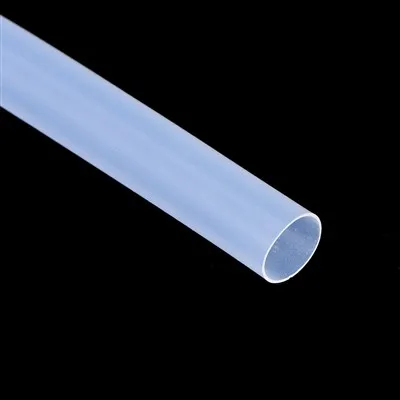
First, let’s get one thing straight: silicone isn’t a plastic. It’s a synthetic polymer made of silicon, oxygen, carbon, and hydrogen atoms arranged in a long chain—think of it as a flexible, rubbery backbone with methyl groups hanging off the sides. This molecular structure is the key to almost every property silicone has, from its heat resistance to its chemical stability. Unlike plastic polymers, which have carbon backbones, silicone’s Si-O bond is way stronger. The energy required to break a Si-O bond is around 452 kJ per mole, compared to just 357 kJ per mole for a carbon-carbon bond. That might sound like jargon, but what it means in real terms is that silicone is far less likely to react with most chemicals that would eat through PVC, polyethylene, or other common tubing materials.
But don’t let that make you think silicone is invincible. No material is, and chemical resistance isn’t one-size-fits-all. Silicone’s chemical resistance falls into two main categories: resistance to aqueous chemicals (water-based solutions, acids, bases, salts) and resistance to organic chemicals (solvents, oils, fuels, hydrocarbons). That’s where a lot of people get tripped up. For example, silicone tubing will handle dilute hydrochloric acid (the stuff in drain cleaner, but at low concentrations) no problem, but it swells and breaks down when exposed to concentrated toluene or hexane. Let’s walk through the specifics of what silicone does handle, because that’s the part that matters most for our clients.
When it comes to aqueous chemicals, silicone is a rockstar. It’s inert to most water-based solutions, which is why it’s used for everything from transferring drinking water to running dialysis lines. I’ve supplied tubing for a municipal water treatment plant that uses our silicone lines to carry flocculants and pH-adjusting chemicals, and after five years of continuous use, there’s zero sign of degradation—no cracking, no leaching, no discoloration. That inertness also makes silicone the go-to for pharmaceutical and biotech applications. The FDA and USP Class VI certifications that our tubing carries mean it won’t leach harmful chemicals into your product, even when in contact with sterile saline, cell culture media, or IV solutions. I once had a client in the vaccine manufacturing space switch to our silicone tubing because their previous tubing was leaching plasticizers that ruined their batch. Since making the switch six years ago, they haven’t had a single quality issue related to tubing.
Silicone also stands up well to dilute acids and bases. Think of things like 10% acetic acid (vinegar is around 5% for reference), 5% sodium hydroxide (common in cleaning products), or even mild bleaches used for sanitizing. We’ve tested our tubing against these solutions at 25°C (room temperature) and even 60°C for extended periods, and the tensile strength, flexibility, and chemical makeup stay consistent. That’s why it’s perfect for food and beverage applications—breweries use it to transfer beer and sanitizing solutions between tanks, and wineries use it for wine fermentation lines. Alcohol, in moderate concentrations, isn’t a problem either. Our tubing handles ethanol up to 50% easily, which is why it’s used for everything from mixing alcoholic beverages to manufacturing hand sanitizer.
Now, the flip side. Where silicone’s chemical resistance starts to fall short is with strong, non-polar organic solvents. If you’re working with toluene, xylene, hexane, acetone, or gasoline, silicone tubing is not your best choice. These solvents break down the methyl groups on silicone’s molecular chain, causing the tubing to swell, soften, or even dissolve over time. I learned this the hard way early in my career. A client in the paint industry once ordered silicone tubing from a competitor to transfer solvent-based paint thinner. Within two weeks, the tubing swelled so much that it burst, spilling thousands of gallons of paint across their factory floor. That incident taught me to always ask clients about the specific chemicals they’re using, not just if they need chemical resistance. We now have a team of technical specialists who walk through every application with clients to make sure we recommend the right material, even if that means pointing them to something else if silicone isn’t a fit.
Another area where silicone has limited resistance is with strong oxidizing agents. Concentrated hydrogen peroxide (above 30%), peracetic acid, or nitric acid at high concentrations can damage silicone over time. These chemicals attack the Si-O backbone, breaking it down and causing the tubing to become brittle and crack. That doesn’t mean silicone is out for sanitizing applications, though. Most food and pharmaceutical facilities use 3% or 6% hydrogen peroxide for surface sanitizing, and silicone handles that easily. We even test our tubing with 10% hydrogen peroxide during our quality control process to make sure it holds up to regular cleaning and sanitization cycles. The key here is concentration and temperature—higher temperatures and stronger chemicals will speed up degradation, no matter what material you use.
Wait, let’s also talk about factors that affect chemical resistance beyond the chemical itself. Temperature is a huge one. Silicone is stable from around -60°C to 230°C, but at higher temperatures, its chemical resistance drops. A solution that it handles fine at room temperature might start to react if it’s being pumped at 150°C. We had a client in the automotive parts industry try to use our silicone tubing to transfer hot engine coolant at 180°C, and after a month, the tubing started to deteriorate. Turns out, the coolant had a few additives that reacted with silicone at that high temperature, and the heat accelerated the process. We ended up recommending a specialty EPDM tubing for that application, and it’s been working perfectly ever since.
Another factor is exposure time and pressure. If you’re moving a chemical through tubing at low pressure for a few hours, that’s very different from pumping it continuously at high pressure for years. Even chemicals that silicone is generally resistant to can cause issues over long periods of high-pressure flow. We test all our tubing under both static and dynamic conditions, because real-world use isn’t just leaving tubing in a bucket of chemical—it’s flowing through it under pressure. That’s a service we provide to a lot of our clients: we can test their specific chemicals and operating conditions in our lab to confirm how the tubing will perform before they place a large order.
I know a lot of clients come to us comparing silicone to other materials, so let’s do a quick comparison to clear up confusion. PVC tubing is cheaper, but it leaches plasticizers and has poor heat resistance. Polyethylene (PE) is good for non-polar solvents but breaks down in high heat and doesn’t handle water-based chemicals as well as silicone. Teflon (PTFE) is more chemically resistant than silicone, but it’s stiffer, more expensive, and can leach chemicals at high temperatures. Silicone hits a sweet spot for most applications where chemical resistance, flexibility, safety, and heat stability are all important. It’s not the best choice for every job, but for 70% of the industrial, food, pharma, and biotech applications we work with, it’s the perfect fit.
Let me give you a real example of how this works in practice. Last year, we worked with a client that makes natural skincare products. They needed tubing to transfer plant-based oils, essential oils, and mild preservatives between their mixing tanks. They initially thought they needed Teflon because essential oils are organic, but when we tested their specific oils in our lab, we found that they were mild enough that silicone handled them perfectly. We supplied our platinum-cured silicone tubing, which is free of any additives or plasticizers, so it didn’t contaminate their skincare products. They’ve been using it for over a year now, with zero issues, and saved 30% compared to using Teflon. That’s the kind of match we love making—matching the right tubing to the exact application to save our clients time, money, and hassle.
So, to circle back to the original question: Is silicone tubing resistant to chemicals? The answer is, it depends. It’s highly resistant to most water-based solutions, dilute acids and bases, alcohol, and many mild organic compounds. It’s not resistant to strong non-polar solvents like toluene or hexane, concentrated oxidizing agents, or high-temperature harsh chemicals. The key is knowing your specific application: what chemical are you transferring, what’s its concentration, what’s the temperature, and how long will the tubing be in use?
At the end of the day, chemical resistance isn’t just about the material—it’s about working with a supplier who knows the ins and outs of silicone and can help you navigate the options. That’s what we’ve built our business on over the last decade. We don’t just sell tubing; we partner with clients to make sure they get the right product for their needs, no matter what industry they’re in. Whether you’re a small biotech startup testing cell cultures or a large food processing plant running 24/7 production, we have the expertise to recommend the right silicone tubing, and we back it up with testing and quality guarantees.
If you’re working on a project and wondering if silicone tubing is right for your chemical application, or if you have questions about chemical compatibility, we’re here to help. Our team of technical specialists can walk through your needs, answer any questions you have, and help you pick the best solution for your operation.
Silicone Extrusion Reference:
- Society of the Plastics Industry. (2021). Silicone Elastomers for Industrial Applications: Chemical Resistance Guidelines.
- U.S. Food and Drug Administration. (2022). Title 21 CFR Part 177.2600: Rubber Articles Used as Components of Food Contact Surfaces.
- ASTM International. (2020). Standard Test Method for Chemical Resistance of Elastomeric Seals and Tubing.
- Dow Chemical. (2019). Silicone Polymers: Properties and Chemical Compatibility.
- National Sanitation Foundation. (2021). Standard 51: Food Equipment Materials.
Dongguan Hengyue New Material Technology Co., Ltd.
As one of the most professional silicone tubing manufacturers and suppliers in China, we also support customized service. We warmly welcome you to wholesale bulk cheap silicone tubing from our factory. If you have any enquiry about quotation and free sample, please feel free to email us.
Address: Building 2, No.3, Yindou Third Road, Qingxi Town, Dongguan City, Guangdong Province
E-mail: dghengyue@126.com
WebSite: https://www.hengyuesilicone.com/
