Hey everyone, thanks for stopping by. I’m gonna keep this real—running a wood pulp fluff pulp supplier means I get hit with all kinds of customer demands every single day. One minute a big diaper brand wants ultra-absorbent, super soft stuff for premium baby products, and the next a eco-focused personal care company needs a bleached, compostable blend that checks every green box. Let’s be honest, if you try to serve everyone the same fluff pulp, you’ll end up falling flat. I’ve learned a ton over the years about meeting these diverse needs, and I want to share what actually works—not the stuff you read in some stuffy industry report. Wood Pulp Fluff Pulp

First off, let’s talk about what makes fluff pulp different from regular paper pulp. Fluff pulp isn’t just pulped wood; it’s processed to be super loose, absorbent, and easy to break down into those soft, fluffy sheets people know. But customers don’t care about that technical jargon when they’re grabbing a pallet from you. They care about how it performs for their specific product. For example, a baby diaper maker needs pulp that locks in wetness fast without feeling scratchy against delicate skin. A feminine hygiene product brand might prioritize quick wicking to keep things dry all day. And industrial users—like folks making wipes for heavy-duty cleaning—need something tougher, more durable. So the first rule I live by: stop assuming one size fits all.
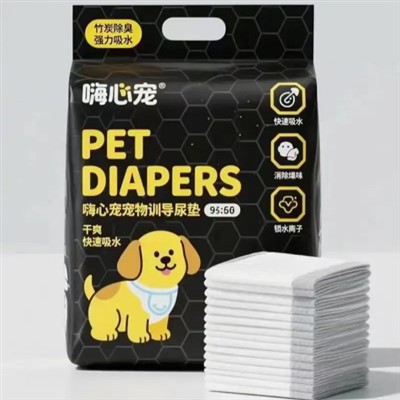
A big mistake I see a lot of small suppliers make is not asking enough questions upfront. I used to just quote the standard grade, and then get a call a week later saying, “This isn’t what we need.” Now I start every conversation with a checklist that’s casual, not a formal survey. Like, I’ll shoot a text (yep, even B2B uses texts now) to the contact: “Quick question—what’s the main use case for the pulp? Any specific texture or absorbency targets? And are there any environmental boxes you need to tick?” That simple stuff cuts out so much guesswork. Last month, a customer reached out saying they needed pulp for eco-friendly pet pads that had to compost in 90 days. Turns out, their previous supplier was using a mix that didn’t break down fast enough, so we switched them to a certified unbleached hardwood fluff pulp that we source from sustainable, FSC-certified forests. They saved their whole supply chain, and we locked in a long-term contract. That’s the kind of win you can only get by asking the right questions, not just pushing your inventory.
Next up, being flexible with pulp blends is a game-changer. A lot of people don’t know that you don’t have to stick to 100% one type of wood. We work with softwood and hardwood fibers, and blending them lets us tweak the exact properties a customer needs. Let’s break that down: softwood fibers are long, so they make the pulp super strong—great for heavy-duty cleaning wipes that don’t tear when wet. Hardwood fibers are shorter, so they’re softer and more absorbent—perfect for baby diapers or facial wipes. A lot of customers don’t realize they can mix both, so we’ll create custom blends just for them. Last quarter, a customer who makes premium facial tissue wanted something that’s both extra soft and has enough strength to not fall apart when wiping. We did a 70% hardwood, 30% softwood blend, tested it with them, and it’s been their go-to ever since. Without that blending option, we would’ve missed out on that business.
But here’s the thing: blending only works if you have access to different fiber sources. I don’t rely on one single wood supplier. We partner with mills across North America and even a few in Europe that specialize in different fiber types. That way, if a customer needs a large order of softwood-dominant pulp, we don’t have to tell them “we’re out” and lose the sale. We also keep safety stock of the most common blends, but we can pivot fast for custom ones. Wait, and let’s not forget about chemical additives—some customers need pulp with things like lotion additives for personal care products, or odor control additives for pet pads. We work with a small network of certified additive partners who can apply the right amount without ruining the fluff pulp’s absorbency. It’s a extra step, but it’s what makes us stand out from the big suppliers who only do generic grades.
Now, the big one: sustainability demands are not going away, and they’re way more diverse than people think. Some customers just want the pulp to be FSC-certified, others need it to be totally chlorine-free (TCF), and a few even want post-consumer recycled (PCR) pulp. But here’s the catch—PCR fluff pulp isn’t as easy to get as virgin pulp, and it doesn’t always perform the same. A lot of suppliers will just sell you whatever PCR pulp they have, but that can be inconsistent. We tested a bunch of PCR blends last year, and found a way to process recycled paper into fluff pulp that has similar absorbency and softness to virgin. We also make sure all our sustainable options are third-party certified, so customers don’t have to take our word for it. Last year, a major retail brand hit us up because their previous supplier couldn’t offer both recycled and FSC-certified pulp. We did both for them, and they moved 80% of their fluff pulp business to us. That’s how you win when sustainability is non-negotiable.
But even if you get the product right, you have to nail the delivery and consistency. I’ve had customers tell me they loved the first shipment, but the second was way too dry or had inconsistent texture. That’s a killer for fluff pulp, because even a small change in moisture content can mess up how it processes on their production line. So we track every batch from the mill to the warehouse—we check moisture levels, fiber length, and cleanliness at every step. We also send free sample batches before a big order, so customers can test it on their machines first. Last year, a customer almost switched suppliers because a few batches were too lumpy, but we fixed our warehouse handling process (we added a new screening machine) and sent them three test batches. They approved, and now they’re one of our most loyal customers. Consistency isn’t flashy, but it’s what keeps people coming back.
Let’s talk about handling small-scale vs. big customers. A lot of suppliers either only cater to huge brands with 100-ton orders, or only do small craft orders. We do both, and that’s been huge. Some small, local brands making niche products (like organic baby wipes for a single region) don’t need 50-ton shipments—they only need 5 tons a month. If you can offer small, flexible orders without jacking up the price, you’ll lock in those smaller customers who might grow into big ones. One of our oldest small customers is a company that makes reusable cloth wipes—they started with 2 tons a year, and now they’re at 15 tons, thanks to us being able to adjust their orders whenever they need. On the flip side, we can handle 200-ton orders for big multinational brands, as long as we plan ahead with our mill partners. It’s all about not putting all your eggs in one basket when it comes to order sizes.
Wait, and don’t sleep on after-sales support. If a customer has an issue with a shipment, we don’t make them jump through hoops to get a replacement or a refund. Last month, a customer had a shipment that got a little too wet during shipping (thanks to a rain delay on the truck). We picked it up the next day, dried it in our warehouse with a special low-heat machine, and delivered a fresh batch the same week. That cost us a few hundred bucks, but they told us that’s the best customer service they’ve ever had. Now they refer all their industry friends to us. People remember how you fix mistakes way more than how things go right the first time.
Let’s wrap this up with what I’ve learned after 10 years in this game. The key isn’t to have one “perfect” fluff pulp—it’s to have the flexibility to tailor what you offer to each customer’s exact needs. Ask the right questions, work with multiple fiber sources, offer custom blends, nail sustainability certifications, keep your product consistent, handle all order sizes, and don’t cut corners on after-sales. That’s how you stand out in a space where a lot of suppliers just copy what the next guy is doing.
If you’re a brand that’s been struggling to find a fluff pulp supplier that actually gets your needs—whether you’re a small local shop or a big global company—hit me up. We can talk through your requirements, send over a custom sample, and figure out what works for you. No sales pitches, no stuffy meetings—just straight talk about what we can do to help.
Food Packaging Paper/ Food Packing Paper References:
- Forest Stewardship Council (FSC). (2023). Fluff Pulp Sustainability Guidelines.
- International Cellulose Corporation. (2022). Technical Report on Fluff Pulp Blending Properties.
- Task Group on Sustainable Fluff Pulp. (2023). Consumer Demand Trends for Specialty Fluff Pulp Grades.
- American Forest & Paper Association. (2022). Moisture Content Standards for Fluff Pulp Shipments.
- European Hygienic Engineering & Design Group. (2023). Eco-Friendly Fluff Pulp Performance Specifications.
Senzo New Material Group Co., Ltd.
As one of the most professional wood pulp fluff pulp manufacturers and suppliers in China, we also support customized service. Please rest assured to buy high quality wood pulp fluff pulp made in China here from our factory. For price consultation, contact us.
Address: Dongying Bonded Area, Shandong, P. R. China
E-mail: info@aonuochina.cn
WebSite: https://www.senzopaper.com/
