Hey there! As a supplier of Face Mill Cutter Heads, I’m super stoked to chat with you about how to match machine tool accuracy with these awesome cutter heads. It’s a topic that’s close to my heart and one that can make a huge difference in the quality of your machining work. Face Mill Cutter Heads
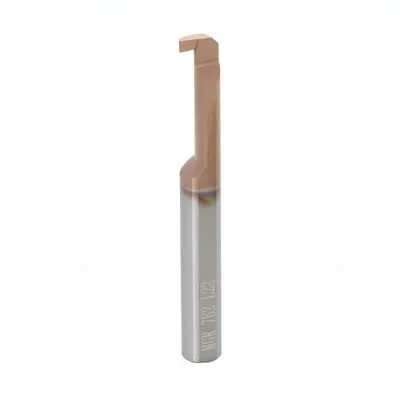
So, let’s start with the basics. What exactly is machine tool accuracy? Well, it’s all about how precisely a machine tool can perform its operations. This includes things like how well it can position the cutting tool, how accurately it can control the feed rate, and how consistent it is in producing parts that meet the specified dimensions.
On the other hand, face mill cutter heads are designed to remove material from the surface of a workpiece. They come in all shapes and sizes, and each type has its own unique set of features and benefits. But no matter which type you choose, the goal is always to get the cleanest, most precise cut possible.
Now, the big question is: how do we make sure that the machine tool accuracy and the face mill cutter head are a perfect match? Here are some key factors to consider.
1. Spindle Accuracy
The spindle is like the heart of the machine tool. It’s responsible for rotating the cutter head, and its accuracy can have a major impact on the quality of the cut. A spindle with high runout (the amount of deviation from a perfect circle) can cause the cutter head to wobble, resulting in uneven cuts and poor surface finish.
When choosing a face mill cutter head, it’s important to make sure that it’s compatible with the spindle’s accuracy. For high-precision machining, you’ll want a cutter head that can handle a low runout spindle. Some cutter heads are designed with special features, like precision-ground shanks or self-centering mechanisms, to help reduce the effects of spindle runout.
2. Tool Holding System
The tool holding system is what keeps the cutter head securely attached to the spindle. A loose or inaccurate tool holding system can lead to vibrations, which can in turn cause poor surface finish and premature tool wear.
There are several types of tool holding systems available, including collet chucks, hydraulic chucks, and shrink fit holders. Each type has its own advantages and disadvantages, and the choice depends on factors such as the type of machining operation, the size of the cutter head, and the required accuracy.
For example, collet chucks are relatively inexpensive and easy to use, but they may not provide the same level of accuracy as hydraulic chucks or shrink fit holders. Hydraulic chucks, on the other hand, offer excellent clamping force and accuracy, but they can be more expensive and require special equipment for installation and maintenance. Shrink fit holders are known for their high accuracy and rigidity, but they also require a special heating and cooling process for tool changeover.
3. Cutting Parameters
The cutting parameters, such as cutting speed, feed rate, and depth of cut, also play a crucial role in matching machine tool accuracy with face mill cutter heads. These parameters need to be carefully selected based on the material being machined, the type of cutter head, and the desired surface finish.
If the cutting speed is too high, the cutter head may overheat, leading to premature tool wear and poor surface finish. On the other hand, if the cutting speed is too low, the machining time will be longer, and the surface finish may still not be ideal. The feed rate also needs to be adjusted properly to ensure that the cutter head is removing material efficiently without causing excessive wear.
The depth of cut is another important parameter. A too large depth of cut can put too much stress on the cutter head and the machine tool, leading to vibrations and poor accuracy. A too small depth of cut, on the other hand, may result in inefficient machining and a longer cycle time.
4. Workpiece Material
The type of workpiece material can also affect the choice of face mill cutter head and the matching of machine tool accuracy. Different materials have different hardness, toughness, and machinability characteristics, which require different cutter geometries and cutting parameters.
For example, when machining hard materials like stainless steel or titanium, you’ll need a cutter head with a high-strength carbide insert and a sharp cutting edge. These materials also tend to generate a lot of heat during machining, so you’ll need to use a coolant to keep the cutter head and the workpiece cool.
On the other hand, when machining softer materials like aluminum or brass, you can use a cutter head with a larger rake angle and a higher feed rate. These materials are easier to machine, but they can also be more prone to burring, so you’ll need to choose a cutter head that’s designed to reduce burring.
5. Machine Tool Rigidity
The rigidity of the machine tool is another important factor to consider. A rigid machine tool can better withstand the cutting forces generated by the face mill cutter head, resulting in more accurate and consistent machining.
If the machine tool is too flexible, it may vibrate during machining, which can cause poor surface finish, tool wear, and even damage to the machine tool. To improve the rigidity of the machine tool, you can use techniques such as upgrading the machine’s structure, adding dampening materials, or optimizing the cutting parameters to reduce the cutting forces.
6. Tool Inspection and Maintenance
Finally, regular tool inspection and maintenance are essential for ensuring that the face mill cutter head continues to perform at its best and remains well-matched with the machine tool accuracy.
Inspect the cutter head regularly for signs of wear, such as chipped or worn inserts, cracked bodies, or loose connections. Replace any worn or damaged parts immediately to prevent further damage to the cutter head and the workpiece.
Also, make sure to follow the manufacturer’s recommendations for tool maintenance, such as cleaning the cutter head after each use, lubricating the moving parts, and storing the cutter head in a proper environment.
So, there you have it! These are some of the key factors to consider when matching machine tool accuracy with face mill cutter heads. By taking these factors into account, you can ensure that you’re getting the most out of your cutter heads and achieving the highest quality machining results.
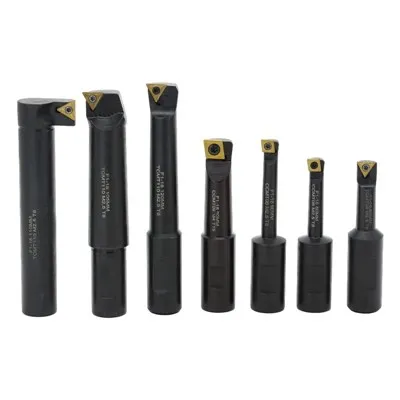
If you’re in the market for top-quality face mill cutter heads, I’d love to hear from you! I have a wide range of cutter heads to choose from, all designed to meet the highest standards of accuracy and performance. Whether you’re working on a small-scale project or a large industrial application, I’m confident that I can find the right cutter head for your needs.
Face Mill Cutter Heads Feel free to reach out to me if you have any questions or if you’d like to discuss your specific requirements. I’m here to help you make the best choice for your machining operations and to provide you with the support and expertise you need to succeed.
References
- Machining Handbook, Various Editions
- Cutting Tool Engineering Magazines, Multiple Issues
- Industry – Specific Research Papers on Face Milling and Machine Tool Accuracy
Small Craftsman (Shandong) Machine & Tools Co., Ltd.
Small Craftsman (Shandong) Machine & Tools Co., Ltd. is one of the most experienced face mill cutter heads manufacturers and suppliers in China, also supports customized service with low price. Please feel free to buy bulk high quality face mill cutter heads in stock here from our factory. Contact us for pricelist.
Address: No.9 Quanxin Rd., Sishui Economic Developing Zone, Jining, Shandong, China.
E-mail: 6196@ocutchina.com
WebSite: https://www.ocutooling.com/
