Pullulan capsules have gained significant popularity in the pharmaceutical and nutraceutical industries due to their numerous advantages, such as being vegan – friendly, having good oxygen barrier properties, and being chemically stable. As a pullulan capsule supplier, ensuring the quality of our products is of utmost importance. Detecting defective pullulan capsules is a crucial step in maintaining high – quality standards and meeting customer expectations. In this blog, I will share some effective methods to detect defective pullulan capsules. Pullulan Capsules
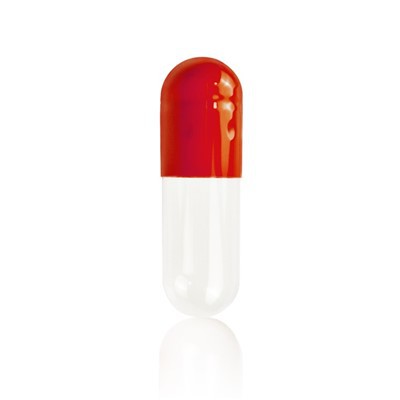
Visual Inspection
Visual inspection is the most basic yet effective way to detect defective pullulan capsules. It should be performed under appropriate lighting conditions, typically with a white light source and an intensity of around 1000 – 1500 lux. This allows us to easily spot the most obvious defects.
Appearance and Shape
First, check the general appearance of the capsules. Good pullulan capsules should have a smooth, even, and unblemished surface. Any cracks, chips, or scratches on the capsule body or cap are clear signs of defects. These physical damages can compromise the integrity of the capsule, leading to potential leakage of the filling.
In addition to surface integrity, the shape of the capsules is also critical. Capsules should be firmly closed and have a consistent and proper shape. Any signs of deformation, such as bulging, collapsing, or misshapen capsules, may indicate a problem in the manufacturing process. For example, if the capsules are not properly dried during production, they may be more prone to collapsing.
Color Consistency
Pullulan capsules usually have a uniform color. Any significant color variations, such as discoloration or the presence of dark or light spots, can suggest issues. Discoloration may be due to improper storage conditions, exposure to high temperatures, or chemical reactions during the manufacturing process. For instance, if the capsules are stored in a humid environment, they may absorb moisture, which can lead to discoloration over time.
Dimensional Measurement
Precise dimensional measurement ensures that pullulan capsules meet the specified standards. Deviations in size can affect the filling process and the overall performance of the capsules.
Length and Diameter
Using a micrometer or a caliper, we can measure the length and diameter of the capsules. The measurement should be taken at multiple points along the capsule to account for any possible variations. For example, if the diameter of a capsule is too large, it may not fit properly into the filling machinery, causing filling difficulties. On the other hand, if the length of the capsule is inconsistent, it may lead to improper dosing of the filling.
Wall Thickness
Wall thickness is another important parameter. A consistent wall thickness is essential for maintaining the mechanical strength of the capsules and ensuring uniform dissolution. Ultrasonic thickness gauges can be used to measure the wall thickness non – destructively. Variations in wall thickness can affect the dissolution rate of the capsule in the digestive tract. If the wall is too thin in some areas, the capsule may dissolve too quickly, releasing the filling prematurely.
Dissolution Testing
Dissolution testing is a key method to evaluate the quality of pullulan capsules. It simulates the conditions in the human digestive system to determine how quickly and completely the capsules dissolve.
Apparatus and Procedure
We typically use a dissolution tester, which consists of a vessel filled with a dissolution medium (such as simulated gastric fluid or simulated intestinal fluid) and a paddle or basket to stir the medium. The capsules are placed in the dissolution medium, and the temperature is maintained at around 37°C, which is close to the human body temperature. Samples are taken at regular intervals to measure the amount of the active ingredient released from the capsule.
Acceptance Criteria
The dissolution rate should meet the pre – defined acceptance criteria. For example, in the case of immediate – release pullulan capsules, a certain percentage of the active ingredient should be released within a specified time frame, usually 30 – 45 minutes. If the dissolution rate is too slow or too fast, it may indicate a defect in the capsule formulation or manufacturing process.
Moisture Content Analysis
Moisture content can significantly affect the quality and stability of pullulan capsules. Excessive moisture can lead to capsule softening, sticking together, and microbial growth, while low moisture content can make the capsules brittle and prone to cracking.
Karl Fischer Titration
Karl Fischer titration is a widely used method for accurately measuring the moisture content in pullulan capsules. This method is based on the reaction between water and iodine in the presence of sulfur dioxide and a base. A small sample of the capsules is taken and dissolved in a suitable solvent, and then titrated with a Karl Fischer reagent. The amount of reagent consumed is proportional to the moisture content in the sample.
Loss on Drying
Loss on drying (LOD) is another simple and commonly used method. A known weight of the capsules is placed in an oven at a specific temperature (usually around 105°C) for a certain period of time. The weight loss after drying is measured, and the moisture content is calculated as a percentage of the original weight.
Leakage Testing
Leakage testing is crucial to ensure that the pullulan capsules are properly sealed and can prevent the leakage of the filling.
Dye Penetration Test
In the dye penetration test, the capsules are immersed in a solution containing a colored dye, such as methylene blue. After a certain period of time, the capsules are removed and washed. If there are any leaks in the capsules, the dye will penetrate into the capsule interior, and this can be easily observed under a microscope or by the naked eye.
Vacuum Testing
Another method is vacuum testing. The capsules are placed in a vacuum chamber, and the pressure is reduced. If there are leaks in the capsules, air will enter the chamber, causing a change in pressure. This change in pressure can be detected using a pressure sensor, and the defective capsules can be identified.
Microbiological Testing
Microbiological contamination can pose a serious risk to the safety and efficacy of pullulan capsules. Therefore, microbiological testing is an essential part of the quality control process.
Total Aerobic Microbial Count
The total aerobic microbial count measures the number of viable aerobic microorganisms in the capsules. A sample of the capsules is taken and dispersed in a suitable medium. The medium is then incubated at an appropriate temperature for a specific period of time, and the number of colonies formed is counted. The results are compared with the pre – defined limits to determine if the capsules meet the microbiological quality standards.
Yeast and Mold Count
Yeast and mold can also grow on pullulan capsules, especially in the presence of moisture. Similar to the total aerobic microbial count, a sample of the capsules is tested for the presence of yeast and mold. The sample is incubated on a medium selective for yeast and mold, and the colonies are counted after a certain incubation period.

As a pullulan capsule supplier, we are committed to providing the highest – quality products to our customers. Through rigorous quality control methods, including the ones mentioned above, we can effectively detect defective pullulan capsules and ensure that only the best products reach our customers.
Vegetable Capsules If you are in the market for high – quality pullulan capsules and are interested in discussing your specific requirements, we would be delighted to engage in a procurement discussion with you. Our team of experts is ready to answer all your questions and provide you with the best solutions for your needs.
References
- European Pharmacopoeia, 10th Edition. Council of Europe, Strasbourg.
- United States Pharmacopeia (USP) 43 – NF 38. United States Pharmacopeial Convention, Rockville, MD.
- Pharmaceutical Dosage Forms: Tablets, Volume 1, 3rd Edition, edited by Herbert A. Lieberman, Leon Lachman, and Joseph B. Schwartz.
- Handbook of Pharmaceutical Excipients, 7th Edition, edited by Raymond C. Rowe, Paul J. Sheskey, and Marian E. Quinn.
Hubei Kornnac Pharmaceutical Co., Ltd.
Hubei Kornnac Pharmaceutical Co., Ltd. is one of the most professional pullulan capsules manufacturers and suppliers in China, specialized in providing high quality OEM service. Welcome you to buy bulk customized pullulan capsules at competitive price from our factory. Also, samples are available.
Address: No.439 Hebei Avenue, Chibi, Hubei Province, 437300, China.
E-mail: service@kornnaccaps.com
WebSite: https://www.kornnaccaps.com/
