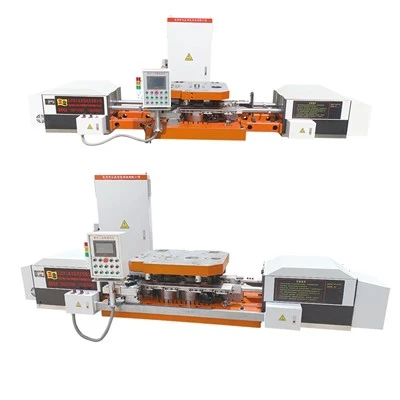
Hey there! I’m working for a nut bolt manufacturing machine supplier. And today, I wanna chat about how a nut bolt manufacturing machine forms the head of a bolt. It’s a pretty cool process, and I’m excited to break it down for you. Nut Bolt Manufacturing Machine
The Basics of Bolt Manufacturing
Before we jump into the head – forming process, let’s get a quick overview of bolt manufacturing. Bolts are used in a ton of applications, from construction to automotive industries. They’re made through a series of steps, and forming the head is a crucial one.
The process generally starts with a wire rod. This wire rod is usually made of steel, but it can also be other metals depending on the application. The rod is first cut into the right length, which will become the body of the bolt. Once the length is right, it’s time to work on the head.
The Pre – Head Forming Stage
One of the first things that happens before actually forming the head is preparing the end of the bolt blank. The machine needs to make sure the end is in the right condition so that the head can be formed properly.
The blank is often heated. Heating is super important because it makes the metal more malleable. When the metal is hot, it’s easier to shape without cracking or breaking. The temperature is carefully controlled, though. If it’s too hot, the metal can lose its strength properties, and if it’s not hot enough, it won’t form easily.
We use induction heating in our machines. It’s a really efficient way to heat the end of the bolt blank. The machine passes an alternating current through a coil around the end of the blank, creating an electromagnetic field. This field causes the metal to heat up quickly and evenly.
Cold Heading and Hot Forging: Two Ways to Form the Head
There are mainly two methods to form the head of a bolt: cold heading and hot forging. Both have their own advantages, and which one we choose depends on a few factors like the type of bolt, the material, and the production volume.
Cold Heading
Cold heading is pretty much what it sounds like. It forms the head at room temperature. This process is great for high – volume production because it’s fast. Our cold – heading machines can churn out a lot of bolts in a short amount of time.
The way it works is that the bolt blank is fed into the machine. The machine then uses a series of dies. A die is like a mold, and it has the shape of the bolt head that we want to create. The machine applies a really high force to push the end of the blank into the die. The metal is forced to flow and take the shape of the die.
Cold heading has some really nice benefits. First of all, the surface finish of the bolts is usually really good. The bolts come out looking smooth. Second, because we’re not heating the metal, we don’t have to worry about any heat – related issues like scale formation. Scale is this flaky stuff that can form on the metal surface when it’s heated.
However, cold heading does have some limitations. We can’t use it for really large – sized bolts or for metals that are difficult to deform at room temperature. For example, some high – strength alloys might be too tough to cold – head without cracking.
Hot Forging
Hot forging, on the other hand, involves heating the metal to a high temperature and then shaping the head. We use hot forging when we’re dealing with larger bolts or tough materials.
Once the bolt blank is heated to the right temperature, it’s transferred to the forging dies. The forging presses in our machines apply a huge amount of force to the heated blank. The metal, because it’s hot and malleable, spreads out and fills the die cavity, taking the shape of the bolt head.
Hot forging allows us to work with harder materials and create larger – sized bolts. The forged head also has good internal grain structure, which gives the bolt better mechanical properties. But it’s a bit more slow compared to cold heading, and it requires more energy for heating the metal.
The Die Design
The dies are the secret sauce in the head – forming process. They’re custom – designed to create the specific shape of the bolt head we need. Whether it’s a hexagonal head, a round head, or some other special shape, the die is what makes it happen.
Our engineers spend a lot of time designing these dies. They use computer – aided design (CAD) software to create the perfect shape. The die also has to be made of high – quality materials. We usually use tool steel because it can withstand the high pressures and temperatures involved in the head – forming process.
Over time, the dies can wear out. So, we have a maintenance and replacement program in place. We regularly check the dies for signs of wear and tear, like cracks or deformation. If a die is worn out, we replace it to make sure the quality of the bolt heads stays consistent.
Quality Control
We don’t just form the heads and call it a day. Quality control is a big part of the process. After the heads are formed, we have several checks in place.
First, we look at the dimensions of the bolt head. We use precision measuring tools to make sure the head has the right diameter, height, and other relevant dimensions. If the head is too big or too small, it might not work properly in its intended application.
We also check the surface finish. Any roughness, cracks, or other surface defects can affect the performance of the bolt. We might use visual inspection or more advanced techniques like surface roughness testers to make sure the finish is up to par.
Mechanical testing is another important part. We test the bolts to make sure they have the right strength. We do things like tensile tests, where we pull the bolt until it breaks, to measure its strength.
Our Machines’ Advantages
As a supplier of nut bolt manufacturing machines, we’re really proud of what our machines can do. Our machines are designed to be efficient, reliable, and easy to operate.
They have a high level of automation, which means less labor is required. The operators just need to set up the machine and monitor the process. This not only reduces the cost but also increases the consistency of the production.
Our machines are also very flexible. We can easily change the dies to produce different types of bolt heads. Whether you need a common hexagonal head or a custom – shaped one, our machines can handle it.
And of course, our customer support is top – notch. If you run into any problems with the machine, our team of experts is ready to help you out.
Contact Us for Your Bolt Manufacturing Needs
If you’re in the business of bolt manufacturing or thinking about getting into it, we’d love to talk to you. Our nut bolt manufacturing machines can offer you a great solution for forming high – quality bolt heads.
Whether you’re a small – scale operation looking for a cost – effective machine or a large manufacturer in need of high – volume production, we have the right machine for you. Reach out to us to start a conversation about your requirements. We can provide you with more detailed information, answer your questions, and even offer you a demonstration if you want.
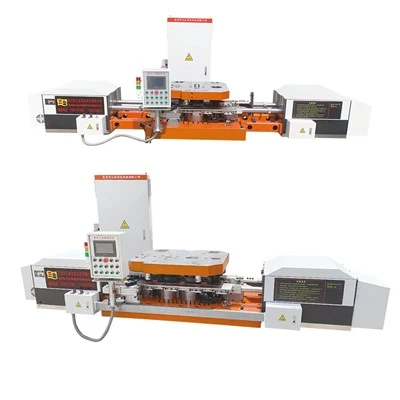
Nut Making Machine Let’s work together to take your bolt manufacturing to the next level!
References
- "The Forging Industry Handbook"
- "Metal Forming Processes and Technology"
Quanzhou Sanye Intelligent Technology Co., Ltd.
As one of the most professional nut bolt manufacturing machine manufacturers and suppliers in China, we have world-leading production equipment and strong manufacturing capabilities. Please rest assured to buy customized nut bolt manufacturing machine made in China here from our factory. Welcome to contact us for quotation.
Address: Anhai Town, Jinjiang City, Fujian Province, China
E-mail: jack_tmm@163.com
WebSite: https://www.qzsymanipulator.com/
