As a supplier of smart leak detection systems, I’ve had the privilege of witnessing the transformative power of integrating these technologies with smart irrigation systems. In this blog, I’ll delve into how these two systems work together, the benefits of this integration, and why it’s a game – changer for both residential and commercial users. Smart Leak Detection System
Understanding Smart Leak Detection Systems
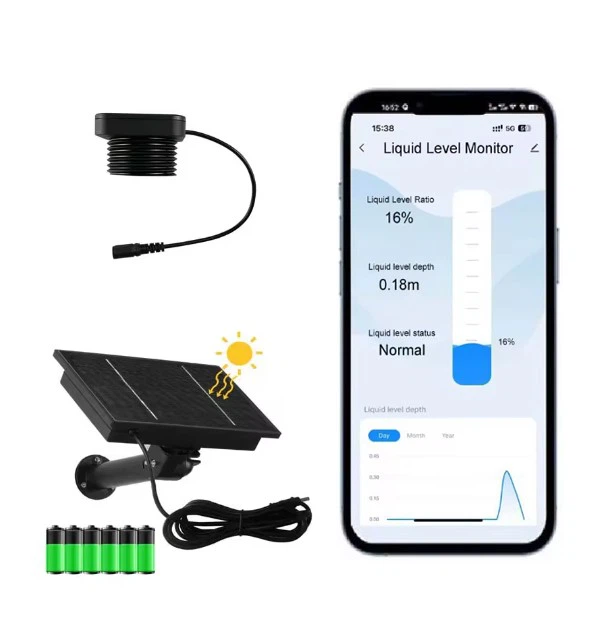
Before we explore the synergy with smart irrigation systems, let’s understand what a smart leak detection system is. At its core, a smart leak detection system is designed to monitor water usage and detect any abnormal patterns that may indicate a leak. These systems typically consist of sensors placed at strategic points in the water distribution network, such as near pipes, valves, and appliances.
The sensors continuously collect data on water flow, pressure, and temperature. This data is then transmitted to a central hub, which analyzes it using advanced algorithms. If the system detects a deviation from the normal water usage pattern, it sends an alert to the user via a mobile app or email. This allows for quick response and prevention of water damage.
How Smart Irrigation Systems Operate
Smart irrigation systems, on the other hand, are designed to optimize water usage in gardens, lawns, and agricultural fields. These systems use a combination of weather data, soil moisture sensors, and plant type information to determine the appropriate amount of water needed for irrigation.
The system’s controller receives data from various sources. For example, weather stations provide information on rainfall, temperature, and humidity. Soil moisture sensors measure the moisture content in the soil. Based on this data, the controller adjusts the irrigation schedule and duration to ensure that plants receive the right amount of water. This not only conserves water but also promotes healthy plant growth.
The Integration Process
The integration of a smart leak detection system with a smart irrigation system begins with the installation of compatible sensors. The leak detection sensors can be placed in the irrigation pipes, at the water source, and near the irrigation valves. These sensors work in tandem with the smart irrigation system’s existing sensors.
The data collected by the leak detection sensors is fed into the same central hub as the smart irrigation system. The hub then uses a unified algorithm to analyze both sets of data. For instance, if the leak detection sensors detect a sudden drop in water pressure while the smart irrigation system is not operating, it could indicate a leak in the irrigation pipes.
The integrated system can also use the smart irrigation system’s data to enhance leak detection. For example, if the soil moisture sensors in the smart irrigation system show that the soil is already saturated, but the water flow in the pipes is still high, it could be a sign of a leak.
Benefits of the Integration
Water Conservation
One of the most significant benefits of integrating a smart leak detection system with a smart irrigation system is water conservation. Leaks in irrigation systems can waste a large amount of water. By detecting and alerting users to leaks in real – time, the integrated system helps prevent water loss. This is especially important in regions facing water scarcity.
Cost Savings
Water bills can be a significant expense for both residential and commercial users. A leak in the irrigation system can lead to a significant increase in water consumption and, consequently, higher bills. The integrated system helps users identify and fix leaks quickly, reducing water usage and saving money in the long run.
System Longevity
Leaks in irrigation pipes can cause damage to the pipes over time. By detecting and fixing leaks early, the integrated system helps extend the lifespan of the irrigation system. This reduces the need for costly repairs and replacements.
Enhanced Plant Health
Over – watering due to leaks can be detrimental to plant health. The integrated system ensures that plants receive the right amount of water by preventing leaks and optimizing the irrigation schedule. This promotes healthy plant growth and reduces the risk of diseases caused by excessive moisture.
Real – World Applications
Residential Gardens
In residential gardens, the integrated system can provide homeowners with peace of mind. They can monitor their irrigation system and detect leaks from anywhere using their mobile devices. This is especially useful for those who travel frequently or have busy schedules.
Commercial Landscapes
Commercial landscapes, such as parks, golf courses, and corporate campuses, require large amounts of water for irrigation. The integrated system can help these facilities manage their water usage more efficiently. By detecting and fixing leaks promptly, they can reduce water costs and maintain the aesthetic appeal of their landscapes.
Agricultural Fields
In agriculture, water is a precious resource. The integrated system can help farmers optimize their irrigation practices. By detecting leaks in the irrigation network, they can ensure that water is used effectively, leading to higher crop yields and lower production costs.
Challenges and Solutions
Compatibility Issues
One of the challenges in integrating a smart leak detection system with a smart irrigation system is compatibility. Different systems may use different communication protocols and data formats. To overcome this, suppliers need to ensure that their products are designed to be compatible with a wide range of smart irrigation systems. This may involve using standard communication protocols and providing easy – to – use integration tools.
Data Security
As both systems collect and transmit sensitive data, data security is a major concern. Suppliers need to implement robust security measures, such as encryption and authentication, to protect the data from unauthorized access. Regular software updates should also be provided to address any security vulnerabilities.
User Education
Many users may not be familiar with how the integrated system works. Suppliers need to provide comprehensive user manuals and training materials to help users understand the system’s features and how to use them effectively. This can also include online tutorials and customer support services.
Why Choose Our Smart Leak Detection System
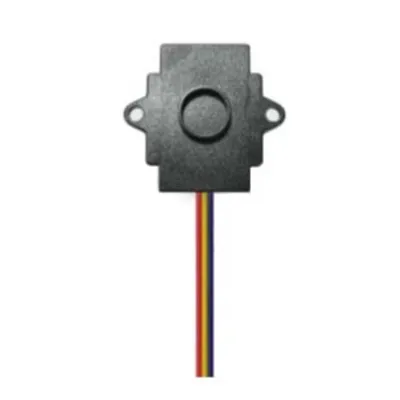
Our smart leak detection system is designed to seamlessly integrate with a wide range of smart irrigation systems. We use state – of – the – art sensors that provide accurate and reliable data. Our advanced algorithms can detect even the smallest leaks, ensuring that you are notified as soon as a problem occurs.
We also offer excellent customer support. Our team of experts is available to assist you with installation, integration, and troubleshooting. We understand that every user’s needs are different, and we are committed to providing customized solutions.
Flow Meter If you are interested in learning more about how our smart leak detection system can work with your smart irrigation system, or if you are ready to make a purchase, we encourage you to get in touch with us. We look forward to discussing your requirements and helping you find the best solution for your water management needs.
References
- "Smart Irrigation Technology: A Review", Journal of Irrigation and Drainage Engineering, ASCE
- "Leak Detection in Water Distribution Systems: A Review", Journal of Water Resources Planning and Management, ASCE
- "The Impact of Smart Water Management Systems on Water Conservation", Environmental Science & Technology
Shenzhen Fineherc Technology Co., Ltd.
As one of the most experienced smart leak detection system suppliers in China, we’re featured by quality products and low price. Please feel free to buy discount smart leak detection system made in China here from our factory. Welcome to view our website for more information.
Address: 5th Floor, Building D, No. 39, Keji East Road, Torch Development Zone, Zhongshan City,China
E-mail: fineherc@hotmail.com
WebSite: https://www.fineherc.com/
