Hey there! I’m a supplier of finned tubes, and I’m super stoked to chat with you about the amazing energy-saving benefits of these nifty little things. Finned Tube
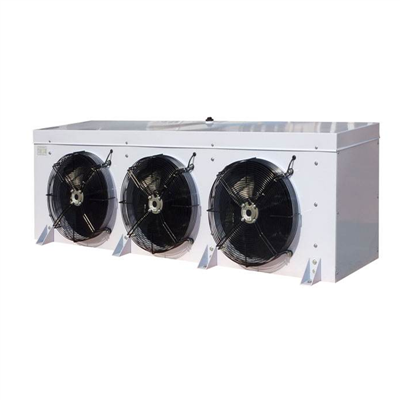
Let’s start with the basics. What the heck are finned tubes anyway? Well, they’re basically tubes with fins attached to their outer surface. These fins can be made from a variety of materials like aluminum, copper, or stainless steel. The whole idea behind adding fins is to increase the surface area of the tube, which in turn boosts its heat transfer efficiency.
So, how do finned tubes save energy? It all boils down to improving heat transfer. When you’re dealing with a heat exchanger (a device that transfers heat from one fluid to another), the more surface area you have in contact with the fluids, the better the heat transfer. Regular tubes have a limited surface area, but finned tubes take it up a notch.
In a heating system, for example, let’s say you’re using hot water to heat a room. Without finned tubes, the heat transfer from the hot water inside the tube to the air in the room would be relatively slow. But when you use finned tubes, the fins act like little heat conductors. They absorb the heat from the hot water in the tube and then release it into the surrounding air much faster. This means that you can achieve the same level of heating with less energy input. You don’t have to keep the water as hot for as long, or pump as much water through the system, which saves on both fuel (if you’re using a boiler) and electricity (for the pumps).
In an industrial setting, finned tubes are used in all sorts of heat exchangers, like condensers and evaporators. In a condenser, the goal is to turn a vapor into a liquid by removing heat. Finned tubes make this process much more efficient. They can quickly transfer the heat from the vapor to the cooling fluid (usually water or air), allowing the vapor to condense faster. This reduces the energy needed to run the compressor in the refrigeration system, which is a major energy consumer in these setups.
Imagine a large-scale refrigeration system in a food processing plant. They need to keep the products at a certain temperature to prevent spoilage. By using finned tubes in their condensers and evaporators, they can cut down on the energy consumption of the entire system. This not only saves them money on their utility bills but also reduces their carbon footprint.
Another big advantage of finned tubes is their ability to work in different environments. They can be designed to handle high pressures and temperatures, which is crucial in industrial applications. And because they’re so efficient at heat transfer, they can operate at lower temperatures and pressures compared to non-finned tubes. This means that the equipment they’re used in doesn’t have to be as robust or energy-intensive to maintain the required conditions.
For example, in a power plant, finned tubes are used in the boiler to transfer heat from the combustion gases to the water. The fins help to extract more heat from the gases, which means that the boiler can operate at a lower temperature and still produce the same amount of steam. This reduces the amount of fuel needed to heat the water, resulting in significant energy savings.
Now, let’s talk about the cost savings. While finned tubes may cost a bit more upfront than regular tubes, the long-term savings are well worth it. The energy savings over the life of the equipment can be substantial. And because they improve the efficiency of the system, they also reduce wear and tear on other components. This means less maintenance and fewer replacements, which further cuts down on costs.
In addition, many governments and regulatory bodies are offering incentives for businesses to use energy-efficient equipment. By using finned tubes in your heat exchangers, you may be eligible for tax credits, grants, or other financial incentives. This can help offset the initial investment and make the switch to finned tubes even more attractive.
I know that choosing the right finned tubes for your application can be a bit overwhelming. There are so many different types, sizes, and materials to choose from. That’s where I come in. As a finned tube supplier, I’ve got the expertise and experience to help you find the perfect solution for your needs. Whether you’re looking for a finned tube for a small residential heating system or a large industrial heat exchanger, I can provide you with high-quality products at competitive prices.
If you’re still not sure if finned tubes are right for you, I’d be more than happy to chat with you. Just drop me a message, and we can discuss your specific requirements. I can also provide you with some case studies and examples of how other customers have benefited from using our finned tubes.
In conclusion, finned tubes are a game-changer when it comes to energy savings. They offer improved heat transfer, reduce energy consumption, and save you money in the long run. So, if you’re looking to make your heating, cooling, or industrial processes more efficient, it’s definitely worth considering finned tubes.
If you’re interested in learning more or want to start a conversation about purchasing finned tubes for your project, don’t hesitate to reach out. Let’s work together to find the best energy-saving solution for you!
Finned Tube References
- Incropera, F. P., & DeWitt, D. P. (2002). Fundamentals of Heat and Mass Transfer. John Wiley & Sons.
- Holman, J. P. (2002). Heat Transfer. McGraw-Hill.
Xiangshui Derkang Refrigeration Equipment Co., Ltd.
As one of the most professional finned tube manufacturers in China, we’re featured by quality products and low price. If you’re going to buy discount finned tube, welcome to get quotation from our factory. We also accept customized orders.
Address: No. 2, Xiaojian Town Entrepreneurship Park, Xiangshui County
E-mail: 505745223@qq.com
WebSite: https://www.xsderk.com/
