Interstitial cystitis (IC), also known as painful bladder syndrome, is a chronic condition that affects the bladder. It is characterized by recurring discomfort or pain in the bladder and pelvic region, along with urinary frequency and urgency. As a supplier of products related to interstitial cystitis, I often receive questions from customers about the potential complications of this condition, particularly whether it can lead to kidney damage. In this blog post, I will explore the relationship between interstitial cystitis and kidney damage based on scientific research and medical knowledge. Interstitial Cystitis
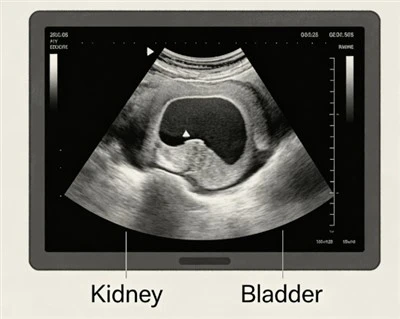
Understanding Interstitial Cystitis
Before delving into the question of kidney damage, it’s important to have a basic understanding of interstitial cystitis. The exact cause of IC is still unknown, but it is believed to involve a combination of factors, including bladder lining abnormalities, nerve dysfunction, autoimmune responses, and genetic predisposition. Symptoms can vary widely from person to person, but common ones include bladder pain, pressure, or discomfort, frequent urination (sometimes as often as every 15 – 30 minutes), and a strong urge to urinate.
The Normal Function of the Bladder and Kidneys
To understand how interstitial cystitis might potentially affect the kidneys, we need to first understand the normal function of the bladder and kidneys. The kidneys are responsible for filtering waste products and excess water from the blood to produce urine. The urine then travels through the ureters, which are tubes that connect the kidneys to the bladder. The bladder stores the urine until it is time to be excreted from the body through the urethra.
A healthy bladder has a protective lining that prevents urine from irritating the bladder wall. In interstitial cystitis, this lining may be damaged, allowing urine components to seep into the bladder wall and cause inflammation and pain.
Can Interstitial Cystitis Lead to Kidney Damage?
In most cases, interstitial cystitis does not directly lead to kidney damage. The condition primarily affects the bladder, and the kidneys are generally not directly involved in the pathological process of IC. However, there are several indirect ways in which interstitial cystitis could potentially impact the kidneys:
1. Urinary Tract Infections (UTIs)
People with interstitial cystitis are at a higher risk of developing urinary tract infections. The inflammation in the bladder can disrupt the normal protective mechanisms of the urinary tract, making it easier for bacteria to enter and cause an infection. If a UTI is not treated promptly, it can spread from the bladder to the kidneys, leading to pyelonephritis, a serious kidney infection. Pyelonephritis can cause kidney damage if left untreated, including scarring of the kidney tissue and impaired kidney function.
2. Obstruction of Urine Flow
In some severe cases of interstitial cystitis, the bladder may become fibrotic or contract, reducing its capacity to hold urine. This can lead to an increased pressure in the bladder. If the pressure is high enough, it can cause a backflow of urine into the kidneys, a condition known as vesicoureteral reflux. Prolonged vesicoureteral reflux can damage the kidneys over time, as the increased pressure and the presence of urine in the kidneys can lead to inflammation and scarring.
3. Dehydration
Due to the frequent urination and pain associated with interstitial cystitis, some patients may be reluctant to drink enough fluids. Dehydration can put additional stress on the kidneys, as they need an adequate amount of water to function properly. Chronic dehydration can lead to the formation of kidney stones and other kidney problems.
Scientific Evidence
Several studies have investigated the relationship between interstitial cystitis and kidney damage. While the overall incidence of kidney damage in patients with IC is relatively low, the factors mentioned above do pose a risk. For example, a study published in the Journal of Urology found that patients with interstitial cystitis had a higher prevalence of urinary tract infections compared to the general population. Another study in the International Urogynecology Journal reported cases of kidney damage in patients with severe bladder contracture due to interstitial cystitis.
Preventing Kidney Damage in Interstitial Cystitis
As a supplier of interstitial cystitis products, I believe in the importance of preventive measures to reduce the risk of kidney damage in patients with IC. Here are some recommendations:
1. Treat Urinary Tract Infections Promptly
Patients should be educated about the symptoms of UTIs, such as burning during urination, cloudy or foul – smelling urine, and lower abdominal pain. If a UTI is suspected, they should seek medical attention immediately and follow the prescribed treatment course, usually antibiotics.
2. Manage Bladder Pressure
In cases where bladder contracture is a concern, medical interventions such as bladder distension or the use of medications to relax the bladder may be recommended. These treatments can help maintain normal urine flow and reduce the risk of vesicoureteral reflux.
3. Stay Hydrated
Encouraging patients to drink an adequate amount of water is crucial. Even though they may experience frequent urination, proper hydration is essential for kidney health. Drinking water can also help flush out bacteria from the urinary tract and prevent the formation of kidney stones.
Our Role as a Supplier
As a supplier of interstitial cystitis products, we are committed to providing high – quality products that can help manage the symptoms of IC and reduce the risk of complications. Our products include dietary supplements that may help soothe the bladder lining, bladder support devices, and educational materials to help patients better understand their condition.

We understand that every patient’s experience with interstitial cystitis is unique, and we work closely with healthcare professionals to ensure that our products are used in a safe and effective manner. By providing these products, we aim to improve the quality of life for patients with IC and help them take control of their health.
Contact Us for Procurement
Sacral Neuromodulation If you are a healthcare provider, a distributor, or an individual interested in our interstitial cystitis products, we invite you to contact us for procurement. We offer a wide range of products that are designed to meet the diverse needs of patients with IC. Our team is ready to answer your questions, provide product information, and discuss potential partnerships.
References
- Hanno, P. M., et al. (2011). Diagnosis and treatment of interstitial cystitis/bladder pain syndrome. Urology, 77(4), 843 – 851.
- Moldwin, R. M., et al. (2001). The interstitial cystitis symptom index and problem index. Urology, 57(5), 884 – 888.
- Nickel, J. C., et al. (2008). The Canadian interstitial cystitis/bladder pain syndrome guideline: diagnosis, therapy, and follow – up. The Canadian Journal of Urology, 15(1), 3914 – 3923.
Hefei Youce Haoyi Culture Co., Ltd.
Dr. Zhang Yifei has been engaged in clinical practice for more than 30 years and he is an Associate Chief Physician in the Department of Urology. If you’re going to know the cost of interstitial cystitis, welcome to contact us for pricelist and quotation.
Address: Building A, Hengxing Plaza, No. 33 Tunxi Road, Baohe District, Hefei City, Anhui Province
E-mail: 16655109203@139.com
WebSite: https://www.zyfdsj.com/
