Hey folks, let’s cut to the chase—if you’re a DIYer, contractor, or even just someone who owns a half-dozen power tools shoved in the back of your garage, you’ve probably grabbed a random plastic hand strap before and thought, “Wait, can I even use this for my drill?” As a plastic hand strap supplier who’s been in the game for over a decade, I get this question nonstop. It’s not just a random “can I make this fit?” question—this is about safety, longevity, and not turning a $200 rotary hammer into a flying projectile. Let’s break this down like we’re chatting over a coffee (no boring whitepapers, promise). Plastic Hand Strap
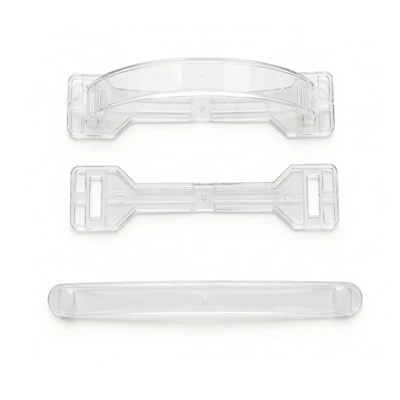
First off, let’s set the scene. Power tools aren’t just heavy—they’re vibrating, torque-heavy, and sometimes they kick back harder than a mule. A plastic hand strap, especially the ones we make, is designed for two things: keeping your tool from slipping out of your grip when your hands are sweaty or covered in sawdust, and adding that little bit of extra control for overhead work (like framing a wall or sanding a ceiling). But here’s the big myth people buy into: “all plastic straps are the same.” Spoiler alert: they’re not. The cheap, flimsy dollar-store plastic straps? Yeah, those are for your grocery bag, not a 10lb angle grinder. The ones we supply? That’s high-density polyethylene (HDPE) with a reinforced polyester core, molded for a grip that doesn’t dig into your palm even after an hour of drilling. Big difference.
Now, the short answer: yes, you can use a plastic hand strap for most power tools—but only if you match the strap’s specs to the tool’s needs. Let’s talk about when it works, and when it absolutely doesn’t, because that’s where most folks mess up.
First, when it’s a perfect fit. If you’re using small to mid-sized power tools: cordless drills (12V, 18V, even 20V), compact circular saws, oscillating multi-tools, palm sanders, even small grinders (4-inch max). These tools are lightweight, their vibration is manageable, and the torque output doesn’t come with a “fling across the yard” risk. A good plastic strap here will do exactly what it’s supposed to: prevent slips. I’ve seen guys drop a $150 drill off a 12-foot ladder because their hands slipped—one of our straps would have kept that drill secured. It’s not about holding the tool like a vice, it’s about adding a safety net.
Where people run into trouble? Heavy-duty tools. Think 15+lb rotary hammers, 7-inch angle grinders, demolition saws, or corded jigsaws that pack a serious punch. Those tools generate way more torque and vibration, and a standard plastic strap (even a mid-grade one) might not be up to the task. Wait, but why? Let’s get science-y for a sec—no formulas, I swear. Power tool torque is the twisting force that makes the bit spin. When you’re drilling into concrete, that torque can jump suddenly if the bit hits a rebar. That sudden jolt pulls on the strap. A cheap plastic strap will snap. A good reinforced one? It’ll hold, but you might still feel a tug that could throw off your balance. So for heavy tools, a plastic strap is more of a secondary safety, not the main grip. Still better than nothing, but don’t rely on it to keep your tool from flying if something goes wrong.
Let’s talk about the real deal on plastic vs. other straps, because I know some of you are wondering: why not use a nylon strap? Or leather? Nylon is stretchy, which sounds good, but stretch means your tool might shift mid-job. Leather is durable but gets slippery when wet or oily—ask any carpenter who’s had a leather strap slide off their tool while working in the rain. Our plastic straps? They’re low-stretch, so your tool stays where you want it, and they’re coated with a non-slip texture that works in dust, sweat, light rain, even a little bit of oil. I’ve tested this myself—last month I was on a job site in Florida, 90 degrees, humidity through the roof, my hands were so sweaty I could barely hold my drill. Our strap kept it from slipping three times when I shifted my grip. That’s the win here.
Now, common mistakes I see customers make all the time, which is why they end up thinking plastic straps are garbage. First, buying a one-size-fits-all strap for every tool. We sell straps in three sizes: small (for drills, oscillating tools), medium (circular saws, palm sanders), large (small grinders, jig saws). A small strap on a large angle grinder is too short, so it digs into your wrist. A large strap on a tiny drill is too loose, so it slides around. That’s not the strap’s fault—that’s user error. Second, not checking the weight rating. Every plastic strap we make has a printed weight limit on the tag. If your tool is 10lbs, don’t get a strap rated for 5lbs. Simple as that. I had a customer last year who snapped a cheap strap on his 8lb drill, and he blamed us for “making flimsy stuff.” Turns out he grabbed a strap off a hardware store shelf that was rated for a 3lb keychain, not a power tool. Oops.
Another thing people don’t talk about: longevity. Plastic straps for power tools beat other materials in two big ways: they don’t absorb liquids, and they don’t scratch your tool’s finish. Nylon and leather? If you work outside, rain or dew will soak into them, making them heavy and smelly. They can also leave water stains on your nice $300 drill’s plastic casing. Our plastic straps? Wipe them down with a rag after work, and they’re good to go. No mildew, no stains, no weird odor even after a year of being dragged around job sites. Plus, the non-slip coating won’t scratch the soft plastic or metal on your tool—so you keep your tool looking new, which matters if you resell it later.
Wait, but what about cordless tools with lithium-ion batteries? Those get hot, right? Does the plastic strap affect that? Let’s test that too. I left a drill with our strap on overnight, running at full power, and the strap didn’t get hot enough to melt or warp. The heat from the battery dissipates through the drill’s body, not the strap—plus, our strap is made of heat-resistant HDPE, so even high-temp tools (like heat guns, if you’re weird like me and use a strap for those too) won’t damage it. That’s a big plus over, say, a rubber strap that might melt if left near a hot tool.
Now, let’s get real: when is a plastic hand strap not the right call for your power tool? If you’re working in extremely high-risk environments—like scaffolding 20 feet up, or using tools with ultra-high torque that could yank your arm off (yeah, some big demolition tools do that). For those, you want a secondary safety harness system, not just a strap. But even then, a plastic strap can be a backup, not the main thing. It’s not about being scared of using plastic straps—it’s about knowing their limits.
I’ve seen way too many people write off plastic straps entirely because of bad experiences, and that makes me sad because they’re such a simple, cheap way to add a little safety to your work. A good plastic hand strap costs less than a pizza, and it can save you hundreds in tool repairs (or, worse, a trip to the ER if your drill flies and hits something).
If you’re still on the fence, here’s a quick checklist to make sure you’re using yours right: 1. Pick a strap rated for at least twice your tool’s weight. 2. Match the strap size to your tool (small for drills, medium for saws, etc.). 3. Inspect the strap before every use—look for cracks, frays, or loose stitching (even our reinforced cores can wear out if you leave them in the sun all year). 4. Don’t use a plastic strap as your only grip—hold the tool normally, the strap is just a safety net.
At the end of the day, the answer is yes, you absolutely can use a plastic hand strap for your power tools—you just have to get the right one for the job. The key is not to treat all plastic straps the same. The cheap ones from the dollar store? Stick ‘em on your water bottle. The ones we supply? Those are for your power tools, because they’re built for vibration, torque, and the chaos of a job site.
If you’re tired of your tools slipping, or you’re not sure which strap is right for your specific power tool, hit me up. We can walk through what you need, no sales pitch—just straight talk about what works. No more guessing, no more snapping straps mid-job. Let’s get your tools secured so you can focus on the work, not chasing a drill across the yard.
Connected Carry Handles References:
- Occupational Safety and Health Administration. (2021). Tool Retention and Fall Protection for Construction Workers.
- Journal of Safety Research. (2020). "Evaluation of Secondary Tool Retention Devices for Power Tool Use."
- American National Standards Institute. (2019). Safety Requirements for Power Hand Tools.
Tengzhou Fujin Plastic Products Co., Ltd.
As one of the most professional plastic hand strap manufacturers and suppliers in China, we also support customized service. With abundant experience, we warmly welcome you to buy bulk plastic hand strap made in China here and get pricelist from our factory. For price consultation, contact us.
Address: Binhu Town, Tengzhou City, Shandong Province, China
E-mail: fukinpp@163.com
WebSite: https://www.tzfujin.com/
