If you’ve ever shopped around for a sliding door for a commercial warehouse, a backyard shed, or a workshop, you’ve probably come across two main types of steel sliding doors: galvanized steel and regular steel. As a steel sliding door supplier who’s been in this industry for over a decade, I’ve heard every question in the book from customers confused by the difference between the two. Most people don’t realize that the gap isn’t just a matter of cost—there are performance, longevity, and practical use cases that separate them, and choosing the wrong one can cost you way more in repairs or replacements down the line. Steel Sliding Door
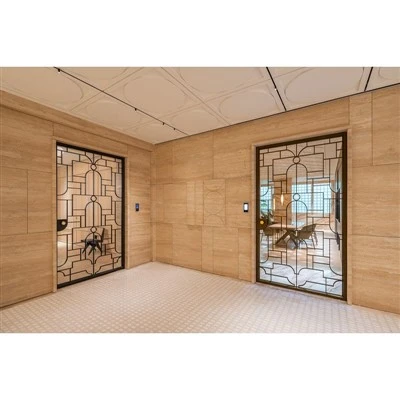
I’ve seen it happen too many times: a customer picks a cheap regular steel door to save a few bucks for their farm, only to have it rust through in three years because their property is in a humid, coastal area. Or another client installs a regular steel door in a high-traffic factory where dust and chemicals are common, and it warps from exposure to moisture faster than they planned. That’s why it matters to break this down simply, no fancy engineering jargon, just the facts I’ve learned from working with steel sliding doors day in and day out.
First, let’s get clear on what “regular steel” actually is, because a lot of people use the term loosely. Regular steel, which is often called carbon steel in industry terms, is a basic alloy made of iron and a small amount of carbon (usually less than 2% to keep it workable for doors). It’s strong, rigid, and relatively cheap to produce, which is why it’s a go-to for many affordable sliding door models. But its biggest flaw is that iron has a natural reaction with oxygen and moisture—something we call corrosion, or rust. When regular steel is exposed to even small amounts of water, humidity, or road salt, the iron starts to break down, forming that flaky, porous rust that spreads over time. That rust doesn’t just look bad; it weakens the steel itself, which can lead to dents, cracks, or even doors that won’t slide properly as they warp out of shape.
Now, galvanized steel isn’t a different type of steel—it’s regular steel that’s been coated in a protective layer of zinc, a process called galvanization. Think of it like putting a waterproof jacket on your regular steel. There are two main ways we do this for steel sliding doors: hot-dip galvanizing, which is the most common and durable method, and electro-galvanizing, a thinner coating used mostly for lighter-duty doors. The hot-dip process means we submerge the regular steel door in a bath of molten zinc, so the zinc actually chemically bonds to the steel surface, not just sits on top. That bond is key—unlike a paint job that can chip or peel, the zinc layer acts as a physical barrier to moisture and oxygen. Even if a small scratch does damage the zinc coating, the zinc doesn’t stop protecting the steel; it actually sacrifices itself slightly to corrode instead of the iron underneath, a process called cathodic protection. That’s why a galvanized door can last decades longer than a regular steel one in harsh environments.
Let’s talk about performance, because strength matters for sliding doors. Both regular and galvanized steel doors are strong enough for most applications, but the zinc coating doesn’t take away from that strength. In fact, for doors used in heavy-duty settings—like loading docks, factory yards, or areas with frequent impact from tools or equipment—galvanized steel often holds up better. The zinc layer is tough enough to resist minor scratches and dents without compromising the steel’s core strength, whereas a regular steel door’s bare surface is way more prone to rusting after even a small scratch. I’ve had customers tell me their galvanized doors got hit by a forklift or a falling pallet, and the only repair needed was a quick touch-up on a tiny zinc scratch—no rust, no warping, just back to working like normal. With a regular steel door, that same scratch would be a rust hotspot starting to eat through the steel within a year.
Next up, longevity, which is probably the biggest factor for most people. Let’s put numbers to this, because I can tell you from experience that these aren’t just guesses. A regular steel sliding door, if used in a mild climate—like a dry, inland area with little humidity or salt exposure—might last 10 to 15 years. But push it into a humid region, near the coast, or around chemicals (like a cleaning supply warehouse or a farm with manure), and that timeline drops to 3 to 5 years. I’ve replaced regular steel doors for customers in Florida in less than two years because salt air eats through steel faster than anything. Galvanized steel? A hot-dip galvanized sliding door can last 40 to 50 years in those same harsh coastal or industrial environments. Even in a mild climate, it’ll easily outlast a regular steel door by 20 to 30 years. That’s a huge difference when you’re talking about an investment that’s meant to be a long-term solution, not a temporary fix.
Don’t get me wrong, galvanized steel isn’t perfect, and it’s not always the right choice. The zinc coating does add a bit of cost upfront—usually 15 to 25% more than a comparable regular steel door. For a customer installing a small shed door in a dry, temperate backyard, that extra cost might not be worth it, especially if they only need it to last 10 years. Also, galvanized steel can have a matte, silvery finish that some people don’t like if the door is going to be a visible part of their home or business. In that case, you can always paint it, but painting galvanized steel does need a bit of prep to make sure the paint adheres properly—you can’t just slap regular latex paint on it. Regular steel, on the other hand, can be painted right out of the box, which makes it a better choice if you want a custom color for a residential front sliding door or a space where looks matter more than extreme durability.
Another thing to consider is maintenance. Regular steel doors require regular upkeep to fight rust. That means wiping them down after they get wet, sanding and repainting any chips or scratches every few years, and checking for rust spots that can turn into big problems quickly. I had a customer a few years ago who tried to skip maintenance on his regular steel barn door, and within four years, he had to replace the entire door because the rust had spread to the frame and the track, making it impossible to slide. Galvanized steel doors? They’re practically low-maintenance. You can wipe them down occasionally if they get dirty, but you don’t have to worry about rust even if a scratch goes unfixed, and they hold up to rain, snow, and humidity without needing regular touch-ups. That’s a huge win for businesses that don’t have the time or budget for ongoing door maintenance, or for homeowners who don’t want to deal with constant repairs.
Let’s also talk about common misconceptions I run into all the time. Some people think galvanized steel is “weaker” because of the coating, but that’s not true. The zinc layer is only about 0.003 to 0.005 inches thick for a standard hot-dip galvanized door, which is a tiny amount compared to the steel’s thickness (usually 12 to 16 gauge for sliding doors). The core steel remains just as strong as regular steel, so the door’s ability to hold weight, resist dents, and stand up to use is identical. Another misconception is that regular steel is “bad”—it’s not. It’s a great option for the right application. If you’re putting a door in a dry garage that’s not exposed to moisture, or a small tool shed that’s only used occasionally, a regular steel door is a solid, affordable choice. The problem comes when people pick regular steel without considering where it’s going to be installed. I’ve seen way too many customers make that mistake, and it always leads to headaches down the line.
As a supplier, I always try to match the right door to the customer’s needs, not just push the most expensive option. For example, a customer running a small retail shop with a storefront sliding door that’s exposed to rain and snow all winter? Galvanized steel is the obvious choice—it’ll keep looking good and working for decades. A homeowner replacing a sliding door for their indoor laundry room, which is dry and protected from the elements? A regular steel door will work perfectly, and you can paint it to match your trim. For a commercial loading dock that’s exposed to salt spray from delivery trucks in winter, or a factory with chemical fumes in the air, galvanized steel is non-negotiable. It’s an investment that saves you money in the long run, even if it costs a bit more upfront.
I’ve been doing this long enough that I’ve seen hundreds of doors go up and come down, and the ones that stand the test of time are almost always galvanized in harsh environments. The ones that need replacing within a few years are usually regular steel doors installed where they don’t belong. That’s why I make sure every customer I work with understands the difference, beyond just the price tag. It’s not just about saving a few dollars now—it’s about not having to replace your door two or three times over the years, which adds up way more than the initial cost difference.

If you’re in the market for a steel sliding door and you’re still not sure which one is right for your space, don’t hesitate to reach out. I’ve helped businesses, homeowners, farmers, and industrial operators pick the right door for their specific needs, and I can walk you through the pros and cons, answer any questions you have, and make sure you get a door that will work for you for years to come.
Thermally Broken Steel Window and Door For more detailed technical information on steel corrosion and galvanization standards, you can reference materials from the American Galvanizers Association and Steel Construction Institute.
Reference: American Galvanizers Association. (2022). Hot-Dip Galvanizing for Corrosion Protection. Steel Construction Institute. (2021). Steel Products and Applications Guide.
PDA Steel Door and Window
We are one of the most experienced steel sliding door manufacturers and suppliers in China, also support customized service. Please feel free to buy high-grade steel sliding door in stock here from our factory. Quality products and reasonable price are available.
Address: No.8, Central Avenue, Jinghai Economic Development District, Tianjin
E-mail: Nancy@eng-pda.com
WebSite: https://www.pda-steelwindows.com/
