If you’ve ever stood next to a solar panel array and caught a faint, persistent hum coming from the inverter, you’re not alone. As a solar inverter supplier who’s fielded thousands of calls from homeowners, installers, and property managers over the past decade, this is one of the most common (and most anxiety-inducing) questions I get. Most people assume the worst: their $1,000+ inverter is broken, their whole solar system is failing, or they’re going to have to shell out for an emergency replacement. But more often than not, that noise is just the inverter doing its job—sometimes, though, it’s a sign of something that needs attention. Let’s break this down, plain and simple, no jargon, just real-world context from someone who’s been on the other end of the line when a customer is panicking over a hum that keeps them up at night. Solar Inverter
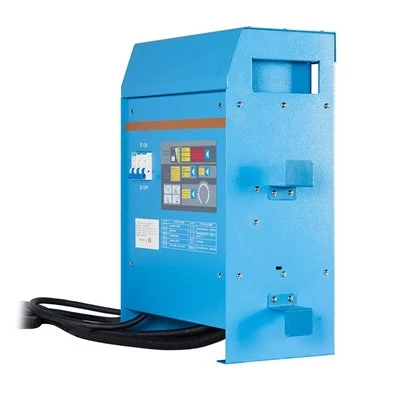
First, let’s talk about what a solar inverter actually does, because the noise starts with its core function. Solar panels produce direct current (DC) electricity when sunlight hits their cells. But every home and business runs on alternating current (AC) electricity. The inverter’s whole job is to convert that DC power to AC, sync that AC to the grid’s frequency (usually 50 or 60 hertz, depending on where you are), and send that power to your breaker box, back to the grid, or store it in a battery if you have a storage system. To pull this off, the inverter has moving parts, switches, and electronics that work in sync, and that rhythm is where noise comes from.
Most of the time, that noise is completely normal—so normal, in fact, that it’s baked into the design of every string inverter and microinverter on the market. The two most common normal noises are a low, steady hum and a high-pitched whine, and they have very specific causes. The low hum, usually around 50 or 60 Hz, is the inverter’s output transformer doing its work. Transformers have conductive metal cores stacked together, and when AC current flows through them, the magnetic field that flips back and forth (that’s what converts the voltage from DC to AC) makes those core sheets vibrate. It’s called magnetostriction, and it’s not a flaw—it’s physics. Think of it like holding a tuning fork next to a speaker playing a steady tone; the vibration is tiny, but if it’s close enough to a wall or in a small, enclosed space like a utility closet or a corner of your garage, it amplifies into a hum you can hear.
The other common normal noise is a high-pitched whine or whir, usually from the inverter’s cooling fan. Inverters generate heat when they convert power, especially on hot days or when they’re running at full capacity. Most modern inverters have a variable-speed fan that kicks on automatically when the internal temperature hits a certain threshold, and it ramps up or down depending on how much heat it needs to dissipate. On some models, especially smaller ones for residential use, that fan’s blade size and motor speed can create a high-pitched whine that’s noticeable if the inverter is mounted near a living space. I’ve had customers call at 2 a.m. complaining about a whine that’s keeping them up, only to go out, realize the fan is spinning, and that it’s just the inverter cooling down after a long, sunny day of producing maximum power. That’s not a problem—that’s your inverter working hard for you.
Now, the lines get blurry when that normal noise turns into something that’s a sign of a potential issue. The big red flags here are unusual noises: a grinding sound, a rattle that comes and goes, a high-pitched squeal that wasn’t there before, or a hum that’s way louder than it was when the inverter was new. These noises aren’t just annoying—they can be early warnings of a problem that could lead to costly repairs or even system failure if you ignore them. Let’s go through the most common non-normal noise causes, with context from real service calls I’ve handled.
First up, loose internal components. Inverters go through a lot of temperature swings: they get hot during the day, cool off at night, and expand and contract as they do. Over time, tiny screws, wiring harnesses, or even internal transformer components can work loose. I had a customer in Phoenix call me last summer saying their inverter sounded like someone was shaking a tin can when the fan kicked on. We walked them through a quick check—unplugging the inverter (always the first step if you’re inspecting hardware, safety first) and opening the cover to listen for rattling. Turns out, a small mounting screw for the cooling fan had come loose during a few months of 110-degree days, and when the fan spun at high speed, it vibrated against the inverter’s casing. Tightening that one screw fixed the noise entirely, and it probably saved them from the fan breaking prematurely. Loose wiring is another one; if the DC or AC cables connecting the inverter to the panels or the grid are too close to the inverter’s metal casing or internal parts, they can vibrate and create a rattle or a hum that syncs with the inverter’s running rhythm. That’s an easy fix, too—just adjusting the cable runs so they have room to move, not touching anything else.
Next, grid synchronization issues, which are a bit more serious. Inverters have to stay synced to the grid’s frequency to send power back safely, and if there’s a glitch in the grid (like a frequency dip or a voltage spike) or a problem with the inverter’s internal sync circuitry, that can create a weird, loud hum that’s usually out of sync with the usual 50/60 Hz hum. I’ve had installers call me about this after a bad storm knocked out power; when the grid came back, the inverter had a hard time re-syncing, and it made a distorted, almost groaning noise that didn’t sound right. Most of the time, a soft reset of the inverter will fix this—you just turn it off for 10 minutes, let it discharge, and turn it back on. But sometimes, it’s a sign that the inverter’s grid monitoring component is faulty, which is a problem that needs a service call. Grid-related noise is also more common in areas with old, overloaded grid infrastructure. A few years ago, I worked with a developer in a small town in Ohio where half the new residential solar installations had noisy inverters. Turns out, the local utility was running a older distribution line that had consistent voltage fluctuations, and the inverters were adjusting their output constantly to compensate, creating extra vibration and noise. That was a utility-wide issue, not a bad inverter, but it required us to work with the utility to upgrade the lines for new installations moving forward.
Then there’s the big one: component failure. As inverters age, parts wear out, and that can create noise that’s a clear sign something is broken. The most common failing part that causes unusual noise is the cooling fan’s motor. If the fan’s bearings wear out from years of spinning, they can create a grinding noise, a squeal, or a wobbling sound that gets worse as the fan speeds up. I’ve replaced hundreds of worn-out inverter fans over the years; usually, it’s a fan that’s older than 5 years, and it starts making noise right when you don’t want it to—like the middle of summer, when the inverter is working its hardest. Another common failure is a faulty capacitor, which is a component that stores energy and helps regulate the inverter’s power flow. A failing capacitor can create a high-pitched, sharp squeal, often at a specific point when the inverter is running at medium power. If you hear that, it’s usually a sign that the capacitor is leaking or failing, and if you ignore it, it can damage the rest of the inverter’s circuitry and lead to a full replacement. I always tell customers that if they hear a squeal that wasn’t there before, especially if it’s getting louder over a week or two, don’t wait—call a tech, because that’s a part that can fail without warning, often when the sun is shining and your system is producing the most power.
Wait, there’s one more thing that people often miss: the inverter’s mounting location. Even if your inverter is working perfectly, if it’s mounted on a hard surface next to a bedroom wall, in a small closet, or on a flimsy bracket, the noise will be way more noticeable than if it’s mounted in an open, well-ventilated space. Sound bounces off hard surfaces, so a hum that’s 30 decibels (about as loud as a normal conversation) when the inverter is in an open garage can feel like 50 decibels if it’s trapped between two walls. I had a customer in Seattle call me at 7 a.m. complaining that their inverter’s hum was so loud it woke their kid up, and they thought the inverter was broken. When I looked at their installation, the inverter was mounted 6 inches from the inside wall of their bedroom, with no space around it. We recommended relocating it to the side of the garage, 10 feet away from the house, and even adding flexible mounting brackets to reduce vibration transfer to the wall. The noise level dropped by almost half, and the inverter worked perfectly the whole time. Mounting is almost never a cause of actual failure, but it’s the number one reason people think their inverter is making abnormal noise when it’s just a bad spot.
Now, let’s talk about what to do if you hear noise from your solar inverter, because that’s what most people actually need to know. First, start with safety: never open the inverter cover or mess with wiring if you’re not a trained electrician or certified solar tech. Inverters hold a charge even when they’re turned off, and working with them without training can be dangerous. Second, figure out when the noise happens: is it only when the sun is shining, when the fan is running, when you’re producing maximum power, or all the time? That timeline helps diagnose what’s going on. If it’s a low, steady hum that’s only noticeable when you’re standing next to the inverter, and it’s the same noise you heard when it was new, it’s almost certainly normal. If it’s a new noise, a grinding, squealing, or rattle that’s getting louder, then it’s time to reach out.
As a solar inverter supplier, I always tell installers and homeowners to work with their original installer first, because they have the knowledge of your specific system and warranty. But if you’re a DIY homeowner with a little technical sense, there are a few quick checks you can do at a safe distance: make sure nothing is leaning against the inverter or blocking the fan vents, listen for rattling when the fan kicks on, and check if the noise changes when you toggle your inverter’s settings (if you have a smart inverter app, that is). Never touch any part while it’s running, and if you’re unsure, just call a professional—most reputable installers will do a quick check for free if you’re under warranty.
The most important thing I want customers to remember is that noise doesn’t always mean a broken inverter. I’ve seen people panic over a hum that was totally normal, only to wait months to fix a fan that was grinding and would have been a $200 repair. Taking a minute to figure out what’s normal for your system saves you from unnecessary stress and from missing a small issue before it becomes a big one. For example, I had a customer in Arizona who thought his inverter was broken because it was humming so loud he could hear it across his backyard. He’d had it for 8 years, and it was still producing power at 98% efficiency. It turned out the transformer’s core had settled a tiny bit over time, which made the magnetostriction slightly louder, and a quick adjustment of the mounting brackets fixed it—no replacement needed, no downtime.

If you’re noticing a new, unusual noise from your solar inverter, don’t delay in reaching out to a qualified professional or your solar supplier to discuss next steps. Our team works with installers and homeowners every day to diagnose inverter noise issues, whether it’s a simple mounting adjustment, a loose screw, a fan replacement, or a more involved internal repair. We provide transparent assessments and fair pricing, no hidden fees, and we always prioritize getting your system back to running smoothly so you can keep enjoying the benefits of solar power.
Marine Battery Charger References
- Solar Energy Industries Association (SEIA). "Inverter Noise and Normal Operating Characteristics." SEIA Technical Bulletin, 2022.
- International Electrotechnical Commission (IEC). "Standard for Grid-Connected Inverters for Photovoltaic Systems." IEC 62116, 2021.
- National Renewable Energy Laboratory (NREL). "Photovoltaic Inverter Reliability and Noise Emission Study." NREL Report TP-5400-81247, 2020.
- Canadian Standards Association (CSA). "Safety Standard for Photovoltaic Inverters." CSA C22.2 No. 250.1, 2019.
Huizhou Qiangfeng Power Technology Co., Ltd.
Huizhou Qiangfeng Power Technology Co., Ltd. is one of the most professional solar inverter manufacturers and suppliers in China, featured by quality products and good service. We warmly welcome you to buy customized solar inverter made in China here from our factory. If you have any enquiry about quotation and free sample, please feel free to email us.
Address: No. 28, Hu’ao Avenue, Shiwan Town, Boluo County, Huizhou City, Guangdong Province
E-mail: Komco@Jinlidianqi.cn
WebSite: https://www.autobatterychargers.com/
