If you’ve ever stood in an elevator and felt that tiny, almost unnoticeable jolt when it glides to a smooth stop, or maybe noticed that faint whir of a mechanical part most people don’t even think about, odds are you’ve been protected by an elevator governor. I’m the parts guy here at General Elevator Parts, and let’s be real—most folks don’t spend time geeking out over elevator components until something goes wrong. But if you’re in the elevator game, whether you’re a maintenance tech, building manager, or even someone who just rides elevators every day, knowing what a governor does isn’t just nerdy—it’s critical. Let’s break this down, no boring textbook jargon, just straight talk about why these little devices are the unsung heroes of elevator safety. General Elevator Parts

First off, let’s set the scene: elevators move people (and sometimes really heavy stuff) vertically at speeds that, if left unregulated, would turn a ride into a nightmare. Think about it—you step into a freight elevator loaded with three times its weight limit, and the car starts picking up speed so fast you feel like you’re being pushed back against the walls. That’s where the elevator governor comes in. Its entire purpose boils down to one thing: keeping the elevator from moving too fast, especially if something goes wrong with the main control system.
Wait, how does it even work? Let’s keep this simple. The governor is basically a standalone system that’s separate from the elevator’s main brain—so even if the controller glitches or fails, the governor has its own job to do. It’s a cable that runs parallel to the elevator hoistway, right between the two guide rails the elevator car slides on. That cable is connected to the elevator car’s top, so as the car moves up or down, the governor spins along with it. At the top of the hoistway, there’s a little sheave (that’s just a grooved wheel, if you don’t know the term) that the cable wraps around, and that sheave has weights or a spring mechanism attached.
Here’s the key: the faster the governor cable spins, the more those weights fly outward from the sheave. It’s like when you spin a bucket of water around your head—if you spin it too fast, the water tries to escape. Same idea here. The weights are calibrated to move outward at a specific speed, and when that speed hits a threshold that’s too high (like, way faster than the elevator is supposed to go), those weights trigger a couple of things. First, they clamp down on the governor cable, stopping it from spinning anymore. Then, that action pulls a trip lever that activates the elevator’s emergency brakes—those are called safeties, by the way—on the elevator car’s side. The safeties grab onto the guide rails with so much force that they stop the car dead in its tracks, no matter how heavy the load is or how fast it was falling.
Let me give you a real example to drive this home. A few years back, I was working with a maintenance tech out in Chicago who had an old freight elevator in a warehouse. The main control board had a glitch—someone spilled a soda on it (classic, right?) and it sent the elevator car rocketing down at like 1,200 feet per minute, which is way over the 500 FPM limit for that model. The tech didn’t even have to hit an emergency stop button; the governor kicked in before anyone could blink. The car slowed to a controlled stop, no one got hurt, and the only damage was a frayed governor cable that we replaced for like $120. That’s the kind of thing that makes governors irreplaceable—they’re a fail-safe for a fail-safe, basically.
A lot of people ask me, “Why not just rely on the main control system to stop the elevator?” And yeah, that’s a fair question. The main controllers are super reliable, but nothing mechanical or electronic is 100% foolproof. Power surges, wiring faults, even a loose connection can make a controller mess up. The governor is independent, so it doesn’t care what the main system is doing—it just monitors the car’s actual speed the whole time. That separation is what makes it so important. It’s like having a backup driver in the backseat who’s paying attention even when the main driver is distracted.
Another common misconception: governors only work for downward overspeed. Wait, no—they work for upward speed too. If an elevator is overloaded and starts shooting up faster than it should (that’s called overspeeding upward), the governor catches that just like it does for downward. The safeties engage, stopping the car before it hits the top of the hoistway or the overhead equipment. I’ve seen that happen too—last year, a residential elevator in Dallas had a family load it up with a couch, a refrigerator, and two people, way over the weight limit. The main control couldn’t handle the extra load, so the elevator started zooming up. The governor kicked in, stopped it halfway between the first and second floor, and everyone got out safe. No injuries, just a very frustrated homeowner who forgot to check the weight limit.
Now, you might be wondering, “Do governors need to be replaced or adjusted regularly?” Short answer: yeah, absolutely. They’re mechanical parts, so they wear out over time. The cable can fray, the weights can get stuck with dirt or grime, the springs can lose tension. That’s why as a parts supplier, we don’t just sell governors—we also send out maintenance kits and replacement parts because they need routine checks. OSHA and elevator safety codes (like ASME A17.1, for anyone who cares about the official stuff) require governors to be tested every year, usually during a routine elevator inspection. So if you’re a building manager, that’s not a hoop to jump through—it’s a requirement to keep people safe, and a bad governor is the last thing you want when someone’s riding your elevator.
Wait, let’s talk about different types of governors too, because not all are the same. There are centrifugal governors, which are the most common—they use those weighted levers I mentioned earlier. Then there are hydraulic governors, which are often used for faster elevators (like the ones in skyscrapers that go 2,000 FPM or more). Hydraulic ones use fluid pressure to regulate speed instead of weights, so they’re more precise for higher speeds. We carry both types here at General Elevator Parts, because we work with everything from 10-story office buildings to industrial warehouses with super heavy freight elevators.
I also get a lot of questions from people who think governors are a thing of the past. Nope—they’re still required on every elevator that uses a roped system, which is basically every elevator you see in buildings over a couple of stories. Even new, modern elevators with all the fancy computer controls still need governors because they’re the independent safety net. You can add all the smart sensors and AI you want, but if the main system crashes, you still need a physical mechanical part that can grab that cable and stop the car.
Let’s circle back to why this matters for you, especially if you’re someone who works with elevator parts or maintains them. If you’re a tech replacing a governor, you can’t just slap any old one on—you have to match the load capacity and speed of the elevator. That’s where a supplier like us comes in. We stock governors for almost every major brand—Otis, Kone, Schindler, you name it—and we can help you pick the right one for your specific elevator model. We’ve got the right calibration, the right size cable, the right weights, so you don’t have to waste time guessing.
Another thing: when a governor does activate, it’s a sign that something is wrong with the elevator, not just a quirk. So if you get a call that a governor engaged, you don’t just reset it and send the elevator back up. You have to figure out why it oversped—was the controller faulty? Was the elevator overloaded? Was there a problem with the drive system? That’s why having the right parts and knowledge is key. We also carry emergency reset tools and spare cables for when that happens, so you can get the elevator back up and running as fast as possible, safely.
I know this might sound like a lot of technical stuff, but at the end of the day, the purpose of an elevator governor is simple: it’s to prevent catastrophic accidents. Elevator crashes are super rare these days, and a huge part of that is because of governors. Before they were widely used in the early 1900s, elevator accidents were way more common—if a cable broke, the car would free fall, with nothing to stop it. The governor changed all that. It’s one of those inventions that most people don’t think about until they need it, but it’s the reason millions of people ride elevators every single day without worrying.
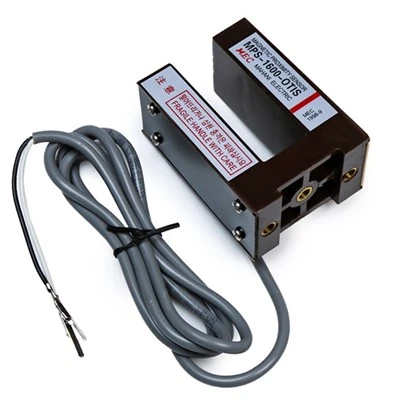
If you’re in the market for elevator parts—whether you need a new governor, a replacement cable, maintenance kits, or anything else—we’re here to help. We don’t just sell parts; we know how they work, and we can help you pick exactly what you need, no overpriced garbage, no confusing jargon. Shoot us a note if you’ve got questions, need a quote, or just want to chat about elevator safety—we’re always here.
Elevator Parts for LG-SIGMA References:
- ASME A17.1 Safety Standard for Elevators and Escalators
- Elevator World Magazine, “The Unsung Safety Device: Elevator Governors” (2021)
- Occupational Safety and Health Administration (OSHA), Elevator Safety Guidelines
- National Elevator Industry Educational Program, “Understanding Elevator Safety Components” (2020)
Shaanxi Nona Elevator Parts Co., Ltd.
As one of the leading general elevator parts manufacturers and suppliers in China, we warmly welcome you to wholesale bulk general elevator parts in stock here from our factory. All elevator parts are with high quality and competitive price. For pricelist, contact us now.
Address: No.1502 Ronghao Building, Xi’an City, Shaanxi Province, China
E-mail: candice@nonaelevator.com
WebSite: https://www.nonaelevatorparts.com/
