Hey folks, let’s cut to the chase – if you’re a suit guy (or gal), there’s nothing worse than pulling your go-to blazer out of the closet the night before a big client meeting or wedding, only to spot a crinkle that looks like you slept in it on purpose – and then panicking that a hot iron’s gonna turn that crisp charcoal into a charred, shiny mess that looks like it’s been through a campfire. As someone who’s spent years supplying business suits to guys who’d rather crunch numbers than master laundry hacks, I’ve seen way too many folks mess this up. So let’s break down how to iron a suit without ruining it, no fancy tools or fancy degrees required. Business Suit
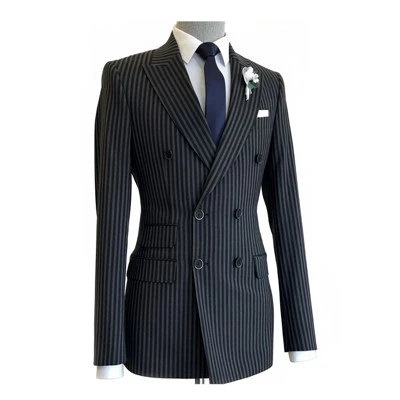
First, let’s get one thing straight: a business suit isn’t a pair of cotton gym shorts. The fabrics we use (I work with wool blends, high-thread-count polyester, even some luxury viscose) are way more finicky than a 5-dollar t-shirt. Most people start cranking the iron to the highest heat right away – that’s the #1 mistake. Wool, for example, has a low burn point (around 230°F, which sounds high until you realize a lot of irons max out at 400°F). Polyester melts at even lower, like 210°F. That shiny, discolored spot you end up with? That’s not just a wrinkle – that’s burnt fabric fibers, and once that happens, you can’t fix it with a trick or a tweak. Trust me, I’ve had customers send back suits because they turned a deep navy into a sad, glossy gray stain, and it’s not pretty for anyone.
Let’s start with prep, because skipping this step is how you get a disaster. First, take your suit pieces apart. I know, I know – ironing a whole suit is a pain, but ironing the blazer, vest, and pants separately gives you way more control. And always check the care tag. Yeah, that tiny piece of paper sewn inside the blazer’s lining – it’s not there to be decorative. A lot of folks ignore it, but it’s your cheat sheet. It’ll tell you what fabric it is, the correct iron temp, even if you can use steam. For most of the suits I supply, it’s a 100% wool or 80/20 wool-poly blend, so medium heat (around 300°F) is the sweet spot. Skip the “linen” setting if your suit is wool – that’s way too hot.
Next, don’t iron it right out of the closet. If your suit’s got wrinkles from hanging (or folding in storage), hang it in the bathroom and run a hot shower for 5-10 minutes. The steam will relax most light wrinkles without you lifting an iron. That’s a pro trick I share with all my clients – way easier than fighting a stubborn wrinkle with a hot iron. If you do have to iron, lay down a proper surface. A wooden ironing board is better than a plastic or metal one, but if you only have a regular board, cover it with a cotton towel. No, a thin polyester cover won’t cut it – you want a thick enough towel that the iron doesn’t press through and leave marks on the other side.
Now, the big one: the iron’s settings. Let’s get this right. No steam? Don’t use it. Wait, no – wait, use steam, but sparingly. Here’s the thing: steam helps relax wrinkles, but too much steam can leave water spots, especially on dark suits. And if your iron’s steam setting is at full blast? Those big drops of water can splash onto the fabric and cause permanent stains. So set your iron to medium heat, and use the steam only in short bursts, and hold it 1-2 inches away from the fabric, not directly on it. Also, never use the iron’s spray function unless the care tag says it’s okay – that’s just another way to get water spots.
Let’s walk through each piece, starting with the pants, because that’s where most folks mess up the crease. For suit pants, turn them inside out first. Yeah, I said that – ironing the inside out prevents shine on the outside, which is a surefire way to make your suit look cheap (even if you paid good money for it). Lay them flat, front sides together, so the legs are folded perfectly. I always use a clothespin to clip the waistband down so it doesn’t move. Now, iron the inside of the legs first, from the bottom up – don’t press too hard, just glide the iron slowly. Then, if you want a sharp crease, lay a ruler along the center of the leg (that’s where the crease should be) and iron over it. Hold the iron there for 2-3 seconds, then lift it – don’t slide it back and forth, that’s how you get shine.
For the blazer? This is the tricky part. Never press the chest of the blazer directly with the iron – that’s where the shape and padding is, and too much heat will flatten it out, making your suit look boxy. Instead, iron the lining first. The blazer’s lining is usually a smooth polyester, so medium heat is perfect here. Glide the iron along the lining of the sleeves, the sides, and the back, but skip the chest entirely. If there are wrinkles on the outside of the chest, use a press cloth – a thin cotton handkerchief or a piece of muslin works great. Lay that cloth over the blazer’s chest, then iron through it, again in short glides, no pressing hard. The sleeves are another spot that gets wrinkled – turn them inside out, lay them flat, and iron from the shoulder down to the cuff, avoiding the button area.
Wait, let’s talk about button areas. Never iron over buttons, right? Because that can melt the button (especially plastic ones) and leave a hole. If you have a button that’s on a spot that’s wrinkled, just steam it from a distance or use the press cloth around the button. And what about pockets? The inside of the pocket can get a little wrinkled, so iron the inside of the pocket, but don’t stick the iron all the way in – you’ll melt the pocket liner.
Now, the common mistakes that lead to burning. First, don’t iron a damp suit. If you just steamed it, let it dry for a few minutes before you iron it – damp fabric combined with hot iron can cause water stains, but also, if you leave the iron on too long, it’ll burn the damp fibers more easily. Second, don’t let the iron sit on one spot for more than 2-3 seconds. That’s the golden rule. Sliding the iron is fine, but staying in one place? That’s how you get a shiny spot or a hole. Third, if you see a shiny spot already? Don’t panic. For a light shine, you can rub the spot with a clean, dry cloth (like a microfiber towel) or a little bit of fabric powder (baby powder works, just brush it off after) – that absorbs the excess oil from the fibers that causes the shine. If it’s already burnt, well, that’s a tough one – you can try to snip off the burnt fibers with small scissors, but it’ll be a tiny hole, so prevention is way better.
Let’s also cover what to do if you don’t have time to iron. If you’re in a pinch, hang your suit in the bathroom, turn the shower to hot, close the door, and let it steam for 10 minutes. That’ll get out most light wrinkles. Then, hang it up for 5 minutes, and give it a little tug on the shoulders and sleeves to smooth it out. No iron needed, and way less chance of burning.
Now, as a suit supplier, I can tell you this: a well-cared-for suit can last 5-7 years, even with weekly wears. But if you mess up the ironing, you’ll have to replace it in a year, easy. That’s why we always include a small care sheet with every suit we send out – but I know most folks lose those, so here’s a quick recap: check the care tag, medium heat, use steam sparingly, turn pieces inside out, use a press cloth for tricky spots, no pressing too hard, and never leave the iron in one spot.
Wait, one more pro tip: if you burn a suit? Don’t try to fix it with a magic product. A lot of guys will run to a hardware store and grab some rust remover or something, that’s way worse. Just take it to a professional dry cleaner – they have the tools to blend the fabric or fix the burn without ruining the suit entirely. I’ve sent a few suits to cleaners for minor burns, and they’ve pulled it off, so it’s worth a shot.

At the end of the day, ironing a suit isn’t rocket science, but it’s not the same as ironing a t-shirt. The biggest thing is to take your time, not rush it, and respect the fabric. Now, if you’re in the market for a high-quality business suit that’s easy to care for, whether you’re ironing it at home or sending it to the cleaners, we’ve got you covered. We specialize in suits that hold their shape, resist wrinkles, and are designed to look sharp without being so fragile that one wrong iron move ruins them. Whether you need suits for your team, or a custom fit for you, we’re here to help. Just reach out to us to chat through your needs, ask questions about suit care, and find the perfect suit for your wardrobe.
Polyester Necktie References:
- Textile Institute. Care and Maintenance of Apparel Fabrics. 2021.
- American Drycleaners Association. Suit Care Best Practices. 2022.
- Woolmark Company. Suit Fabric Care Guidelines. 2020.
- Polyester Industry Council. Synthetic Apparel Care Tips. 2021.
Ningbo Mantinno Fashion Co., Ltd.
As one of the most professional business suit manufacturers and suppliers in China, we also support customized service. Welcome to wholesale bulk high quality business suit in stock here from our factory. If you have any enquiry about quotation, please feel free to email us.
Address: Huijin Building, No.77 Heyi Road, Haishu District, Ningbo, Zhejiang, China
E-mail: helen@mantinno.com
WebSite: https://www.mantinnosuit.com/
