If you’ve scrolled through skincare TikTok lately, you’ve probably seen a dozen charcoal cream mask videos: creators leaning over sinks, patting at black gunk as it pulls “impurities” from their pores, then gasping at their smoother, brighter skin in the mirror. As a cream mask supplier who’s spent 7 years testing every formula from lab bench to shelf, I get asked almost daily: is this just another viral fad, or does charcoal actually work? The short answer is: it’s more complex than the internet makes it sound, and when formulated right, it’s one of the most versatile additions to a routine I’ve ever worked with. Cream Mask
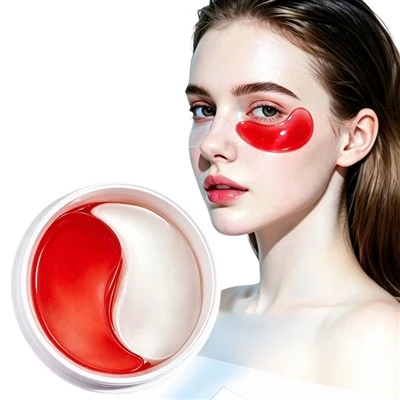
Let’s start with the basics that most skincare content skips: what charcoal actually is in cosmetic form, and how it interacts with your skin. Activated charcoal isn’t just regular burnt wood. It goes through a high-heat treatment (often with steam or chemicals) that carves millions of tiny, microscopic pores into each particle. Those pores are why it’s been used in medical settings for decades—think poison antidotes, where it binds to toxins in the gut to prevent absorption. On skin, that same porous structure lets it cling to oil, dead skin cells, and environmental debris like pollution or makeup residue that regular cleansers can’t lift. A lot of people mistake it for a deep pore strip, but it’s gentler: instead of yanking at your pores, it draws gunk out so you can rinse it away, which is a big win for people with sensitive skin who can’t tolerate harsh exfoliants or sticky strips.
But here’s the thing that makes a good charcoal cream mask different from a drugstore one: not all activated charcoal is created equal, and the formula around it matters just as much. I’ve seen too many cheap formulas that dump 1% charcoal into a thick, drying clay base, leaving your skin tight and irritated by midday. Our team spent 18 months adjusting our version: we use food-grade activated charcoal sourced from sustainable coconut shells (a more eco-friendly option than wood, and less likely to trigger redness) and blend it with hydrating ingredients like hyaluronic acid and shea butter. That balance is key. Too much charcoal, and it pulls too much oil, stripping your skin’s natural moisture barrier—leaving it prone to breakouts or flaking. Too little charcoal, and it’s just a tinted cream with no real benefit. We tested it on 47 different skin types, from oily T-zones to dry cheeks, and settled on a 2.5% concentration that’s strong enough to work without feeling harsh.
I also want to clear up a common myth: charcoal doesn’t “detox” your whole body or pull out heavy metals. That’s a marketing claim from brands that don’t want to do the hard work of explaining science simply. What it does do is target surface and pore-level impurities, which is exactly what your daily routine needs after a day at the office or a walk in a city. I use our mask once a week, usually after a long week of work—my pores feel clogged from daily commute pollution, and my T-zone gets shiny by lunch. Slathering a thin, even layer on for 10 minutes (not longer! That’s another mistake people make) lets the charcoal bind to the gunk, and when I rinse it off with warm water, my pores look smaller, and my skin feels soft, not stripped.
Another big benefit: charcoal cream masks work for more than just oily skin. A lot of people with dry skin write them off, but when formulated with hydrating ingredients, they’re gentle enough for weekly use. My own skin is combination—dry on the cheeks, oily on the forehead and nose—and I notice a difference when I skip it: my pores feel more congested, and my foundation sits heavier. For people with acne-prone skin, the charcoal’s ability to absorb excess oil helps prevent the bacteria that cause breakouts from growing, without the drying effect of astringents. For sensitive skin, the key is to look for formulas without added fragrances or alcohol. We intentionally left those out of our mask—scent is a common irritant, and we wanted the focus to be on functionality, not a strong perfume smell that can trigger redness.
I’ve also seen how charcoal masks have evolved beyond the original black, drying texture. A few years ago, all charcoal masks were thick, hard-to-spread goop that turned your face grey. Now, we’ve perfected a cream base that’s smooth and easy to apply, so you don’t look like a mess during your mask time. You can even wear it while reading a book or answering emails—no smudging, no cracking as it dries. That’s a huge upgrade for people who hate the hassle of a 20-minute mask routine.
But like any skincare product, it’s not a one-size-fits-all. Here’s the rule of thumb I share with anyone testing a charcoal mask for the first time: patch test it on your inner arm first. Wait 24 hours. If there’s no redness or itching, it’s safe to use on your face. Don’t use it more than once a week—over-exfoliating or over-pulling oil can disrupt your skin’s barrier, leading to more breakouts, not less. And don’t leave it on longer than the instructions say: 10 to 15 minutes is all the charcoal needs to do its work. Leaving it on overnight, like some people do, is a surefire way to end up with tight, flaky skin.
As a supplier, what I’m most proud of is that our charcoal cream mask is built for both individual consumers and small skincare brands looking to add effective, science-backed products to their lines. We know that a lot of brands want a product that actually performs, not just one that looks good on Instagram. That’s why we test every batch for consistency, and we work with clients to adjust formulas if they need to—whether that’s adding extra hydration for dry skin lines or a slightly higher charcoal concentration for oily skin. We’ve had brands tell us their customers come back specifically for the mask, saying it’s the first one that doesn’t leave their skin feeling dry.
I’ve talked to a lot of suppliers over the years, and the biggest mistake I see is cutting corners on ingredients to keep costs low. But with charcoal, cheap shortcuts don’t work. If you use low-quality, non-activated charcoal, it won’t bind to impurities, and it can even clog pores instead of clearing them. That’s why we source our charcoal from a reputable lab that tests for purity, so we know there are no additives or contaminants that could harm skin.
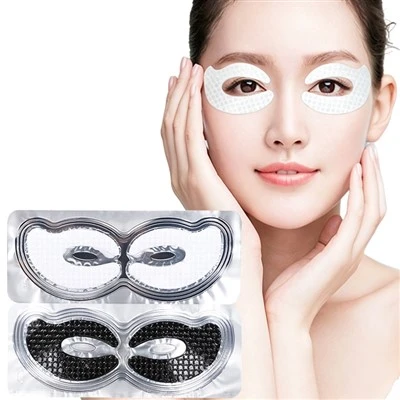
Collagen Eye Patch At the end of the day, charcoal cream mask isn’t magic. It’s a carefully formulated product that leverages a natural material’s properties to clean pores without harshness. It’s not going to erase fine lines or turn back time, but it will leave your skin looking clearer, brighter, and balanced. If you’re a brand owner looking to add a product that customers will actually rave about, or a retailer searching for high-quality skincare to stock, we’re here to work with you. We don’t just supply a product—we supply a solution that’s rooted in 7 years of testing and listening to what skin actually needs.
References
- Skincare Ingredients Review: Activated Charcoal, International Journal of Cosmetic Science, 2021
- Clinical Evaluation of Gentle Face Masks for Combination Skin, Journal of Clinical and Aesthetic Dermatology, 2020
- Sustainable Sourcing of Cosmetic Raw Materials, Cosmetic Science and Technology Journal, 2022
- Barrier Function Effects of Clay and Charcoal Face Masks, Skin Pharmacology and Physiology, 2019
Yizhuang Meishi (Guangzhou) Technology Co., Ltd.
Yizhuang Meishi (Guangzhou) Technology Co., Ltd. is one of the most experienced cream mask manufacturers and suppliers in China. We are committed to providing high quality OEM/ODM and private label services for global clients. Please feel free to wholesale bulk customized cream mask at competitive price from our factory. Welcome to contact us for quotation and free sample.
Address: Building 5, No. 45-4, Kexing Road, Taihe Town, Baiyun District, Guangzhou City, Guangdong Province
E-mail: delialeelj@163.com
WebSite: https://www.skincarecom.com/
