If you’re running a hot dip galvanizing (HDG) operation, the backbone of your whole line is the equipment—right? I get it, I’m a supplier that works with dozens of galvanizers every year, and one question that comes up nonstop is: “How long will my HDG gear actually last?” It’s not a trivial question. If you’re budgeting for new line components, planning a replacement, or just trying to avoid a mid-shutdown meltdown (been there, fixed that), knowing the real lifespan isn’t just guesswork—it’s how you keep your shop running, your costs predictable, and your output steady. Hot Dip Galvanizing Equipment
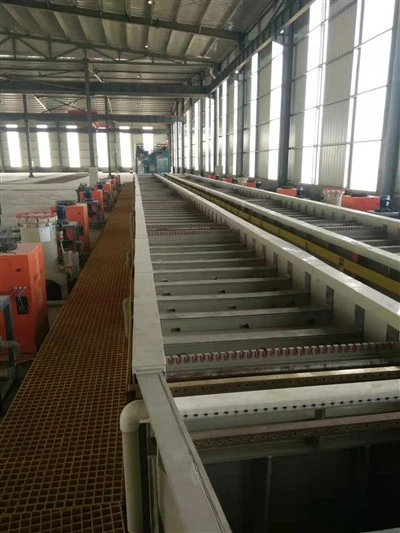
First, let’s get one thing straight: there’s no one-size-fits-all number here. A lot of “industry averages” you’ll see online are fluff, because lifespan depends on a million little variables you can’t gloss over. But I can break it down by the main parts of your HDG line, call out what actually moves the needle, and give you the real deal on how long you can expect things to hold up.
Let’s start with the core parts that make up most HDG lines, because each has its own lifespan. The biggest hunk of any line is the process tank—your molten zinc bath. That tank is usually made of carbon steel, right? Some are lined, some are solid, but they take a brutal beating day in and day out. Zinc is hot—like 840-850°F hot—and it’s corrosive to steel, especially when you add in the flux fumes that creep everywhere. Now, if you run your line steady, follow basic maintenance, don’t let things slosh too hard, that tank can last anywhere from 12 to 20 years. Wait, why the huge gap? If you’re running thick-section parts that drag around with big hooks, or you’re overheating the zinc to cut down on coating time, that corrosion speeds up. I had a client last year who ran a line 24/7 with no weekly deep cleans, and his tank only made it 9 years before a leak forced him to shut down for three weeks. That’s avoidable.
Next, the parts that move parts through the line: the work handling systems—your conveyors, hooks, overhead cranes, and the stuff that carries steel parts into and out of the zinc. These are often the first to wear out, and their lifespan is way shorter than the tank. Let’s be real: hooks get banged up on sharp steel edges, they’re dipped in hot zinc and flux, and every time you lift a 10,000-pound batch of parts, that takes a toll. Basic steel hooks that are used for general structural parts? They’ll last 3 to 5 years if you’re replacing the ones that get dented and reconditioning the others. If you’re running specialty parts—like high-tension fasteners or heavy agricultural equipment—you might go through hooks every 2 years. Even the conveyor chains and rails, which are usually alloy steel to handle heat, will get worn out from friction and thermal stress. I’ve seen a well-maintained conveyor system last 10 years, but only if you’re lubricating the right parts, not overloading the line, and doing monthly inspections for cracked links.
Then there’s the auxiliary equipment that people sleep on: pickling tanks, flux tanks, the fume extraction systems, and the heating systems for the zinc bath. Pickling tanks are full of acid—usually hydrochloric or sulfuric—so they corrode fast. Those are usually lined with rubber or fiberglass, and if you’re draining and re-lining them every 5 years, they can last 15 to 20 years. But skip the re-lining, or use the wrong liner, and you’ll have a leak in 3 years. Fume extractors? Their lifespan is tied to the filters and the fans. The fans themselves will last 8 to 12 years if you’re changing filters regularly, cleaning the ducts, and not letting zinc fumes build up and gum up the impellers. Heating systems—like the burners that keep your zinc hot—those are a different story. They’re usually rated for 15 to 20 years, but if you’re running them at 100% capacity 24/7, or letting dust and debris clog the burners, they might only make it 10.
Now, let’s talk about what actually ruins equipment faster than anything. This is the part no one tells you—most of the “early failures” aren’t because the equipment is bad, it’s because of how you use it. First, thermal cycling. Every time you heat up a cold tank, dip cold parts into hot zinc, or shut the line down and restart it, you’re expanding and contracting metal. That causes cracks, warping, and stress that builds up over time. If you’re running a batch line that starts and stops every shift, that’s way harder on gear than a continuous line that runs steady 5 days a week. Then there’s maintenance neglect. I can’t tell you how many clients I’ve visited who have a conveyor with a cracked chain link, but they keep running it because it “still works.” That crack will turn into a break mid-batch, and you’ll have 5,000 pounds of parts stuck in the zinc, ruining the parts and the tank. Small things—like not tightening a rail, or letting a hook sit in the zinc 2 hours too long every day—add up fast.
Bad operating practices are another big one. Overheating your zinc? That makes the metal more corrosive, so your tank wears out 3x faster. Overloading the line? Too much weight on the hooks and conveyor chains breaks them. Using the wrong material for parts? I see this all the time—someone tries to use a cheap steel hook for super heavy parts, and it bends in the zinc. Even the flux you use matters. Old, contaminated flux has more impurities that react with steel, speeding up corrosion on everything from hooks to tank walls.
Wait, let’s not forget upgrades and retrofits. A lot of galvanizers will repurpose old equipment, or add new parts to extend lifespan. For example, if your tank is only 10 years old and the walls are thinning but not leaking, you can add a zinc alloy coating to the inside to add 5 more years. Or if your hooks are worn, you can have them reconditioned (sharpen the points, reinforce the bends) instead of buying new ones, which adds 2-3 years of use for a fraction of the cost. That’s a big win for small to medium shops that can’t drop $50k on new hooks every year.
Now, let’s get to the real numbers you can plan for, broken down by component, based on the 100+ lines I’ve worked on:
- Hot dip process tanks (carbon steel, properly maintained): 12–20 years.
- Work hooks (carbon steel, general use): 3–5 years; alloy steel, heavy use: 4–6 years.
- Conveyor chains and rails: 8–12 years (continuous line, good maintenance); 5–8 years (batch line, heavy use).
- Pickling/flux tanks (lined): 10–18 years (with regular re-lining every 5–7 years).
- Zinc bath heating systems: 15–20 years (proper cleaning and burner maintenance).
- Fume extraction systems: 10–15 years (fan units) ; 2–4 years (filters/duct liners).
- Control systems (PLCs, sensors): 10–15 years, but software updates can keep them running longer, so don’t write off a control system just because it’s 10 years old.
Another thing to note: if you’re looking at used equipment, lifespan changes a lot. A line that’s been sitting idle in a warehouse for 2 years isn’t the same as one that ran 24/7 for 10. Idle equipment will get rusted, seals will dry out, and parts will seize up. A used line that’s been properly stored can still have 8–12 years left, but a used line that’s been sitting outside with no cover? You’re lucky if it has 5.
Wait, let’s address a common myth: some people say galvanizing equipment lasts forever. No. The zinc itself eats through steel, and the heat and constant movement take their toll. I’ve had clients brag about a line that’s 25 years old, but when I looked at it, the tank walls were 1/8 inch thick (they should be 1/2 inch for a new tank), and they were patching leaks every 6 months. That’s not a well-running line—that’s a line that’s on borrowed time.
So, what does this mean for you? If you’re a galvanizer, don’t just plan for “it’ll last 15 years” and ignore small maintenance. Do monthly inspections of hooks and chains, track how your tank is corroding (most shops do ultrasonic tests every year, that’s $500 well spent), and adjust your operating practices to cut down on wear. If you’re looking to buy new equipment, ask your supplier about the materials they use—we make our tanks with a thicker carbon steel base, and our hooks are heat-treated alloy, so they last longer than the cheap stuff you’ll find from no-name suppliers.
I work with galvanizers of all sizes, from small shops with one line to big operations with 5 lines. The biggest mistake I see is people waiting for a big shutdown to replace parts, instead of planning for lifespan step by step. For example, if you know your hooks last 4 years, budget for replacing 20% of them every year, so you never have a shortage when a batch fails. If your tank is 10 years old, start budgeting for a new one in 5 years, not 1.
If you’re not sure where your equipment stands, that’s what I’m here for. We can do a walkthrough of your line, point out parts that are wearing faster than they should, give you a realistic timeline for replacements, and even help you with retrofits to extend your equipment’s lifespan. No sales pitch, no fine print—just straight talk on what works and what doesn’t for your shop.
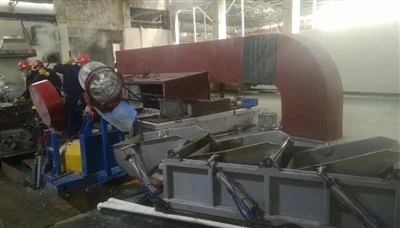
So, if you’re tired of unexpected breakdowns throwing off your production schedule, or you’re planning to upgrade your line and want to make sure your investment lasts, reach out to us. We can walk through your specific setup, answer all your questions about lifespan, and help you pick parts that fit your budget and your workflow. No vague “industry averages” here—just real numbers based on working with galvanizers every day.
Hot Dip Galvanizing Equipment Parts References
- American Galvanizers Association. (2022). Hot Dip Galvanizing Equipment Maintenance Best Practices.
- International Zinc Association. (2021). Lifespan Analysis of Galvanizing Line Components.
- Galvanizers Association of Canada. (2023). Operating Guidelines for Extending Hot Dip Galvanizing Equipment Service Life.
Jinzhou Hongri Galvanizing Equipment Co., Ltd.
As one of the most professional hot dip galvanizing equipment manufacturers and suppliers in China, we’re featured by quality products and good price. Please rest assured to buy durable hot dip galvanizing equipment for sale here from our factory. We also accept customized orders.
Address: Yingpan Industrial Park, Taihe District, Jinzhou City. Address: No. 90, Gongwei Street.
E-mail: rsea.jz@163.com
WebSite: https://www.hrgalvanize.com/
