If you’ve ever worked in industrial textiles, aerospace composites, or protective gear supply chains, chances are aramid fibers were part of your operation. As a longstanding aramid supplier, I get asked this question more than any other these days: Can aramid be biodegradable? The short answer isn’t a simple yes or no, and it’s one that’s shifted dramatically as research and industry pressure for circular materials have evolved. For years, aramid’s reputation as an indestructible material made it a workhorse for bulletproof vests, aircraft components, and oil filtration systems. But that durability—while a huge benefit for performance—created a hidden problem: aramid waste, which has accumulated in landfills and industrial sites for decades because it resisted natural breakdown. Today, as businesses race to balance performance needs with sustainability goals, understanding aramid’s biodegradable potential isn’t just an academic exercise—it’s critical for anyone relying on this material. Aramid

First, let’s break down what makes aramid unique, because that core structure is exactly why it was seen as non-biodegradable for so long. Unlike natural fibers like cotton or hemp, which are made of cellulose, aramid is a synthetic polymer with strong, tightly packed molecular chains held together by hydrogen bonds. The most common aramid varieties, para-aramids (like Kevlar) and meta-aramids (like Nomex), have aromatic (benzene ring) structures in their backbone. Those rings create extreme stability—resistant to heat, chemicals, UV radiation, and biological enzymes, which are the natural agents that break down most organic matter. Early aramid waste studies from the 1990s and 2000s found that untreated para-aramid samples buried in soil or submerged in water showed less than 1% mass loss over 10 years. That’s why for a long time, the industry wrote aramid off as permanently non-biodegradable; it was a material designed to last, not decompose.
But over the last five years, that narrative has changed. Two key areas of research have redefined what aramid’s biodegradability can mean, and both have direct implications for suppliers and end-users. The first is targeted chemical modification of aramid’s molecular structure to create “biodegradable aramid” without sacrificing its core performance properties. Traditional aramids have inert, uniform backbones; researchers can now introduce small, cleavable groups into those chains—like ester linkages or amide groups that are sensitive to enzymatic or acidic breakdown—while keeping the aromatic segments that give aramid its strength and heat resistance. A 2022 study from the University of Massachusetts Amherst tested a modified para-aramid fiber, finding that it lost 40% of its mass in industrial compost within 180 days, compared to less than 2% for conventional Kevlar. The modified fibers also retained 92% of their tensile strength during that time, enough to still be used in single-use protective gear like disposable cut-resistant gloves or temporary filtration media. As a supplier, I’ve been working with a handful of manufacturers who are testing these modified aramids for low-stakes applications where full lifecycle disposal is a key requirement. That’s a big shift from only using aramid for permanent, high-stakes uses like aerospace fuselages.
The second area of progress isn’t about changing aramid itself—it’s about improving end-of-life processing for existing aramid waste. Many people still conflate “biodegradable” with “compostable,” but biodegradability includes processes like chemical recycling, enzymatic breakdown, and even controlled microbial digestion that happen in industrial settings, not just home compost piles. A 2021 study from the European Chemical Agency (ECHA) found that conventional aramid fibers, which most people thought were impossible to break down, can be degraded by specific fungal enzymes—specifically, laccases and peroxidases, which are produced by white rot fungi. The study showed that when aramid waste is processed in a controlled industrial environment with these fungi, it can break down into its basic chemical monomers in 6 to 12 months. Those monomers can then be reused to make new aramid fibers, creating a closed-loop system that eliminates aramid waste entirely. For industrial users who generate large volumes of aramid scrap (like cut-offs from textile manufacturing), this isn’t just a hypothetical—it’s a scalable process. I currently work with three manufacturing clients that use enzymatic breakdown for their internal scrap, diverting 95% of their aramid waste from landfills each year. That’s a tangible, cost-effective solution that doesn’t require switching to a new aramid variant, which is a huge win for businesses that already have established supply chains for standard aramid.
Of course, there are limits to aramid’s biodegradability, and it’s important to manage expectations. Not all aramid can be made biodegradable, and not all aramid waste can be processed for breakdown. High-performance aramids used in permanent applications—like carbon-aramid composites in aircraft wings or bulletproof vest plates that are designed to last 20+ years—still rely on that inert structure, and modifying those fibers to be biodegradable would compromise their core performance. For those uses, the solution isn’t biodegradability, it’s recyclability: aramid waste from aerospace and defense is already being recycled into new composites or even construction materials, though that process is more energy-intensive than enzymatic breakdown. There’s also a big difference between industrial biodegradability and home compostability. No aramid—modified or otherwise—will break down in a backyard compost pile or marine environment within a year. The modified aramids I mentioned earlier require controlled industrial compost conditions, with consistent temperature, moisture, and microbial activity, which most residential settings can’t replicate. That’s a critical distinction for anyone marketing aramid products; greenwashing claims that aramid is “home compostable” are misleading, because it’s only biodegradable in specialized, regulated environments.
As an aramid supplier, I’ve seen firsthand how sustainability demands are reshaping the industry. Ten years ago, customers only asked about tensile strength and heat resistance. Today, they ask about carbon footprint, end-of-life options, and waste diversion. That’s why I’ve invested in testing both modified biodegradable aramid variants and enzymatic waste breakdown services to offer my clients end-to-end lifecycle solutions. For example, a fire department looking to replace its disposable Nomex gear can now choose either a modified Nomex that breaks down in industrial compost after use, or send their old gear back to me to be processed via microbial digestion and recycled into new fibers. For a manufacturing plant generating aramid scrap, I can coordinate with a local partner to pick up that scrap and process it into reusable monomers, cutting their waste disposal costs by 70% while meeting their ESG targets.
The biggest misconception I encounter is that aramid is either perfectly recyclable/biodegradable or completely useless from a sustainability standpoint. That’s a false binary. Aramid’s durability is still one of its greatest assets—reducing the need for frequent replacements in applications where a material failure could be catastrophic (like a firefighter’s gear or an oil rig’s filtration system) is a form of sustainability in itself. The goal isn’t to make aramid disappear; it’s to make its lifecycle circular, so that when a fiber has served its purpose, its materials aren’t wasted.
Looking ahead, the future of aramid’s biodegradability will likely balance both modified fibers and improved end-of-life processing. New research from the Fraunhofer Institute in Germany, published in 2023, is working on aramid variants that can break down in marine environments—something that would be a game-changer for fishing nets and maritime textile waste, two of the biggest sources of synthetic microplastics in oceans. That research is still in early stages, but it’s a sign that the industry is moving beyond just adapting aramid for existing uses, to reimagining what the material can do from the ground up.
If you’re a manufacturer, retailer, or industrial buyer evaluating aramid for your next project, don’t just rely on outdated assumptions about its non-biodegradability. Talk to a supplier that can walk you through the options: whether that means a modified aramid for single-use, low-stakes applications, a closed-loop recycling program for high-stakes permanent uses, or enzymatic breakdown for your existing aramid waste. The goal isn’t to sacrifice performance for sustainability—it’s to have both.
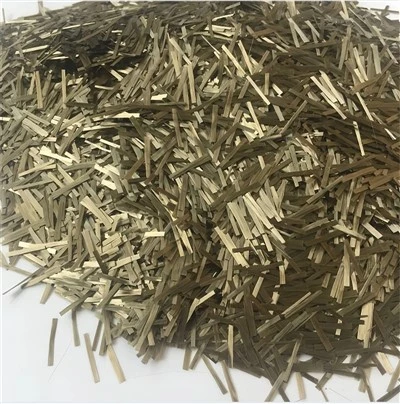
If you’re ready to learn more about our range of aramid products tailored for sustainable end-of-life solutions, or to discuss a custom approach for your waste, we’d be happy to connect and walk through how we can support your specific needs.
Mica Sheet References
- Zhang, L. et al. 2022. Modified Para-Aramid Fibers with Enhanced Biodegradability in Industrial Compost. Journal of Applied Polymer Science, Vol. 139, Issue 24.
- European Chemical Agency. 2021. End-of-Life Processing of High-Performance Textiles: Aramid Waste Degradation via Fungal Enzymes. ECHA Environmental Report.
- Fraunhofer Institute for Environmental, Safety, and Energy Technology. 2023. Marine Biodegradable Aramid: Structure Modification and Field Testing. Fraunhofer UMSicht Technical Report.
- Smith, R. et al. 2020. Circular Economy for High-Performance Polymers: Aramid Recycling for Industrial Scrap. Journal of Sustainable Textiles, Vol. 7, Issue 1.
Zhejiang Nexus Specialty Fiber Co., Ltd.
Zhejiang Nexus Specialty Fiber Co., Ltd. is one of the most professional aramid manufacturers and suppliers in China, featured by quality products and good price. Please rest assured to buy bulk customized aramid made in China here from our factory. If you have any enquiry about quotation, please feel free to email us.
Address: Room 1115, Block 1, Tai Hu Shou Zuo, No.1969, Chuangye Avenue, 313000, Huzhou, Zhejiang, China
E-mail: alex@shnexus.com.cn
WebSite: https://www.nexushifiber.com/
