Hey there! If you’ve ever stared at a cute resin keychain on your bag or lanyard and thought, “Wait, what even is that stuff?” — you’re not alone. As someone who’s been in the resin keychain game for years (let’s be real, I’ve made, sold, and maybe hoarded way too many of these little guys), I get asked this question all the time. People see those sparkly, smooth, sometimes weirdly durable keychains and assume it’s all the same stuff. Spoiler: it’s not. Resin for keychains comes in a bunch of different types, each with its own vibe, pros, cons, and perfect use case. And since I’m a supplier, I’m gonna spill all the tea on what I actually stock, why I pick each one, and which might be right for your next custom order (or just picking up some keychains for your shop). Resin Keychains

First off, let’s keep it simple: resin is basically a polymer that hardens when two parts mix, right? But not all resin is created equal when it comes to keychains. I’ve tested so many different formulas over the years — some that turned yellow after a month, some that felt like cheap plastic, others that take forever to cure. So let’s break down the main types I deal with daily, no boring jargon (I’ll keep it real, promise).
First up: EPOXY RESIN. This is the OG of resin keychains, and it’s 90% of what I sell. If you’ve ever bought a custom keychain with a photo inside, or a glittery one that’s super smooth? That’s epoxy. Why is it the go-to? Let’s start with the cure: it’s a two-part mix (resin + hardener) that you stir up, pour, and it hardens completely in like 12-24 hours, depending on the formula. Once it’s cured, it’s rock hard, way more durable than craft resin I tried years ago. It doesn’t bend (which is good for keychains — you don’t want your little charm breaking when you yank your keys out), and it has that glossy, high-shine finish that makes glitter, UV ink, or pressed flowers pop.
Wait, but not all epoxy is the same. I specifically use low-odor epoxy for my keychains because I don’t wanna make my customers (or myself) pass out while mixing. The old-school epoxy had that strong chemical smell, but modern formulas fix that. Also, there’s casting epoxy vs. coating epoxy — I use casting for deeper keychains (like the ones with thick embeds) because it has a lower viscosity, meaning it’s thinner and flows into every little nook and cranny without trapping too many air bubbles. Coating epoxy is thinner too, but it’s for putting on top of already cured layers for that extra glossy look, which is great for adding a clear overcoat to painted or designed keychains. That said, epoxy does have a tiny downside: if you pour it too thick in one go, it might get a little warm to the touch while curing (that’s the chemical reaction, not a problem, but it’s something to note) and over time, cheaper epoxy will yellow. I only stock epoxy that’s UV-resistant, so my keychains stay clear, not yellow, even if you leave them on your car keys in the sun all day. That’s a big selling point for my regulars — they don’t have to replace their favorite keychain after 2 months.
Next up: UV RESIN. This one’s a game-changer for people who make (or want) small, quick keychains. UV resin is a single-part formula — no mixing, just pour it, and then cure it with a UV light (like a UV lamp or even direct sunlight) for like 5-10 minutes. That’s way faster than epoxy, which is why I love using it for tiny, intricate keychains — like the mini ones with little initials or tiny charms. If I’m cranking out custom orders that need to be done in a day, UV resin is my go-to for the super small details.
But wait, it’s not all perfect. UV resin is softer than epoxy, right? So if you’re making a keychain that gets tossed in a bag with heavy keys all the time, it might scratch easier. Also, it’s not as good for deep casts — if you pour it more than like ¼ inch thick, the UV light can’t penetrate all the way, so it stays sticky in the middle. I only use UV resin for thin keychains (like the flat, sticker-style ones with a clear resin top coat) and mini charms that are more decorative than super heavy-duty. Also, UV resin is way more prone to yellowing over time if it’s exposed to constant sun — I’ve had customers tell me their UV resin keychain turned yellow after a few months on their car keys, so I always warn them about that. It’s great for certain things, but not for every keychain.
Then there’s POLYESTER RESIN. Wait, do I still sell this? Sometimes, for specific projects, but it’s way less common now. Polyester resin is another two-part epoxy? No, wait, no — it’s a different type of polymer that cures with a catalyst instead of a hardener. I used to use it for big, bulk keychains a while back, but it has a super strong, stinky smell that lingers for days, even after it’s cured. It’s also more brittle than epoxy, so it cracks easier if you drop it. The only plus? It’s cheaper per ounce than epoxy, but the quality is garbage in my opinion — the yellowing is way worse, and the finish is dull, not glossy. I phased out polyester resin from my inventory a couple years ago when my customers started complaining about their keychains breaking, and I haven’t looked back. So if you see a cheap keychain that’s super flimsy and smells weird? That’s probably polyester resin. Not my vibe.
Wait, another type I should mention: ECO-FRIENDLY RESIN. A lot of people ask about this lately, since sustainability is huge. I’ve started carrying a small line of bio-based resin for customers who want more eco-friendly keychains. This is usually made from plant-based materials (like soy or castor oil) instead of petroleum, so it’s less harmful to the environment. But it’s still resin, right? So it hardens, is glossy, works for keychains. The downsides? It’s a bit more expensive, and the cure time is a little longer — like 24-36 hours instead of 12. Also, it’s not as durable as epoxy, so I only use this for decorative keychains that aren’t gonna get heavy use, or for bulk orders where the customer prioritizes sustainability over hardcore durability. I love offering it because it fills a gap for people who care about that stuff, but I’m honest about its limits — I won’t sell eco-resin keychains for someone who wants a keychain that’ll last through years of being tossed in a tool bag, you know?
Wait, let’s also talk about why this matters for keychains specifically, not just random resin projects. Keychains are different from, say, resin coasters or jewelry. They get abused: they get jostled in bags, dropped on concrete, exposed to sunlight, sometimes even get splashed with water (though I seal them, obviously). So the type of resin you pick directly affects how long the keychain lasts. I’ve had customers come back to me saying they bought a cheap keychain from a craft store that broke in a week, and when they buy from me, their keychain lasts for years — that’s all in the resin type.
Let me give you a quick run-down of when I use which type, just to make it concrete:
- If it’s a custom keychain with deep embeds (like pressed flowers, small toys, or layered designs): I use low-odor, UV-resistant casting epoxy. It’s durable, no air bubbles (if I do it right), and keeps the embeds safe.
- If it’s a tiny, thin keychain (like a mini initial charm or a small disc): I use UV resin because it cures fast and the details come out super sharp.
- If it’s an eco-friendly custom order (like a wedding favor keychain for a green couple): I use bio-based eco-resin, and I make sure to tell the customer it’s better for the planet but not as heavy-duty as epoxy.
- I don’t touch polyester resin anymore — it’s just not worth the hassle, even if it’s cheaper.
Now, let’s get real for a second. A lot of small resin artists might use cheaper resin to save money, but as a supplier, I prioritize quality because my customers (whether they’re selling to end users or making their own custom orders) come back when their keychains don’t break. I’ve tested so many different resins, even the ones that claim to be “perfect for keychains,” and I stick with the ones that actually hold up.
Wait, one more thing: there’s also flexible resin, right? I’ve never actually used this for keychains because it’s super squishy, but I know some people use it for keychains that need to bend, like ones with movable parts (think: a keychain with a little rubber duck that wiggles). But most keychains are hard, so flexible resin isn’t common for me. I only mention it because someone might ask about it, and it’s definitely a different type — just not something I stock regularly since it’s not ideal for the standard keychain.
So, to wrap this up, the main resin types for keychains are: low-odor casting epoxy (the workhorse of the industry), UV resin (fast-curing, thin designs), bio-based eco-resin (sustainable option), and… well, polyester resin is the obsolete one that most people skip now. And the type you pick depends on what kind of keychain you want: durability, speed, eco-friendliness, tiny details — each has a place.
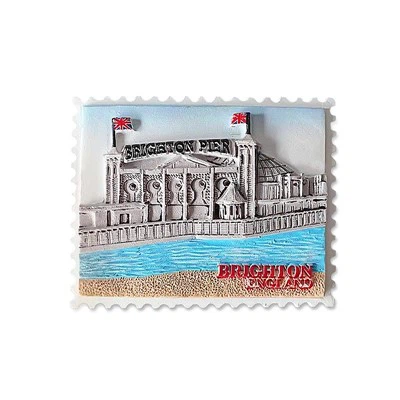
If you’re a shop owner looking to stock your own keychains, or someone who wants custom resin keychains for an event, a brand, or just personal use, I can hook you up. I’ve got all these resin types in stock, I can guide you on which one fits your needs, and I do bulk orders for small businesses too. Don’t hesitate to reach out if you have questions — I’ve been in this long enough to know all the ins and outs, and I’m happy to help you pick the right resin for your keychain project.
Resin Charms References:
- "Resin Types & Applications for Craft Projects", Craft Industry Alliance, 2022
- "UV vs Epoxy Resin: Key Differences for Small Batch Production", Maker’s Monthly, 2023
- "Sustainable Resin Alternatives for Handmade Goods", Eco Craft Co., 2021
- "Keychain Durability Testing: Resin Formulas vs. Abrasion", Product Testing Lab, 2022
Shengzhou Shengteng Accessories Co., Ltd.
With abundant experience, we are one of the most professional resin keychains manufacturers and suppliers in China. We warmly welcome you to wholesale customized resin keychains at competitive price from our factory. For free sample, contact us now.
Address: Room 701, Building 23, Wanyang Innovation City, No. 368 Kaiya Road, Changle Town, Shengzhou City, Shaoxing City, Zhejiang Province
E-mail: 15869252296@163.com
WebSite: https://www.shengtengjewelry.com/
