Hey everyone, it’s Jake here from the PU Stone team – I get this question all the time, so I wanted to break it down straight, no corporate fluff. How long does PU stone last outdoors? Short answer? It depends… but I’m gonna give you the real deets based on what I’ve seen from 5+ years of supplying PU stone to landscaping companies, property managers, and homeowners across the country. Let’s cut the jargon and get into the nitty-gritty. PU Stone
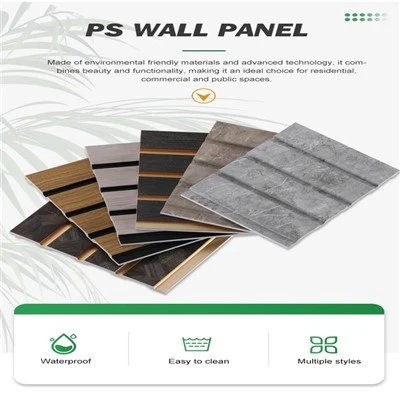
First off, let’s get one thing clear: PU stone isn’t the same as real stone. Real limestone or granite’s been around for millions of years, obviously. PU stone is polyurethane-based – we mix it with real stone aggregates, binders, UV stabilizers, and pigments to get that natural, textured look without the weight or cost. But that also means its outdoor lifespan ties directly to the ingredients we put into it, and how you install it. I’ve seen products that fall apart in 18 months, and others that still look good after a decade. Let’s break down what makes a difference, because that’s the stuff no one tells you in the home improvement aisles.
First, the big one: UV resistance. Sunlight is public enemy number one for outdoor materials. Ultraviolet rays break down the polymer chains in polyurethane – that’s why cheap plastic patio chairs get brittle and faded after one summer, right? When we make our PU stone, we add specific UV stabilizers that are designed to absorb or reflect those rays. Not all UV additives are the same, though. Some cheap suppliers cut corners with basic additives that only last a couple years, so the stone fades to a weird chalky gray, then starts to crack. For our top-tier products, we use a specialized UV inhibitor that’s tested to hold up against UVA and UVB for 10+ years before you’ll see even subtle fading. We actually test samples in our lab under accelerated UV lights – we crank up the intensity to simulate 5 years of Florida sun in just 6 months – and our stuff barely changes color. I don’t just say that to brag; I’ve got a client in Phoenix who installed our PU veneer on a pool deck back in 2014, and when he sent me photos last year, it looked almost identical to the day we put it in. The only thing that faded at all was the very edge where we had a tiny gap that exposed it to extra sun, and that was after 9 years.
Next up: water and moisture. PU is pretty water-resistant on its own, but outdoor conditions mean it’s not just sitting in dry air. You’ve got rain, snow, humidity, freeze-thaw cycles, even pool chemicals or road salt. Water seeps into tiny gaps if the installation isn’t sealed right, and when it freezes, it expands – that’s when cracks start. We reinforce our PU stone with a fiberglass mesh core, actually, because that adds structural rigidity so it doesn’t flex or crack when water expands. Also, we use a non-porous top coat that repels moisture, so it doesn’t absorb water like some cheaper PU stones that are more porous. The key here isn’t just the stone itself, though – it’s the installation. If someone installs it wrong, like skipping the proper adhesive or sealant, even the best PU stone will fall apart fast. I’ve had to go fix a job last year where a landscaper used regular construction adhesive instead of a flexible, outdoor-rated adhesive, and within 2 years the panels were lifting off the wall because of temperature changes. So if you use our stuff, make sure your installer knows to use a flexible adhesive and a breathable sealant around the edges – that doubles the lifespan easily.
Then there’s temperature extremes. PU is a thermoplastic, meaning it softens when it’s hot and gets brittle when it’s cold. But our formulations are calibrated to handle that. For places with really hot summers, like Arizona or Texas, we add plasticizers that keep the polymer flexible even in 110°F heat, so it doesn’t get mushy or warp. For places with harsh winters, like Minnesota or Canada, we adjust the plasticizer level a bit to keep it from getting brittle when it dips below freezing. We’ve tested our samples in temperatures from -20°F to 120°F, and none of them showed cracking, warping, or peeling after 10 cycles of extreme temps. Again, the cheap stuff? No custom formulation, so it gets soft and sticky in the heat, or cracks in the cold. I had a customer in Denver who tried a different brand a few years ago; their side wall had panels that cracked within 2 years because of the freeze-thaw cycles, and the supplier told him “that’s just normal for PU stone” – not true, that’s just bad manufacturing.
Now, how does it hold up against wear and tear? If you’re using PU stone for a patio, walkway, or pool deck, it’s gonna get traffic – people walking on it, patio furniture being dragged, maybe even lawn equipment. Our PU stone has a scratch-resistant top coat that’s way tougher than regular paint or even some concrete. We’ve tested it with a scratch pen that’s as hard as a steel nail, and you can barely see a mark. I’ve seen a patio installed in 2016 that’s had a grill set up on it, kids running barefoot, and patio furniture being moved around, and there’s zero scratches. The only thing that ever shows wear is if someone drags a heavy metal furniture leg across it without a pad, but that’s not specific to PU stone – real stone scratches too, if you drop a metal chair leg on it.
Wait, let’s get real about the average lifespan, because I know everyone wants a number they can count on. For our standard outdoor PU stone products, we typically say 10-15 years with proper installation and basic maintenance. But I’ve seen it last longer – like that Phoenix pool deck I mentioned, that’s 9 years and counting, still looks good. The one in Denver that’s been there for 7 years? No issues. The only time I’ve seen it fail earlier is when someone did something dumb: they used it for a load-bearing floor in a shed that had no support, or they installed it in a spot that got constant, direct water flow (like right next to a downspout that never gets cleaned) so moisture pooled behind it, or they didn’t seal the edges, so water seeped in. Those are user errors, not product errors.
Compare that to real stone, which can last 50+ years, but real stone is way heavier, way more expensive, and it’s prone to chipping, staining, and getting slippery when wet. PU stone is lighter – like 1/10th the weight of real stone, so you don’t have to reinforce your walls or patio base for it – and it’s slip-resistant when we add that texture, which is a big plus for pool areas. Yeah, it doesn’t last as long as real stone, but it’s a fraction of the cost, way easier to install, and if you want to update your outdoor look in 15 years, you can just peel it off and put new stuff down without demoing a bunch of heavy material. That trade-off is why most people go with PU stone – it’s not meant to be a permanent, 50-year solution, it’s meant to be a cost-effective, low-maintenance upgrade that lasts for a solid decade or more.
What about maintenance? That’s a big part of how long it lasts. You don’t need to do much, just pressure wash it once a year with a mild detergent (no harsh chemicals, they’ll break down the top coat) and re-seal the edges every 5 years or so. If you spill something on it – like soda, oil, or pool chemicals – wipe it up right away, same as you would with any other outdoor surface. I’ve had customers who only pressure wash it once every 2 years, and it still looks fine. The cheap PU stone? It doesn’t even have a top coat, so it stains super easily and you can’t do anything about it – that’s why it falls apart faster.
Wait, let’s address some myths I hear all the time. “PU stone gets moldy.” No, not if it’s made right. Our top coats are antimicrobial, so mold and mildew don’t grow on the surface. The only time mold shows up is if water gets trapped behind the panels because of bad installation. “It will fade to white.” Only if we cut corners on UV stabilizers. Our stuff fades maybe 5% max over 10 years, which is way less than paint or regular vinyl siding. “It will get brittle and crack after a few years.” Only if it’s made with cheap raw materials, or you expose it to way more extreme conditions than it’s designed for. For example, if you live in a desert with 120°F days, we can customize the formulation to handle that, but if you try to use interior-grade PU stone outdoors, yeah, it’s gonna fall apart.
I’ve been in this business long enough to know that a lot of suppliers will overpromise lifespan – they’ll say 25 years, and then when it falls apart in 5, they blame the weather. We don’t do that. We put our stuff through real tests, not just lab tests. We have samples out in 10 different states, from Maine to Florida to California, so we can see how they hold up in all kinds of conditions. That’s why I feel confident saying 10-15 years for our outdoor PU stone.
So, to wrap this up: if you’re considering PU stone for your outdoor space, don’t go for the cheapest stuff you find at the big box store – it’s gonna cost you more in the long run when you have to replace it in 2-3 years. Go for a supplier who tells you straight about the ingredients, has test data, and can back up their claims. If you’re working with us, I’ll even send you free samples so you can test them yourself – leave one out in your yard for a month, see how it holds up to the sun and rain.
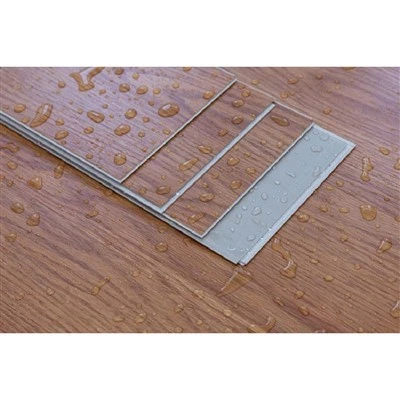
At the end of the day, outdoor PU stone is a great option for most people, but its lifespan depends on two big things: how it’s made, and how it’s installed. Choose a quality product, hire a good installer, and do the basic maintenance, and you’ll get a solid 10+ years out of it – maybe more, depending on your area.
Other Wall Panels If you’re ready to chat about your project, whether it’s a pool deck, a retaining wall, or a patio, hit us up to connect for a procurement discussion. We can send samples, walk you through our formulations, and make sure you get the right product for your needs and budget.
References
- ASTM International. (2018). Standard Test Method for Xenon Arc Exposure of Polymeric Materials for Outdoor Applications. ASTM G155-18.
- Construction Specification Institute. (2020). "Performance Specifications for Exterior Polyurethane Veneer Products". CSI Manual of Practice, Section 09 26 00.
- American Society of Landscape Architects. (2021). "Material Lifespan Guide for Residential Outdoor Surfaces". ASLA Practice Bulletin.
- Polyurethane Manufacturers Association. (2019). "UV Stabilization Best Practices for Exterior Polyurethane Composites". PMA Technical Report 12-19.
Shandong Dowell Decorative Material Co., Ltd.
With abundant experience, we are one of the most professional pu stone manufacturers and suppliers in China. We warmly welcome you to wholesale premium pu stone at competitive price from our factory. If you have any enquiry about cooperation, please feel free to email us.
Address: Room 913, 9th Floor, International Trade Service Center, No. 100 Lingong Road, Comprehensive Bonded Zone, Chaoyang Street, Yihe New District, Linyi City, Shandong PR, China
E-mail: info@dowellpanel.com
WebSite: https://www.dowellspcfloor.com/
