In the ever – evolving field of medical technology, the basic PC ECG (Electrocardiogram) device has emerged as a vital tool for healthcare professionals and even some health – conscious individuals. As a supplier of PC ECG devices, I am well – versed in both the technical details and the practical applications of these devices. In this blog, I will delve into the various functions of a basic PC ECG device and explain why they are essential in modern healthcare. PC ECG
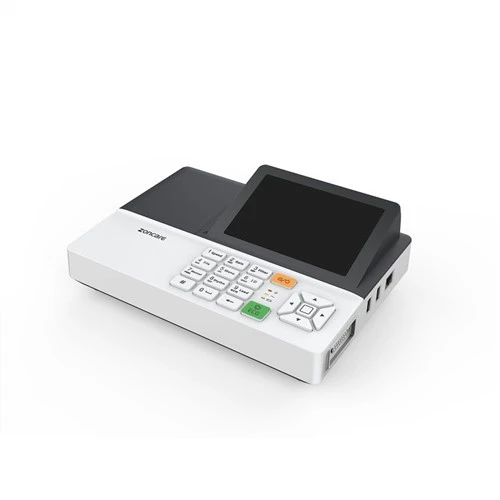
1. Recording Electrical Activity of the Heart
The primary function of a PC ECG device is to record the electrical activity of the heart. The heart generates electrical impulses that cause it to contract and pump blood throughout the body. These electrical signals can be detected by electrodes placed on the skin of the chest, arms, and legs. A basic PC ECG device is connected to these electrodes and is capable of capturing these electrical signals accurately.
The recorded electrical signals are then translated into a graphical representation known as an electrocardiogram. This graph shows the different phases of the cardiac cycle, including the depolarization (contraction) and repolarization (relaxation) of the atria and ventricles. By analyzing this graph, healthcare professionals can identify normal and abnormal heart rhythms, which is crucial for diagnosing various heart conditions.
2. Detecting Arrhythmias
One of the most important functions of a PC ECG device is the detection of arrhythmias. Arrhythmias are abnormal heart rhythms that can range from harmless palpitations to life – threatening conditions. A basic PC ECG device can continuously monitor the heart rhythm over a period of time, whether it’s a short – term recording during a doctor’s visit or a long – term ambulatory recording.
For short – term recordings, the device can quickly capture arrhythmias that occur during the monitoring session. For example, if a patient experiences occasional早搏 (premature beats) during the test, the PC ECG device will record these abnormal electrical impulses. On the other hand, long – term ambulatory monitoring can help detect arrhythmias that are intermittent and may not occur during a short doctor’s visit. By analyzing the recorded ECG data over 24 hours or more, doctors can better understand the frequency and severity of the arrhythmias, which is essential for determining the appropriate treatment.
3. Evaluating Heart Function
PC ECG devices also play a role in evaluating overall heart function. The shape and duration of the different waves on the electrocardiogram can provide valuable information about the health of the heart muscle and the conduction system. For instance, changes in the ST segment (the part of the ECG between the QRS complex and the T wave) can indicate myocardial ischemia (lack of blood supply to the heart muscle).
In addition, the QRS complex, which represents the depolarization of the ventricles, can be analyzed to assess the electrical conduction in the ventricles. Abnormalities in the width or shape of the QRS complex may suggest problems such as bundle branch block, which can affect the heart’s ability to pump blood efficiently. By evaluating these parameters, healthcare providers can gain insights into the heart’s function and make informed decisions about patient care.
4. Monitoring Cardiac Rehabilitation
For patients undergoing cardiac rehabilitation, a basic PC ECG device is an invaluable tool for monitoring progress. Cardiac rehabilitation programs are designed to help patients recover from heart – related events such as heart attacks or heart surgeries. During these programs, patients engage in physical exercise, which places stress on the heart.
A PC ECG device can be used to monitor the patient’s heart rhythm and electrical activity during exercise. This allows healthcare providers to ensure that the patient’s heart is responding appropriately to the exercise and that the intensity of the exercise is within a safe range. By continuously monitoring the ECG during rehabilitation, doctors can adjust the treatment plan as needed to promote a successful recovery.
5. Telemedicine and Remote Monitoring
In the era of digital health, PC ECG devices are increasingly being used for telemedicine and remote monitoring. These devices can be connected to a computer or a mobile device via a wired or wireless connection, allowing patients to transmit their ECG data to healthcare providers remotely.
For patients who live in rural or remote areas, or those who have difficulty traveling to a healthcare facility, remote monitoring using a PC ECG device can provide timely access to medical advice. Doctors can review the transmitted ECG data in real – time or at a convenient time, and diagnose any potential heart problems without the need for an in – person visit. This not only improves the efficiency of healthcare delivery but also enhances patient convenience.
6. Education and Training
Basic PC ECG devices also serve an important function in education and training. In medical schools and nursing programs, students need to learn how to interpret electrocardiograms. Using a PC ECG device, educators can provide real – time or recorded ECG data for students to analyze.
This hands – on approach allows students to develop their skills in identifying normal and abnormal heart rhythms, and to understand the clinical significance of the different aspects of the ECG. The ability to adjust parameters such as the speed and gain of the ECG recording on a PC – based device also provides a more interactive and effective learning experience for students.
7. Documentation and Storage of ECG Data
With a PC ECG device, all the recorded ECG data can be easily documented and stored in a digital format. This is a significant improvement compared to traditional paper – based ECG recordings, which are prone to damage and difficult to organize.
The digital storage of ECG data allows for easy retrieval and comparison of previous recordings. Healthcare providers can review a patient’s historical ECG data to track the progression of a heart condition or to evaluate the effectiveness of a treatment. In addition, the data can be securely shared among different healthcare providers, which is crucial for coordinated patient care.
Conclusion

As a supplier of PC ECG devices, I have seen firsthand the impact that these devices have on modern healthcare. From recording the electrical activity of the heart and detecting arrhythmias to evaluating heart function, monitoring cardiac rehabilitation, enabling telemedicine, facilitating education and training, and providing efficient data documentation and storage, the functions of a basic PC ECG device are far – reaching.
OB GYN Ultrasound If you are a healthcare provider, a medical institution, or an individual interested in purchasing a PC ECG device, I encourage you to contact me to discuss your specific needs. We offer a wide range of high – quality PC ECG devices that are reliable, accurate, and easy to use. I am happy to provide more information, answer any questions you may have, and assist you in choosing the right device for your requirements.
References
- Goldberger, A. L., Goldberger, E., & Shvilkin, A. (2006). Clinical Electrocardiography: A Simplified Approach. Saunders.
- Fisch, C., & Knoebel, S. B. (2000). Electrocardiography of Clinical Arrhythmias. Futura Publishing Company.
- Braunwald, E., Zipes, D. P., & Libby, P. (2007). Heart Disease: A Textbook of Cardiovascular Medicine. Saunders.
Wuhan Zoncare Bio-medical Electronics Co., Ltd.
Wuhan Zoncare Bio-medical Electronics Co., Ltd. is one of the leading pc ecg manufacturers and suppliers in China. We warmly welcome you to wholesale discount pc ecg from our factory. All customized products are with high quality and low price. Contact us for more cheap products.
Address: Zoncare building, No. 380, High-tech 2nd Road, Eastlake High-tech Development Zone, Wuhan, Hubei 430206 P. R. China.
E-mail: info@zoncare.com
WebSite: https://www.zoncareglobal.com/
