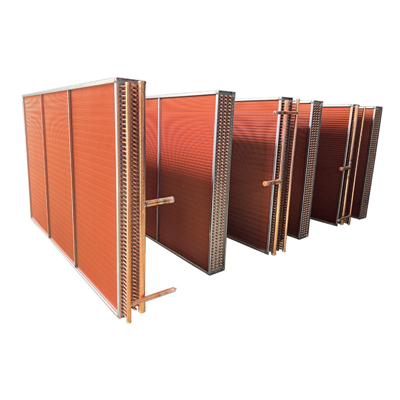
Hey there! I’m an air cooled condenser supplier, and today I wanna talk about how to insulate an air cooled condenser. It’s a crucial step that can save you a ton of money in the long run and keep your condenser running smoothly. So, let’s dive right in! Air Cooled Condenser
Why Insulate an Air Cooled Condenser?
First off, you might be wondering why you even need to insulate your air cooled condenser. Well, there are a few good reasons.
- Energy Efficiency: Insulation helps to reduce heat transfer. An air cooled condenser works by removing heat from the refrigerant. If the condenser pipes and components are losing heat to the surrounding environment, it has to work harder to cool the refrigerant. By adding insulation, you’re minimizing this heat loss, which means the condenser doesn’t have to use as much energy to do its job. This can lead to significant savings on your electricity bills over time.
- Prevent Condensation: In some cases, especially in humid environments, moisture can condense on the cold surfaces of the condenser. This not only adds to the wear and tear of the equipment but can also cause corrosion. Insulation acts as a barrier, preventing the outside air from coming into direct contact with the cold surfaces and thus reducing the chances of condensation.
- Noise Reduction: Insulation can also dampen the noise produced by the condenser. The fans and the flow of refrigerant can be quite noisy, and insulation helps to absorb some of that sound, making your workplace or home a quieter place.
Types of Insulation Materials
There are several types of insulation materials available, and each has its own pros and cons.
- Fiberglass Insulation: This is one of the most common types of insulation. It’s made from fine glass fibers and is relatively inexpensive. Fiberglass insulation comes in rolls or batts and is easy to install. It has good thermal resistance, which means it can effectively reduce heat transfer. However, it can be itchy to handle, so you’ll need to wear protective clothing and a mask when installing it.
- Polyurethane Foam Insulation: Polyurethane foam is a high – performance insulation material. It can be sprayed directly onto the surfaces of the condenser, which allows it to conform to any shape. It provides excellent thermal insulation and also acts as a good air barrier. The downside is that it’s more expensive than fiberglass, and the installation process requires special equipment and training.
- Rubber Insulation: Rubber insulation is flexible and easy to install. It’s resistant to moisture and can be used in areas where there’s a risk of water exposure. It also has good acoustic properties, which helps with noise reduction. However, it may not have the same level of thermal resistance as some other materials.
Steps to Insulate an Air Cooled Condenser
Now that you know why you should insulate your condenser and what materials you can use, let’s go through the steps of actually doing it.
Step 1: Prepare the Condenser
Before you start insulating, you need to make sure the condenser is clean and dry. Remove any dirt, debris, or rust from the surfaces. You can use a brush or a compressed air blower to clean hard – to – reach areas. Also, check for any leaks or damage in the condenser pipes and repair them before adding insulation.
Step 2: Measure and Cut the Insulation
Depending on the type of insulation you’re using, measure the length and width of the condenser pipes and components that you want to insulate. For fiberglass or rubber insulation, unroll the material and use a utility knife to cut it to the appropriate size. If you’re using polyurethane foam, follow the manufacturer’s instructions for mixing and applying the material.
Step 3: Install the Insulation
- For Fiberglass or Rubber Insulation: Wrap the insulation around the pipes and components, making sure there are no gaps or overlaps. Use adhesive tape or wire to secure the insulation in place. For joints and connections, you may need to cut the insulation at an angle and fit it together carefully.
- For Polyurethane Foam Insulation: Use a spray gun to apply the foam evenly onto the surfaces. Start from one end and work your way to the other, making sure to cover all areas. The foam will expand as it dries, so be careful not to over – spray.
Step 4: Seal the Insulation
After installing the insulation, it’s important to seal any seams or edges to prevent air from leaking in. You can use a special insulation sealant or duct tape for this purpose. Make sure the seal is tight and secure.
Step 5: Check for Proper Installation
Once the insulation is installed and sealed, take a closer look at the condenser. Check for any areas where the insulation may have come loose or where there are gaps. Make any necessary adjustments to ensure that the insulation is providing maximum coverage.
Maintenance of Insulated Air Cooled Condensers
Insulating your condenser is not a one – time job. You need to maintain the insulation to ensure it continues to work effectively.
- Regular Inspection: Check the insulation periodically for signs of damage, such as tears, holes, or water damage. If you notice any issues, repair or replace the damaged insulation as soon as possible.
- Keep it Clean: Just like the condenser itself, the insulation should be kept clean. Remove any dirt or debris that may accumulate on the surface of the insulation. This will help to maintain its thermal and acoustic properties.
Conclusion
Insulating an air cooled condenser is a smart move that can bring you many benefits, from energy savings to noise reduction. As an air cooled condenser supplier, I’ve seen firsthand how proper insulation can extend the life of the equipment and improve its performance.
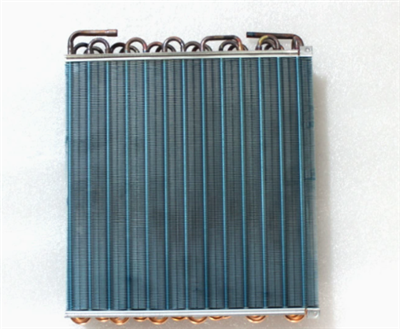
Finned Tube If you’re thinking about insulating your air cooled condenser or are in the market for a new one, I’d love to talk to you. Whether you have questions about insulation materials, installation, or just want to learn more about our air cooled condensers, don’t hesitate to reach out. We’re here to help you make the best decision for your needs.
References
- "Handbook of Air – Conditioning and Refrigeration" by William C. Turner
- "Insulation Materials: Properties and Performance" by John M. Carmody
Xiangshui Derkang Refrigeration Equipment Co., Ltd.
Address: No. 2, Xiaojian Town Entrepreneurship Park, Xiangshui County
E-mail: 505745223@qq.com
WebSite: https://www.xsderk.com/
