Optimizing the control system of a rotary kiln is a crucial task that can significantly enhance its performance, efficiency, and product quality. As a rotary kiln supplier, I have witnessed firsthand the impact of a well – optimized control system on the overall operation of these industrial workhorses. In this blog post, I will share some insights on how to optimize the control system of a rotary kiln. Rotary Kiln
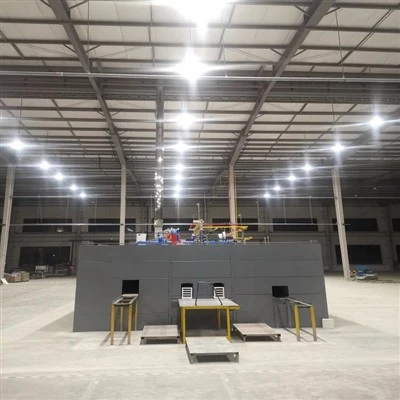
Understanding the Rotary Kiln Control System
Before delving into optimization strategies, it is essential to understand the basic components and functions of a rotary kiln control system. A typical rotary kiln control system consists of sensors, controllers, actuators, and a monitoring and control interface.
Sensors play a vital role in collecting data from various parts of the kiln, such as temperature, pressure, gas composition, and rotational speed. These data are then transmitted to the controllers, which process the information and make decisions based on pre – set algorithms. Actuators, such as burners, fans, and feeders, are responsible for implementing the control actions determined by the controllers. The monitoring and control interface allows operators to visualize the kiln’s operating conditions, adjust control parameters, and receive alarms in case of abnormal situations.
Key Optimization Strategies
Temperature Control
Temperature is one of the most critical parameters in a rotary kiln operation. Precise temperature control ensures proper chemical reactions, product quality, and energy efficiency. To optimize temperature control:
- Use High – Quality Temperature Sensors: Invest in accurate and reliable temperature sensors, such as thermocouples or infrared pyrometers. These sensors should be strategically placed at different locations along the kiln to provide a comprehensive view of the temperature distribution.
- Implement Advanced Control Algorithms: Traditional on – off control or proportional – integral – derivative (PID) control may not be sufficient for complex kiln processes. Advanced control algorithms, such as model – predictive control (MPC), can take into account multiple variables and predict future behavior, allowing for more precise temperature regulation.
- Monitor and Adjust Burner Operation: Burners are the primary source of heat in a rotary kiln. Regularly monitor burner performance, including flame shape, combustion efficiency, and fuel consumption. Adjust burner settings as needed to maintain the desired temperature profile.
Pressure Control
Proper pressure control is essential for maintaining stable operation and preventing air leakage in the rotary kiln. Here are some ways to optimize pressure control:
- Install Pressure Sensors: Place pressure sensors at key locations in the kiln, such as the inlet, outlet, and pre – heater, to monitor pressure changes accurately.
- Control Fan Speed: The fans in the kiln system are responsible for maintaining the required airflow and pressure. Use variable – frequency drives (VFDs) to adjust the fan speed based on the pressure readings, ensuring optimal pressure conditions.
- Seal the Kiln Properly: Air leakage can disrupt the pressure balance and reduce energy efficiency. Regularly inspect and maintain the kiln seals to prevent air infiltration.
Gas Composition Control
The gas composition in a rotary kiln affects both the combustion process and the quality of the final product. To optimize gas composition control:
- Use Gas Analyzers: Install gas analyzers to continuously monitor the concentration of key gases, such as oxygen, carbon monoxide, and nitrogen oxides. This information can be used to adjust the burner settings and ensure complete combustion.
- Control Air – Fuel Ratio: Maintaining the correct air – fuel ratio is crucial for efficient combustion. Use the data from the gas analyzers to adjust the fuel and air flow rates, minimizing emissions and maximizing energy efficiency.
- Manage Excess Air: Excess air in the kiln can lead to increased energy consumption and higher emissions. Optimize the excess air level based on the type of fuel and the kiln operating conditions.
Rotational Speed Control
The rotational speed of the rotary kiln affects the residence time of the material inside the kiln, which in turn influences the quality of the final product. To optimize rotational speed control:
- Understand Material Requirements: Different materials have different optimal residence times in the kiln. Determine the appropriate rotational speed based on the characteristics of the material being processed.
- Implement Variable – Speed Drives: Use variable – speed drives to adjust the rotational speed of the kiln as needed. This allows for more flexibility in the production process and can improve product quality.
- Monitor and Adjust Based on Process Conditions: Continuously monitor the kiln’s operating conditions, such as temperature and pressure, and adjust the rotational speed accordingly to ensure stable operation.
Integration of Automation and Digitalization
In today’s industrial landscape, automation and digitalization are key trends in rotary kiln control system optimization.
Automation
Automation can reduce human error, improve process consistency, and increase productivity. By automating routine tasks, such as burner control and feeder adjustment, operators can focus on more critical aspects of the kiln operation. For example, an automated system can adjust the burner fuel flow rate based on the temperature readings, ensuring a more stable and efficient combustion process.
Digitalization
Digitalization enables real – time monitoring, data analysis, and remote operation of the rotary kiln. By collecting and analyzing data from various sensors, operators can gain valuable insights into the kiln’s performance and identify areas for improvement. Additionally, digitalization allows for remote access to the control system, enabling experts to provide support and troubleshooting from anywhere in the world.
Training and Operator Competence
Even with the most advanced control system, the competence of the operators is crucial for optimizing the rotary kiln’s performance. Provide comprehensive training to the operators on the operation and maintenance of the control system. This includes training on how to read and interpret sensor data, adjust control parameters, and respond to abnormal situations. Encourage operators to share their experiences and insights, which can contribute to continuous improvement of the kiln operation.
Conclusion
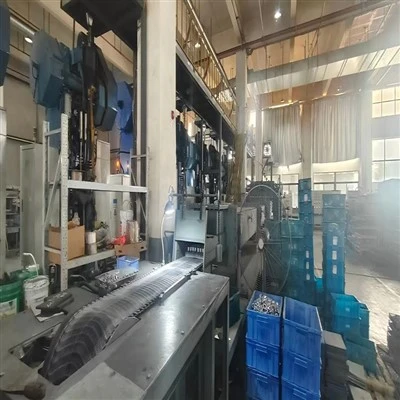
Optimizing the control system of a rotary kiln is a complex but rewarding task. By focusing on key parameters such as temperature, pressure, gas composition, and rotational speed, integrating automation and digitalization, and ensuring operator competence, significant improvements in performance, efficiency, and product quality can be achieved.
Ceramic Tunnel Kiln As a rotary kiln supplier, I am committed to providing our customers with high – quality kiln systems and comprehensive support for control system optimization. If you are interested in learning more about our rotary kiln products or need assistance in optimizing your existing control system, I encourage you to contact me for a detailed discussion. We can work together to develop a customized solution that meets your specific requirements and helps you achieve your production goals.
References
- Smith, J. (2019). "Advanced Control Strategies for Industrial Rotary Kilns." Journal of Industrial Engineering, 25(3), 123 – 135.
- Johnson, A. (2020). "Digitalization in Rotary Kiln Operations: Benefits and Challenges." International Journal of Manufacturing Technology, 30(2), 89 – 98.
- Brown, C. (2021). "Optimizing Temperature Control in Rotary Kilns." Thermal Engineering Review, 18(4), 67 – 75.
Henan Yaxin Kiln Co., Ltd.
Henan Yaxin Kiln Co., Ltd. is one of the most professional rotary kiln manufacturers and suppliers in China. With abundant experience, we warmly welcome you to buy high quality rotary kiln with the latest design from our factory. Good service and punctual delivery are available.
Address: Jixian Industrial Zone, Shangqiu City, Henan Province
E-mail: 1543563178@qq.com
WebSite: https://www.hnyxkiln.com/
