Locking a circuit breaker panel is a crucial safety measure that many homeowners and commercial property managers often overlook. As a supplier of circuit breaker panels, I’ve seen firsthand the importance of proper panel security. In this blog, I’ll share practical insights on how to effectively lock a circuit breaker panel, ensuring safety and compliance. Circuit Breaker Panel
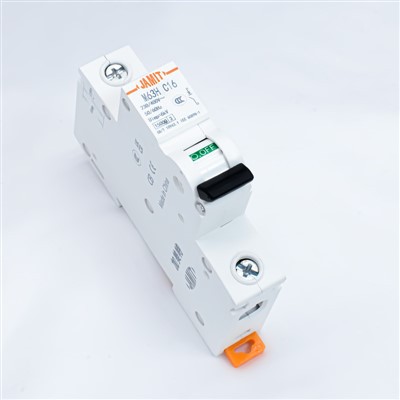
Why Lock a Circuit Breaker Panel?
Before delving into the how – to, it’s important to understand why locking a circuit breaker panel is necessary. First and foremost, safety is the primary concern. Circuit breaker panels house live electrical components. Unauthorized access can lead to accidental electrical shocks, especially for children or untrained individuals who may be curious and attempt to manipulate the breakers.
In a commercial setting, locking the panel can prevent unauthorized personnel from shutting off critical circuits, which could disrupt business operations, damage equipment, or even pose a risk to the safety of employees. For example, in a hospital, a sudden interruption to life – support systems due to unauthorized access to the circuit breaker panel could have catastrophic consequences.
Moreover, in some areas, there are electrical codes and regulations that require circuit breaker panels to be locked. Compliance with these codes not only avoids potential fines but also ensures that the electrical system is installed and maintained in a safe and legal manner.
Types of Locks for Circuit Breaker Panels
There are several types of locks available for circuit breaker panels, each with its own advantages and disadvantages.
Padlocks
Padlocks are one of the most common types of locks used for circuit breaker panels. They are relatively inexpensive and easy to install. There are different sizes and security levels of padlocks. A high – security padlock with a hardened steel shackle and a complex locking mechanism can provide a reliable way to secure the panel. However, padlocks are visible and can be a target for tampering or theft.
Deadbolts
Deadbolts offer a higher level of security compared to padlocks. They are installed directly into the panel door or frame, making them more difficult to remove. Deadbolts can be key – operated or combination – operated. Key – operated deadbolts require a specific key for access, while combination – operated deadbolts allow authorized users to enter a numerical code. One drawback of deadbolts is that they may require some modification to the panel for installation.
Electronic Locks
Electronic locks are becoming increasingly popular due to their convenience and enhanced security features. They can be programmed to grant access to specific individuals at certain times. For example, you can set up an electronic lock to only allow maintenance personnel access during business hours. Electronic locks can also be integrated with other security systems, such as access control systems or alarms. However, they are generally more expensive than padlocks and deadbolts, and they require a power source to operate.
Step – by – Step Guide to Locking a Circuit Breaker Panel
Step 1: Choose the Right Lock
As mentioned earlier, the type of lock you choose depends on your specific needs and budget. If you’re concerned about cost and ease of installation, a padlock might be a good choice. If you need a higher level of security and don’t mind some installation work, a deadbolt or electronic lock could be more suitable.
Step 2: Prepare the Panel
Before installing the lock, make sure the panel is clean and free of any debris. Check the panel door for proper alignment and make sure it closes smoothly. If the panel door doesn’t close properly, the lock may not work effectively.
Step 3: Install the Lock
- Padlock Installation: Most circuit breaker panels have a hasp or a loop where you can attach a padlock. Simply place the shackle of the padlock through the hasp and lock it.
- Deadbolt Installation: If you’re installing a deadbolt, you’ll need to drill holes in the panel door and frame according to the manufacturer’s instructions. Insert the deadbolt into the holes and secure it with the provided screws.
- Electronic Lock Installation: Electronic locks usually come with detailed installation instructions. You may need to connect the lock to a power source and program it with the desired access codes or user permissions.
Step 4: Test the Lock
Once the lock is installed, test it to make sure it works properly. Try opening and closing the panel with the lock engaged. Make sure the lock secures the panel door firmly and that unauthorized access is prevented.
Step 5: Provide Access
If you’re using a key – operated lock, make sure to distribute the keys to authorized personnel only. In the case of a combination – operated lock or an electronic lock, provide the access codes or user credentials to the appropriate individuals. Keep a record of who has access to the panel and when the access was granted.
Maintenance and Inspection
Locking the circuit breaker panel is not a one – time task. Regular maintenance and inspection are necessary to ensure the lock continues to function properly.
- Check the Lock Regularly: Inspect the lock for any signs of damage, wear, or corrosion. If the lock is damaged, replace it immediately to maintain the security of the panel.
- Lubricate Moving Parts: For locks with moving parts, such as padlocks and deadbolts, lubricate them regularly to prevent jamming. Use a silicone – based lubricant to avoid attracting dust and debris.
- Update Access Codes: If you’re using an electronic lock or a combination – operated lock, update the access codes periodically to enhance security.
Conclusion
Locking a circuit breaker panel is an essential step in ensuring the safety and security of your electrical system. By choosing the right lock, following the proper installation steps, and conducting regular maintenance, you can protect your property and the people within it from the risks associated with unauthorized access to the circuit breaker panel.

As a circuit breaker panel supplier, I’m committed to providing high – quality products and valuable advice to our customers. We offer a wide range of circuit breaker panels and locking solutions to meet your specific needs. Whether you’re a homeowner looking to enhance the safety of your family or a business owner concerned about the security of your operations, we can help you find the right products and solutions.
Residual Current Circuit Breaker If you’re interested in learning more about our circuit breaker panels and locking solutions, or if you have any questions about locking a circuit breaker panel, feel free to reach out to us. We’re here to assist you in making the best decisions for your electrical system.
References
- National Electrical Code (NEC), latest edition
- Underwriters Laboratories (UL) standards for electrical equipment
- Manufacturer’s installation and user manuals for circuit breaker panels and locks
Tianjin JMT Electric Co., Ltd.
Tianjin JMT Electric Co., Ltd. is one of the most reliable circuit breaker panel manufacturers and suppliers in China, also supports customized service. Please feel free to buy advanced circuit breaker panel made in China here from our factory.
Address: East Side of Road No. 6, Jinghai Economic Development Zone, Tianjin
E-mail: wangbing@tj-jamit.com
WebSite: https://www.jamit-electric.com/
