As a supplier of cryogenic pressure vessels, I’ve witnessed firsthand the critical importance of preventing failures in these specialized containers. Cryogenic pressure vessels are designed to store and transport extremely cold liquids and gases, such as liquid nitrogen, oxygen, and argon, at very low temperatures and high pressures. Failures in these vessels can have serious consequences, including leaks, explosions, and environmental hazards. In this blog post, I’ll share some key strategies for preventing failures in cryogenic pressure vessels based on my experience in the industry. Cryogenic Pressure Vessel

Understanding the Risks
Before we delve into prevention strategies, it’s essential to understand the potential risks associated with cryogenic pressure vessels. These vessels operate under extreme conditions, with temperatures as low as -196°C (-321°F) and pressures that can exceed several hundred pounds per square inch (psi). The combination of low temperatures and high pressures can put significant stress on the vessel’s materials and components, increasing the risk of failure.
Some common causes of cryogenic pressure vessel failures include:
- Material degradation: Over time, the materials used in cryogenic pressure vessels can degrade due to factors such as corrosion, fatigue, and embrittlement. This can weaken the vessel’s structure and increase the risk of leaks or ruptures.
- Improper installation and maintenance: Incorrect installation or inadequate maintenance can also lead to failures in cryogenic pressure vessels. For example, if the vessel is not properly supported or if the valves and fittings are not tightened correctly, it can cause leaks or other problems.
- Overpressure and overfilling: Cryogenic pressure vessels are designed to operate within specific pressure and temperature limits. If the vessel is overpressurized or overfilled, it can cause the vessel to rupture or explode.
- External factors: External factors such as earthquakes, fires, and collisions can also damage cryogenic pressure vessels and cause failures.
Prevention Strategies
To prevent failures in cryogenic pressure vessels, it’s important to implement a comprehensive risk management program that includes the following strategies:
1. Design and Manufacturing
- Select high-quality materials: When designing and manufacturing cryogenic pressure vessels, it’s crucial to select materials that are suitable for the extreme conditions of cryogenic service. These materials should have excellent mechanical properties, such as high strength, toughness, and resistance to corrosion and embrittlement.
- Follow industry standards and codes: Cryogenic pressure vessels must be designed, manufactured, and tested in accordance with industry standards and codes, such as the American Society of Mechanical Engineers (ASME) Boiler and Pressure Vessel Code. These standards and codes provide guidelines for the design, construction, and inspection of pressure vessels to ensure their safety and reliability.
- Perform thorough testing and inspection: Before a cryogenic pressure vessel is put into service, it must undergo thorough testing and inspection to ensure that it meets the required standards and specifications. This includes hydrostatic testing, non-destructive testing, and visual inspection to detect any defects or flaws in the vessel’s materials and components.
2. Installation and Commissioning
- Ensure proper installation: Cryogenic pressure vessels must be installed by qualified personnel who have the necessary knowledge and experience to install the vessel correctly. This includes ensuring that the vessel is properly supported, aligned, and connected to the piping and valves.
- Perform commissioning tests: After the cryogenic pressure vessel is installed, it must undergo commissioning tests to ensure that it is operating properly. This includes leak testing, pressure testing, and functional testing to verify that the vessel’s valves, fittings, and instrumentation are working correctly.
- Provide operator training: Operators of cryogenic pressure vessels must be trained on the proper operation and maintenance of the vessel. This includes training on the vessel’s safety features, operating procedures, and emergency response procedures.
3. Maintenance and Inspection
- Develop a maintenance plan: A comprehensive maintenance plan should be developed for each cryogenic pressure vessel to ensure that it is properly maintained and inspected on a regular basis. This includes scheduled maintenance tasks such as lubrication, valve testing, and pressure relief valve inspection.
- Perform regular inspections: Cryogenic pressure vessels should be inspected regularly to detect any signs of wear, damage, or degradation. This includes visual inspections, non-destructive testing, and pressure testing to ensure that the vessel is in good condition and operating within the required limits.
- Keep accurate records: Accurate records should be kept of all maintenance and inspection activities performed on the cryogenic pressure vessel. This includes records of the vessel’s installation, commissioning, maintenance, and inspection history, as well as any repairs or modifications that have been made to the vessel.
4. Risk Assessment and Management
- Conduct a risk assessment: A risk assessment should be conducted for each cryogenic pressure vessel to identify the potential hazards and risks associated with the vessel’s operation. This includes assessing the likelihood and consequences of potential failures, as well as the effectiveness of the existing risk control measures.
- Implement risk control measures: Based on the results of the risk assessment, appropriate risk control measures should be implemented to reduce the likelihood and consequences of potential failures. This includes measures such as installing safety devices, implementing emergency response procedures, and providing operator training.
- Monitor and review the risk management program: The risk management program for cryogenic pressure vessels should be monitored and reviewed on a regular basis to ensure that it remains effective and up-to-date. This includes reviewing the risk assessment results, evaluating the effectiveness of the risk control measures, and making any necessary adjustments to the program.
Conclusion
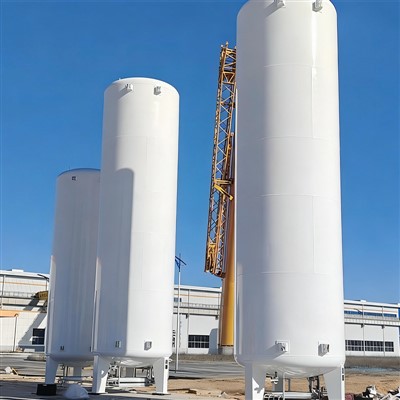
Preventing failures in cryogenic pressure vessels is essential for ensuring the safety and reliability of these specialized containers. By implementing a comprehensive risk management program that includes design and manufacturing, installation and commissioning, maintenance and inspection, and risk assessment and management, you can reduce the likelihood and consequences of potential failures and ensure the safe operation of your cryogenic pressure vessels.
Cryogenic Pressure Vessel If you’re in the market for cryogenic pressure vessels, I encourage you to contact us to discuss your specific needs. Our team of experts has extensive experience in the design, manufacturing, and installation of cryogenic pressure vessels, and we can provide you with high-quality products and services that meet your requirements. We’re committed to providing our customers with the best possible solutions for their cryogenic storage and transportation needs, and we look forward to working with you.
References
- American Society of Mechanical Engineers (ASME). Boiler and Pressure Vessel Code.
- International Institute of Ammonia Refrigeration (IIAR). Safety Code for Mechanical Refrigeration.
- National Fire Protection Association (NFPA). Standard for the Storage and Handling of Liquefied Natural Gas (LNG).
Tianjin Baiyan Technology Co., Ltd.
With abundant experience, we are one of the most professional cryogenic pressure vessel manufacturers and suppliers in China. We warmly welcome you to buy customized cryogenic pressure vessel made in China here from our factory. If you have any enquiry about pricelist and quotation, please feel free to email us.
Address: No. 36, Jixian Road, Shuangqiaohe Development Zone, Jinnan District, Tianjin, China
E-mail: sales@tjbaiyan.com
WebSite: https://www.baiyan-tech.com/
