Hey there! I’m a supplier of DC SPDs (Direct Current Surge Protective Devices), and today I wanna chat about a common question: Can multiple DC SPDs be used in series or parallel? DC SPD

Let’s start with the basics. A DC SPD is like a superhero for your electrical systems. It’s designed to protect against voltage surges in DC circuits. These surges can come from all sorts of things, like lightning strikes, power grid fluctuations, or even the switching of large electrical loads. And when these surges hit, they can cause serious damage to your equipment, leading to costly repairs and downtime. That’s where our DC SPDs come in to save the day.
Now, let’s dig into the series connection. Using multiple DC SPDs in series means connecting them one after another in the circuit. The idea behind this is to get a higher level of protection. When a surge comes in, the first SPD takes the initial hit and reduces the surge voltage to a certain level. Then, the second SPD further reduces it, and so on.
One of the big advantages of using DC SPDs in series is that it can provide a more comprehensive protection. Each SPD in the series can be designed to handle different levels of surges. For example, the first SPD might be a coarse protection device that can handle large, high – energy surges. The second one can be a more refined device that takes care of the remaining smaller surges. This way, you can have a multi – stage protection system that’s really effective.
But there are also some challenges. One of the main issues is the coordination between the SPDs. If the SPDs are not properly coordinated, it can lead to problems. For instance, if the first SPD doesn’t operate correctly or if it fails to reduce the surge voltage enough, the second SPD might be overwhelmed. Also, the overall impedance of the series – connected SPDs can increase, which might affect the normal operation of the circuit.
Now, let’s talk about parallel connection. When you connect multiple DC SPDs in parallel, you’re essentially providing multiple paths for the surge current to flow. This can increase the current – handling capacity of the protection system. If one SPD reaches its maximum current – handling capacity, the others can still take on the remaining surge current.
Parallel connection is great for applications where you need to handle large surge currents. For example, in a big DC power system with a lot of electrical equipment, a single SPD might not be able to handle all the surge current. By using multiple SPDs in parallel, you can distribute the load and ensure that the system is protected.
However, parallel connection also has its drawbacks. One of the main problems is the current sharing among the SPDs. If the SPDs have different characteristics, such as different impedance or response times, the current might not be evenly distributed among them. This can lead to some SPDs being overloaded while others are under – utilized.
So, which one should you choose? Well, it really depends on your specific application. If you need a high – level, multi – stage protection, series connection might be the way to go. But if you’re dealing with large surge currents and need to increase the current – handling capacity, parallel connection could be a better option.
As a DC SPD supplier, I’ve seen a lot of different applications. For example, in solar power systems, which are mostly DC systems, we often see a combination of series and parallel connections. The solar panels are exposed to the elements, so they’re at a high risk of being hit by lightning. A series of SPDs can be used to protect the panels from different levels of surges. And at the same time, parallel – connected SPDs can be used at the inverter or other high – current points in the system to handle large surge currents.
In data centers, where the DC power supply is critical for the operation of servers and other equipment, a well – designed protection system with a combination of series and parallel – connected SPDs is often used. This ensures that the equipment is protected from all kinds of surges, whether they’re small or large.
If you’re in the market for DC SPDs and you’re not sure whether to use series or parallel connection, don’t worry. Our team of experts is here to help. We can analyze your specific needs, look at your electrical system, and recommend the best solution for you. We’ve got a wide range of DC SPDs with different specifications and characteristics, so we can find the perfect fit for your application.
Whether you’re working on a small DC project or a large – scale industrial application, we’ve got the products and the knowledge to support you. Our DC SPDs are made with high – quality materials and are rigorously tested to ensure their performance and reliability.
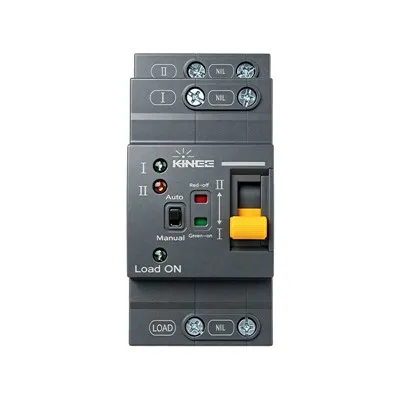
So, if you’re interested in learning more about our DC SPDs or if you want to discuss your protection needs, don’t hesitate to reach out. We’re always happy to have a chat and help you find the best solution for your electrical system.
Din-Rail Terminal References:
- "Surge Protection Devices: Principles and Applications" by some well – known electrical engineering experts.
- Industry standards and guidelines related to DC surge protection.
Wenzhou Kinee Electrical Co., Ltd.
We are one of the most professional dc spd manufacturers and suppliers in China, featured by quality products and good price. Please rest assured to buy advanced dc spd made in China here from our factory. We also accept customized orders.
Address: Unit 1, Building 31, Wenzhou Wenbo Science and Technology Industrial Park, No. 706 Yanyun Road, Lingkun Street, Oujiangkou Industrial Cluster Area, Wenzhou, Zhejiang Province
E-mail: sandyma@kinee.net
WebSite: https://www.kinee.net/
